World Wildlife Day 2026 is the global observance held each year on 3 March, dedicated to celebrating and raising awareness about wild fauna and flora across the planet. The day honours the adoption of the Convention on International Trade in Endangered Species of Wild Fauna and Flora (CITES), first signed on 3 March 1973, which seeks to ensure that international trade in wild animals and plants does not threaten their survival.
Brief History of World Wildlife Day and Why It Is Observed?
In 2013, during its 68th session, the United Nations General Assembly (UNGA) proclaimed 3 March as World Wildlife Day. The decision recognized the intrinsic value of wildlife and reiterated the vital ecological, social, scientific, economic, and cultural contributions of wild fauna and flora to human well-being and sustainable development.
Since its first celebration (in 2014), World Wildlife Day has grown from being a commemoration tied to CITES to a broad global movement. Each year adopts a unique theme, allowing focused attention on different aspects of wildlife and conservation.
Theme for 2026
The official theme for World Wildlife Day 2026 is “Medicinal and Aromatic Plants: Conserving Health, Heritage and Livelihoods.”
Why World Wildlife Day 2026 Matters — Globally and Locally
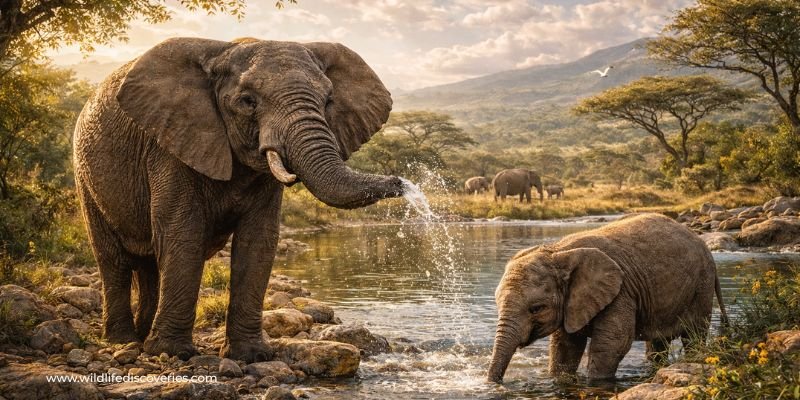
Globally, world wildlife day 2026 serves as a reminder of biodiversity’s critical role for planetary health, human well-being and sustainable development. Wild species — both animals and plants — underpin ecosystem functions, offer genetic diversity, provide medicinal and livelihood resources, and sustain cultural heritage.
Locally — for biodiverse nations like India — world wildlife day 2026 carries special relevance. With its rich variety of ecosystems and species, protecting wildlife means safeguarding a valuable portion of global biodiversity. Moreover, focusing on wild medicinal and aromatic plants resonates with traditions, livelihoods and sustainable use of natural resources in many Indian communities.
Explanation of the Theme’s Core Message
The theme “Medicinal and Aromatic Plants: Conserving Health, Heritage and Livelihoods” emphasizes that wild plants are not just part of natural ecosystems — they are fundamental to human health, heritage and sustainable livelihoods. These plants are sources of traditional medicine, aromatic oils, herbal products, cultural practices, and local livelihoods. By drawing attention to them, world wildlife day 2026 urges responsible use, sustainable harvesting, and conservation of their natural habitats.
Key Species, Habitats or Issues Highlighted in 2026
Under this theme, the spotlight shifts to medicinal and aromatic plants (MAPs) — wild plant species used for remedies, herbs, spices, essential oils, perfumes, traditional medicines, and herbal products. Many of these MAPs are under pressure due to overharvesting, habitat destruction, unsustainable trade, and environmental degradation. The habitat types of concern include natural forests, grasslands, wetlands and other ecosystems where these plants grow. The theme therefore highlights both plant biodiversity and habitat conservation.
How the Theme Links to Wider Biodiversity Goals
The focus on MAPs links closely with global biodiversity and sustainable development goals:
It advances the aims of the Convention on Biological Diversity (CBD) by promoting conservation and sustainable use of biological diversity.
It supports environmental targets under the Sustainable Development Goals (SDGs), notably SDG 15 (Life on Land) — protecting, restoring and promoting sustainable ecosystems — and SDG 12 (Responsible Consumption and Production) — encouraging sustainable harvesting and trade practices.
It underscores the connection between biodiversity, human health and livelihoods — reinforcing the idea that conserving wildlife (including plants) is essential for long-term sustainability.
Global and Regional Status of Wildlife in 2026
Current Trends: Species at Risk, Recovery Success Stories, Habitat Loss
As of 2026, global biodiversity continues to face serious threats. Many species remain at risk of extinction due to habitat loss, overexploitation, climate change, pollution and unsustainable trade. Wild plants — including medicinal and aromatic species — are no exception. Overharvesting and habitat degradation have placed many in vulnerable or threatened categories.
At the same time, there have been some recovery success stories: in certain regions, renewed protection efforts, habitat restoration and stricter regulation of trade have allowed species — both fauna and flora — to rebound. Reforestation, protected area expansion, and community-based conservation programmes have helped. However, overall, biodiversity loss remains accelerated globally, partly due to increasing human pressures and climate change.
Regional Hotspots and Examples (Forests, Marine, Grasslands)
Tropical and temperate forests — many medicinal and aromatic plants naturally occur in forest ecosystems; deforestation and forest fragmentation pose grave risks.
Grasslands and wetlands — these ecosystems often harbor unique plant diversity (herbal, aromatic species, rare herbs, wetland medicinal plants), but are threatened by land-use change, drainage, agriculture, and development.
In marine and coastal areas, though world wildlife day 2026 focuses on plants, many coastal ecosystems still support plant species (seagrasses, mangroves) essential for coastal biodiversity, water purification, and climate resilience.
These hotspots — forests, grasslands, wetlands, coastal zones — are key for plant and animal biodiversity. Their degradation undermines ecosystem resilience globally.
Main Drivers of Wildlife Decline: Climate Change, Land Use, Illegal Trade
The principal drivers affecting wildlife (both flora and fauna) include:
Habitat loss and land-use change — deforestation, agricultural expansion, urbanization; destruction of natural habitats.
Overharvesting and unsustainable trade — demand for medicinal plants, wild herbs and aromatic plants leads to unsustainable collection; illegal or unregulated trade exacerbates pressure.
Climate change — altering temperature, rainfall, seasonal patterns, affecting growth, reproduction and survival of wild species.
Pollution, invasive species, fragmentation — further stress on plant and animal communities.
These threats compound over time, pushing many species closer to extinction, and undermining ecosystem services essential for nature and people alike.
Major Events, Campaigns and Celebrations
UN and Government-led Events
On 3 March 2026, global institutions — including the CITES Secretariat and other United Nations bodies — will coordinate activities to mark world wildlife day 2026. The themes will be promoted through declarations, awareness events, policy dialogues, international summits, and information campaigns. Many governments will encourage national-level participation in conservation activities, regulation enforcement, and habitat protection — especially focused on medicinal and aromatic plants.
Civil Society and Community Activities
Non-governmental organisations, community groups, schools and local communities often celebrate world wildlife day 2026 by organizing educational sessions, nature walks, plantation drives, especially planting native medicinal or aromatic plants, clean-up campaigns, tree-planting drives, awareness seminars, and workshops on sustainable harvesting. In regions rich in medicinal plant heritage, traditional healers and local communities may hold workshops, exhibitions or cultural events to emphasize the value of MAPs.
Digital and Media Campaigns
Digital platforms and social media play a strong role. Campaigns with hashtags (e.g., #WorldWildlifeDay2026, #MedicinalAndAromaticPlants, #ConserveNature, #BiodiversityMatters) help raise global awareness. Multimedia tools — videos, infographics, online quizzes — are used to educate audiences about biodiversity, threats to wildlife, sustainable practices, and the importance of conserving medicinal plants. Educational institutions, NGOs and media houses may produce special features, documentaries or awareness content around 3 March to engage younger audiences and urban populations.
Policy, Conservation Actions and Partnerships
International Agreements and Recent Policy Updates
The foundation for world wildlife day 2026 rests on international treaties such as CITES — which regulates trade in endangered species — and for plant species, proper regulation of trade in medicinal and aromatic plants is critical. The day reinforces global commitments under the CBD and national legal frameworks to protect biodiversity, regulate harvesting and trade, and encourage sustainable use.
In 2026, renewed emphasis is likely on policies for sustainable harvesting, trade regulation, habitat protection, community-based conservation, and integration of wild plant conservation into national biodiversity strategies.
Successful Conservation Initiatives and Case Studies
Around the world and in biodiversity-rich countries, there have been efforts to conserve wild plants and restore habitats. Some conservation projects focus on rewilding degraded habitats, restoring forest cover, promoting sustainable harvesting practices, establishing community reserves, and integrating traditional knowledge with scientific conservation.
In many areas, community-driven conservation — especially involving indigenous peoples and traditional communities — has succeeded in sustainably protecting medicinal plants, while securing livelihoods and preserving cultural heritage. Protected areas, buffer zones, and habitat corridors have ensured safe habitats for both fauna and flora.
Role of NGOs, Research Institutions, Private Sector and Indigenous Communities
NGOs: raise awareness, organize community programmes, run conservation and habitat restoration projects, conduct training on sustainable harvesting.
Research Institutions: study medicinal and aromatic plants, document biodiversity, assess threats, help formulate conservation plans.
Private Sector: can contribute by sourcing herbal and aromatic products responsibly, using sustainably harvested materials, and supporting conservation funding.
Indigenous and Local Communities: often hold traditional knowledge about medicinal plants and forest management. Their involvement is critical for sustainable use, conservation, and maintaining heritage — especially under the 2026 theme.
What Individuals and Organizations Can Do Next
Practical Actions for Citizens
Participate in local tree-planting drives, especially of native medicinal and aromatic plants.
Choose products that use sustainably sourced herbs and plants; avoid items linked to illegal or unsustainable harvesting.
Support local herbal producers and traditional knowledge systems that follow sustainable practices.
Spread awareness — among family, friends, community — about the importance of plant biodiversity, conservation, and sustainable use.
Report any suspicious trade or harvesting of wild plants to local authorities; help prevent illegal collection or trade.
How Schools, Businesses and Local Governments Can Participate
Schools can arrange educational programmes — seminars, nature walks, exhibitions — around world wildlife day 2026 to teach students about biodiversity, medicinal plants, and conservation.
Businesses in herbal, cosmetic or wellness sectors can commit to sustainable sourcing, transparent supply chains and support conservation initiatives.
Local governments can promote community forestry, conservation of wild plant habitats, integrate medicinal plant conservation into environmental policies, and support community conservation programmes.
Organisations can collaborate for habitat restoration, community outreach, sustainable livelihood projects involving cultivation and protection of medicinal and aromatic plants.
Resources for Further Learning and Ways to Track Impact
Citizens, educators, NGOs and governments can use resources offered through global platforms, conservation-oriented institutions, research bodies and local environmental agencies. Activities such as biodiversity mapping, citizen science (documenting medicinal plants), monitoring local habitats, sustainable harvesting records, and periodic impact assessments can help track progress after world wildlife day 2026.
While staying informed about the latest themes and breakthroughs is the first step, real change happens through collective action. Awareness without effort cannot protect our fragile ecosystems. To move beyond just learning and start making a difference, check out our guide on how to act now to save nature and discover practical ways you can contribute to wildlife conservation in your daily life.
Conclusion
World Wildlife Day 2026 is an opportunity to reflect on the intricate links between biodiversity, human health, heritage and livelihoods — especially through the lens of wild medicinal and aromatic plants. The theme reminds that the silent world of herbs, shrubs and wild flora holds immense value for our planet, cultures, economies and well-being.
By recognising the importance of these plants and committing to their conservation — through awareness, sustainable practices, policy support and community participation — it is possible to protect biodiversity, support livelihoods, preserve heritage and ensure a healthier planet.
World wildlife day 2026 calls for global concern and local action; through collective effort, wildlife — both flora and fauna — can be safeguarded for present and future generations.