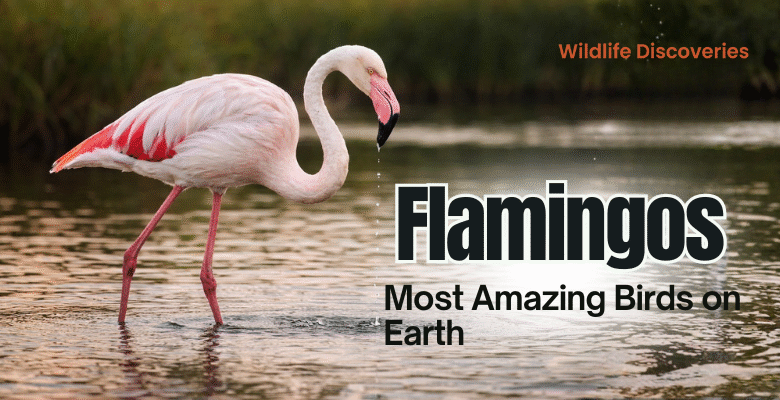
Imagine standing on the edge of a vast African lake as thousands of bright pink feathers flutter in the wind. This breathtaking view is often called a “sea of pink” because of how these birds gather in massive groups. Flamingos are widely considered the most amazing birds on earth due to their unique looks and social nature. They turn ordinary landscapes into living masterpieces of color and movement. These birds are not just pretty to look at; they are masters of survival in some of the harshest places on the planet.
Flamingos belong to a very old group of birds that have lived on our planet for millions of years. Their long necks and stilt-like legs make them stand out from any other bird species found in nature. Many people travel across the world just to catch a glimpse of these famous pink icons in their natural habitat. Because they live in such large colonies, they create a sense of wonder that is hard to find elsewhere.
Flamingos are famous for their vibrant pink plumage.
They are found in parts of Africa, Asia, Europe, and the Americas.
These birds are highly social and prefer living in large groups.
The sight of a flamingo colony is a true natural spectacle.
Why Are They Pink?
The most striking feature of the most amazing birds on earth is undoubtedly their bright pink color. Interestingly, flamingos are not born pink; they are actually born with soft gray feathers. The pink color comes entirely from their diet, which is rich in special pigments called carotenoids. These are the same types of pigments that make carrots orange or tomatoes red. Without this specific diet, a flamingo would eventually lose its bright hue and turn pale or white.
The Secret in Their Food
Flamingos spend most of their day filtering small organisms out of the water using their specialized beaks. They eat a lot of brine shrimp and blue-green algae, which are packed with those essential pink pigments. The bird’s liver breaks down these pigments and sends them to the feathers and skin. This process shows how closely connected these birds are to the environment they live in.
How Their Color Changes Over Time
As a flamingo grows from a chick into an adult, the color of its feathers slowly transforms. It takes about two to three years for a young flamingo to gain its full, bright pink adult plumage. A very bright pink flamingo is usually a sign of a healthy and well-fed bird. This color is also very important during the mating season to attract a partner.
| Life Stage | Feather Color | Reason |
| Chick | Gray or White | Lack of pigment buildup |
| Juvenile | Pale Pink/Gray | Starting to eat adult food |
| Adult | Bright Pink/Red | High concentration of carotenoids |
The “Superpowers” of Flamingos
Flamingos possess physical abilities that seem almost impossible to other living creatures, making them the most amazing birds on earth. They thrive in environments that would be deadly to most animals, such as highly salty or alkaline lakes. Their bodies are built to handle extreme heat and chemicals that would burn human skin. These “superpowers” allow them to live in peace without many predators or competitors for their food.
Standing on One Leg: The Great Mystery
One of the most famous sights is a flamingo standing perfectly still on just one thin leg for hours. Scientists believe they do this to conserve body heat, as tucking one leg into their feathers keeps them warm. It also requires very little muscle effort, allowing the bird to actually sleep while standing up. This unique balance is a marvel of biological engineering and gravity.
Drinking Boiling Water and Surviving Salt Lakes
Some flamingo species live near volcanic springs where the water can be close to the boiling point. They are able to drink this near-boiling water to stay hydrated while other animals stay far away. Their legs are also covered in tough, scaly skin that protects them from being burned by caustic salt water. This incredible toughness is why they are often called the most amazing birds on earth.
Standing on one leg helps regulate body temperature.
Flamingos can drink water from toxic, salty lakes.
Their specialized beaks filter food while they hold their heads upside down.
They can fly at high altitudes to travel between different lakes.
Life in the Colony
The social life of a flamingo is busy, loud, and incredibly organized within their massive colonies. Being part of a group provides them with safety, as there are many eyes looking out for danger. These colonies can sometimes consist of over a million birds in a single location, creating a noisy and vibrant community. This social structure is a key reason why they are the most amazing birds on earth.
Strength in Numbers: Why They Stay Together
Living in a large group makes it much harder for predators like hyenas or eagles to pick out a single target. Flamingos do everything together, from feeding and flying to resting and protecting their young. This collective behavior ensures that the majority of the colony stays safe throughout the year. The constant chatter between the birds helps them keep track of their family members.
The Beautiful “Dance” of the Flamingo
Before the breeding season begins, the colony performs a synchronized “dance” to find their mates. Thousands of birds will march together, stretching their necks and flapping their wings in perfect rhythm. This courtship ritual is one of the most organized and beautiful displays in the entire animal kingdom. It ensures that the birds are healthy and ready to start a new generation.
| Behavior | Description | Purpose |
| Head Flagging | Stretching the neck and turning the head | Attracting a mate |
| Wing Saluting | Briefly showing the dark feathers under wings | Communication |
| Marching | A large group walking in one direction | Group synchronization |
Raising a Family
The process of bringing new life into the colony is a dedicated team effort between parents. Flamingos are known for being very attentive parents who work together to ensure their chick survives. Their nesting grounds are often in the middle of shallow water to keep land-based predators away from the eggs. This careful planning helps maintain the population of the most amazing birds on earth.
Building Mud Nests
Instead of using sticks or grass, flamingos build tall mounds out of wet mud. These mud nests can be up to 12 inches high and serve as a dry platform for the single egg they lay. The height of the nest protects the egg from flooding if the water level in the lake rises suddenly. Both the mother and the father take turns sitting on the egg to keep it warm.
How Flamingo Parents Feed Their Young
Flamingos produce a special substance called “crop milk” in their digestive tracts to feed their chicks. This milk is bright red and filled with proteins and fats that help the baby grow very quickly. Interestingly, the parents often turn pale or white during this time because they give all their pink pigment to their baby. This sacrifice shows the deep bond between the parent and the offspring.
Nests are made of protective mud mounds.
Both parents share the duty of incubating the egg.
Chicks are fed with nutrient-rich crop milk.
The young birds stay in a “crèche” or nursery for safety.
Protecting the Spectacle
Human activity, such as mining for salt or soda ash, can disrupt the quiet environment these birds need to survive. If the colony is disturbed too often, they may stop breeding or leave the area entirely. To save the wildlife in these regions, we must take action against the destruction of these delicate ecosystems. Conservation efforts are now focused on protecting wetland habitats so that future generations can witness the pink parade. Every effort made to save their home helps keep the balance of nature intact.
Why We Must Keep Their Homes Safe
Human activity, such as mining for salt or soda ash, can disrupt the quiet environment these birds need. If the colony is disturbed too often, they may stop breeding or leave the area entirely. Conservation efforts are now focused on protecting wetland habitats so that future generations can witness the pink parade. Every effort made to save their home helps keep the balance of nature intact.
Pollution can kill the brine shrimp they eat.
Changing water levels affect their ability to build nests.
Conservation groups are working to restore natural lakes.
Eco-tourism helps raise money to protect flamingo habitats.
Conclusion
Flamingos truly deserve the title of the most amazing birds on earth because of their resilience and beauty. From their strange eating habits to their complex social lives, every part of their existence is fascinating. They remind us that nature is full of surprises and that even the harshest places can be full of life. Witnessing a flamingo colony is an experience that stays with a person forever.
As we look toward the future, it is our responsibility to ensure these birds continue to thrive. Their presence in our world adds a splash of color and a sense of wonder that cannot be replaced. By respecting their environment and supporting conservation, we can keep the sea of pink alive for centuries to come. These birds are a true testament to the beauty and mystery of the natural world.