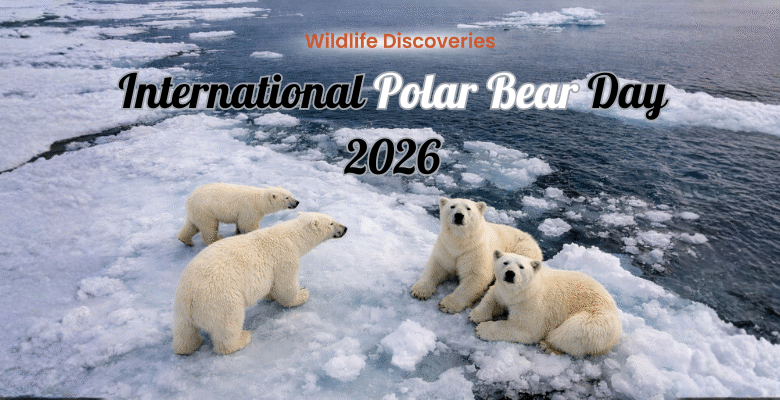
The arrival of International Polar Bear Day 2026 marks a significant moment for global wildlife conservation and environmental reflection. Celebrated annually on February 27th, this day is dedicated to raising awareness about the unique challenges faced by the world’s largest land carnivore. As the “Kings of the Arctic,” polar bears are not just iconic symbols of the north but are essential indicators of the health of the entire planet’s climate system. This observance serves as a global call to action to protect these magnificent creatures and the vast, frozen wilderness they call home.
As the world observes International Polar Bear Day 2026, the focus shifts toward the rapidly changing landscape of the Arctic Circle. Polar bears rely entirely on sea ice for hunting, traveling, and breeding, making them uniquely vulnerable to the warming temperatures of the 21st century. By dedicating a specific day to their survival, the international community aims to foster a deeper understanding of Arctic biology and the urgent need for carbon reduction. Protecting the polar bear is synonymous with protecting the ice, which in turn regulates the temperature of the entire Earth.
Polar bears are classified as marine mammals because they spend most of their lives on the sea ice.
There are approximately 19 subpopulations of polar bears distributed across five Arctic nations.
International Polar Bear Day 2026 highlights the critical link between sea ice and bear survival.
Sustained conservation efforts are required to stabilize the dwindling numbers of the most vulnerable populations.
The Significance of International Polar Bear Day 2026
The celebration of International Polar Bear Day 2026 is rooted in the passion of scientists and conservationists who sought to bridge the gap between remote Arctic research and the general public. While many people admire polar bears from afar, the day aims to turn that admiration into a tangible commitment to environmental change. It is a time for educational institutions, zoos, and governments to collaborate on sharing the latest data regarding the state of the Arctic. The significance of this date lies in its ability to humanize the data and show the face of the climate crisis.
Why February 27th Matters?
The history of this observance began with Polar Bears International (PBI), a non-profit organization dedicated solely to the conservation of these bears. They chose February 27th because it coincides with the period when polar bear mothers and cubs are snug in their dens, hidden beneath the snow. This timing highlights the most vulnerable stage of the bear’s life cycle, emphasizing the need for a quiet and undisturbed environment. Over the years, International Polar Bear Day 2026 has grown into a worldwide movement that inspires millions to take the “Thermostat Challenge” to reduce emissions.
Why Polar Bears Are “Sentinel Species”?
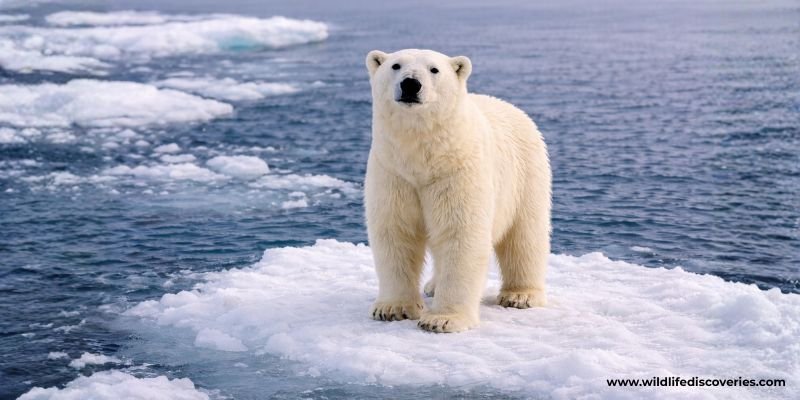
Scientists refer to polar bears as “sentinel species” because they provide an early warning system for the health of the Arctic ecosystem. When polar bear populations struggle, it is a clear sign that the base of the food chain, from algae to seals, is also under stress. During International Polar Bear Day 2026, experts explain how the fate of the bear is tied to the fate of the ice. By monitoring these apex predators, researchers can gain valuable insights into how climate change is altering the chemical and biological makeup of the North Pole.
| Aspect of Observance | Primary Objective for 2026 |
| Education | Promoting knowledge about maternal denning and cub survival. |
| Emissions Reduction | Encouraging the “Thermostat Challenge” to lower carbon footprints. |
| Habitat Protection | Advocating for the reduction of industrial noise near denning sites. |
| Research | Highlighting new technologies used in non-invasive bear tracking. |
The Vulnerable Season: Protecting Mothers and Cubs
A major theme of International Polar Bear Day 2026 is the protection of the next generation of bears currently hidden in maternal dens. Pregnant females head into the snow in late autumn to create a sanctuary where they will give birth to tiny, helpless cubs. These mothers do not eat or drink for several months, relying entirely on their stored fat to produce milk for their offspring. This period is a marvel of biological endurance, but it is also a time of extreme risk that requires absolute protection from human disturbance.
The Secret Life of Newborn Cubs
Newborn polar bears are no larger than a stick of butter when they are born, entering the world blind and covered in very fine fur. The den acts as a crucial thermal buffer, keeping the cubs warm against the howling Arctic winds that can drop to -50°C. On International Polar Bear Day 2026, educators use virtual tools to show the public the intimate bond between a mother and her cubs. These early months are vital for growth, as the cubs must gain enough weight and strength to follow their mother onto the sea ice by early spring.
Survival Rates and the “Survive to 5” Challenge
The first few years of a polar bear’s life are the most dangerous, and many cubs do not survive to reach adulthood. Factors such as malnutrition of the mother, predation by male bears, and the early breakup of sea ice all contribute to high mortality rates. International Polar Day 2026 focuses on the “Survive to 5” initiative, which aims to improve the success rate of young bears during their first five years. Improving these survival rates is the only way to ensure the long-term stability of the various subpopulations scattered across the Arctic.
Maternal dens are often located in snowdrifts along coastal bluffs or on the sea ice.
Mothers lose up to half of their body weight during the months spent in the den.
Cubs must grow from 0.6 kg to roughly 10-12 kg before leaving the den in spring.
Industrial activity near dens can cause mothers to abandon their cubs prematurely.
The Melting Horizon: Key Threats in 2026
Despite their incredible adaptations, the modern world presents a series of threats that polar bears are not evolutionarily equipped to handle. International Polar Bear Day 2026 serves as a platform to identify and address the most pressing issues facing the species today. From the physical disappearance of their hunting grounds to the invisible toxins in their food, the obstacles to survival are mounting. Identifying these threats is the first step toward developing the strategies necessary to save the wildlife and preserve the Arctic frontier.
Sea Ice Fragmentation and Habitat Loss
The most immediate and existential threat to polar bears is the loss of sea ice caused by global warming. As the ice melts earlier in the summer and freezes later in the autumn, bears are forced to spend more time on land where they cannot hunt seals. During International Polar Bear Day 2026, scientists present maps showing the shrinking “ice platform” that bears depend on for survival. This fragmentation leads to longer swims, which can be exhausting for mothers and fatal for young cubs who lack sufficient body fat.
Human-Wildlife Conflict in a Warming North
As polar bears spend more time on land due to lack of ice, they increasingly find themselves in contact with Arctic communities. This leads to dangerous encounters as hungry bears search for food in towns and garbage dumps. On International Polar Bear Day 2026, the focus is on “Bear-Dar” and other radar technologies designed to warn communities when a bear is approaching. Supporting coexistence programs is essential to prevent the unnecessary killing of bears that wander into human-populated areas in search of sustenance.
Pollution and Industrial Encroachment
Pollutants from the industrial world, such as mercury and persistent organic pollutants (POPs), are carried by wind and water currents to the Arctic. These toxins accumulate in the fat of seals and are eventually consumed by polar bears in high concentrations, affecting their immune systems and reproduction. Additionally, International Polar Bear Day 2026 highlights the risks of oil and gas exploration in the Arctic. An oil spill in the frozen North would be nearly impossible to clean up and would have a devastating impact on the entire marine ecosystem.
| Threat Category | Specific Impact on Bears | Conservation Solution |
| Climate Change | Loss of hunting platforms (sea ice). | Global transition to renewable energy sources. |
| Pollution | Endocrine disruption and weakened immunity. | Stricter international regulations on chemical waste. |
| Human Contact | Defense of life and property shootings. | Bear-proof trash containers and radar warnings. |
| Industrial Noise | Disruption of maternal denning sites. | Seasonal “no-go” zones for Arctic shipping. |
Innovations in Polar Research
In the year 2026, technology has revolutionized how scientists study and protect polar bears in the most remote corners of the Earth. These innovations allow for the collection of massive amounts of data without the need for invasive procedures that can stress the animals. On International Polar Bear Day 2026, researchers celebrate the “Digital Arctic,” where every bear sighting contributes to a global database of population health. This modern approach to science is essential for making informed decisions in a rapidly changing environment.
High-Tech Tracking: From Satellite Collars to eDNA
Satellite collars have long been used to track bear movements, but new models are smaller, lighter, and more efficient than ever before. Furthermore, scientists are now using environmental DNA (eDNA) collected from snow tracks to identify individual bears and their health status. This breakthrough is a popular topic during International Polar Bear Day 2026 as it allows researchers to study bears simply by following their footprints. eDNA provides a wealth of information about a bear’s diet, genetics, and even stress levels without ever touching the animal.
Non-Invasive Monitoring: Studying Bears Without Disturbance
The use of drones equipped with thermal cameras allows scientists to locate maternal dens hidden deep beneath the snow without disturbing the mothers. During International Polar Bear Day 2026, the use of AI-powered camera traps is also highlighted as a way to monitor bears in remote regions 24/7. These tools help researchers understand how bears are adapting to longer land-based seasons and which subpopulations are showing the most resilience. By minimizing human presence, science becomes a more accurate reflection of natural bear behavior.
Drones can map ice thickness and find dens across vast, unreachable territories.
AI Algorithms can identify individual bears by their unique whisker patterns.
Satellite Imagery allows for “counting bears from space” via high-resolution photos.
eDNA Technology reduces the need for tranquilizing bears for biological samples.
How You Can Make a Difference?
The ultimate success of International Polar Bear Day 2026 depends on the participation of individuals around the world in the global conservation movement. While the Arctic may seem far away, the choices made in temperate and tropical regions have a direct impact on the ice. This day is a call for everyone to become an active participant in the protection of the North. By changing how we consume energy and how we advocate for the environment, we can ensure that the “Guardians of the Ice” have a sustainable future.
The Thermostat Challenge: Reducing Your Carbon Footprint
A core tradition of this day is the “Thermostat Challenge,” which encourages people to turn down their heating by just two degrees in the winter. This simple action, when performed by millions of people, significantly reduces the demand for carbon-heavy energy and slows the rate of Arctic melting. On International Polar Bear Day 2026, social media is flooded with photos of people wearing sweaters to show their support. It is a powerful reminder that individual household choices are a vital part of the global climate solution.
Supporting Advocacy: Organizations Leading the Charge
Donating to reputable organizations that work on the ground in the Arctic is a direct way to support the science and policy needed to protect bears. These funds go toward the purchase of radar equipment for communities, the funding of field research, and the lobbying of governments for stronger environmental laws. International Polar Bear Day 2026 often features fundraising marathons and virtual galas to support these vital projects. Every dollar contributed helps to save the wildlife by ensuring that researchers have the tools they need to monitor the ice.
Community Education: Spreading Awareness Beyond Social Media
While hashtags are useful, deep change comes from educating local communities and the next generation of leaders. Hosting a talk at a local library, school, or community center on International Polar Bear Day 2026 can spark a lifelong passion for conservation. Providing people with the facts about Arctic ecology helps combat misinformation and builds a broader base of support for environmental policy. Awareness is the first step toward the collective action needed to reverse the trends of habitat loss and global warming.
Join the “Thermostat Challenge” to lower home energy consumption.
Support organizations like Polar Bears International or the WWF Arctic Program.
Choose sustainable, carbon-neutral products to reduce your overall footprint.
Share scientific facts about polar bears to educate your social circles.
A Glimpse into the Future: Can We Reverse the Trend?
As International Polar Bear Day 2026 draws to a close, the focus turns toward the long-term outlook for the species. While the challenges are significant, there is a growing sense of hope that international cooperation and technological innovation can stabilize the Arctic. The future of the polar bear is not yet written, and the actions taken in this decade will be the deciding factor. This observance is a reminder that while the ice is melting, our resolve to protect it is stronger than ever.
The Role of Policy: International Agreements for 2026 and Beyond
Global agreements like the Paris Accord are critical for setting the carbon limits necessary to preserve Arctic sea ice. On International Polar Bear Day 2026, policy experts emphasize the need for the five “range states”—the US, Canada, Russia, Norway, and Greenland—to strengthen their shared management plans. These international treaties ensure that polar bear conservation is a unified effort that transcends political boundaries. Strategic policy remains the most effective tool for protecting the vast migratory routes that bears use across the polar basin.
Success Stories in Arctic Conservation
Despite the warming trend, some polar bear subpopulations have shown remarkable resilience and stable numbers in recent years. This success is often due to strict hunting quotas, the protection of critical denning areas, and the reduction of human-bear conflict. During International Polar Day 2026, these success stories are shared to inspire others and prove that conservation works. By focusing on what is working, the global community can refine its strategies and bring hope to the most threatened regions of the Arctic.