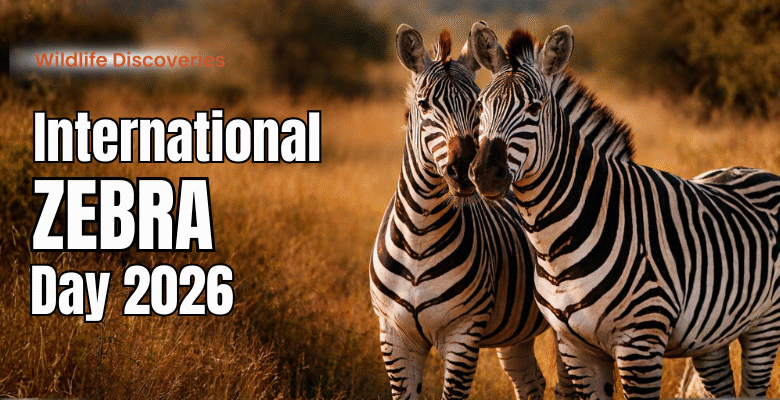
The arrival of International Zebra Day 2026 marks a significant moment for wildlife enthusiasts and conservationists across the globe. Celebrated annually on January 31, this special day is dedicated to raising awareness about the unique challenges faced by zebras in the wild. These equines are famous for their black-and-white coats, but they represent much more than just a visual marvel of the African savanna. They are vital components of their ecosystems, acting as stewards of the grasslands they inhabit.
As the world prepares for International Zebra Day 2026, the focus shifts toward understanding the biological and ecological importance of these animals. Zebras are social creatures that live in complex family groups, showing deep bonds and collective intelligence when facing predators. Unfortunately, their populations are under constant pressure from various environmental and human-induced factors. This day serves as a global call to action to ensure that the thunder of zebra hooves continues to echo across the plains for generations to come.
Zebras are one of the most recognizable animals in the entire world.
They belong to the family Equidae, which also includes horses and donkeys.
International Zebra Day 2026 aims to educate the public on zebra conservation.
Protecting zebras helps preserve the entire African biodiversity chain.
Celebrating the Stripes: International Zebra Day 2026
The tradition of observing International Zebra Day 2026 is rooted in the passion of wildlife organizations and zoo communities. It was established to highlight the beauty of zebras while drawing attention to the dwindling numbers of certain species. Unlike more famous animals like lions or elephants, zebras often receive less individual attention in conservation circles. This dedicated day ensures that the spotlight shines brightly on these striped equines and their survival needs.
The Origins of the Observance
This global event was started by a collaboration of conservation groups that realized the urgent need for a unified voice for zebras. Over the years, it has grown from a small social media trend into a worldwide educational movement. Schools, zoos, and national parks use International Zebra Day 2026 to host seminars and events that teach people about zebra biology. The goal is to turn admiration into action by funding research and habitat protection projects.
Why January 31 Matters for Wildlife
Choosing January 31 as the date for this celebration allows for a fresh start to the year with a focus on biodiversity. It is a time when many conservation budgets are set, making it the perfect opportunity to advocate for zebra-specific funding. International Zebra Day 2026 acts as a bridge between the general public and the scientists working in the field. By dedicating a specific day, the message of conservation remains clear, urgent, and highly visible to the global community.
A Symbol of Balance and Individuality
The zebra’s stripes represent the perfect balance of nature, where two opposites—black and white—create a harmonious whole. This symbolism is often used during International Zebra Day 2026 to teach lessons about diversity and coexistence. Just as every zebra has a unique pattern, every person has a unique role to play in protecting the environment. The zebra serves as a living reminder that individuality is a strength that contributes to the survival of the group.
| Feature | Importance on International Zebra Day |
| Awareness | Educating people on the status of all three species |
| Fundraising | Collecting resources for habitat restoration |
| Advocacy | Pushing for stronger laws against illegal poaching |
| Education | Teaching children about the role of zebras in nature |
The Three Species of Zebra
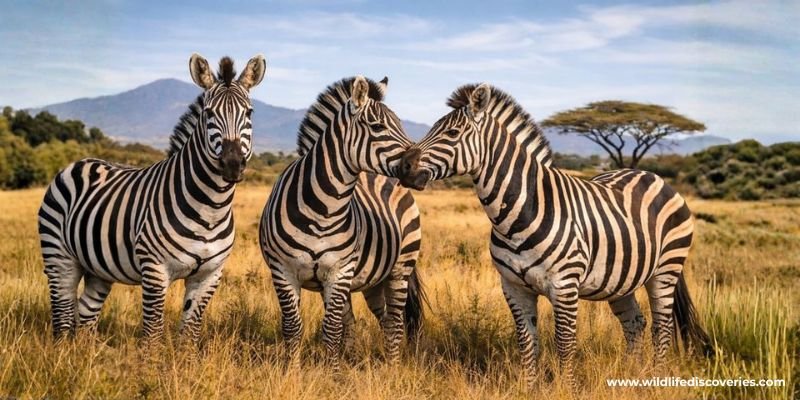
One of the main educational goals of International Zebra Day 2026 is to help people distinguish between the different types of zebras. While they may look similar at a distance, there are actually three distinct species: the Plains, the Grévy’s, and the Mountain zebra. Each has adapted to a specific environment, from the flat savannas to the high, rocky slopes. Understanding these differences is crucial for creating targeted conservation plans that address the unique needs of each group.
The Plains Zebra: Africa’s Iconic Resident
The Plains zebra is the most numerous and widespread species, often seen in massive herds during the Great Migration. They are the most social of the three and are known for their broad stripes that wrap around their bellies. During International Zebra Day 2026, organizations often highlight the Plains zebra as a success story of resilience, though they still face threats from habitat fragmentation. They are a staple of the African landscape and a primary food source for large predators.
The Endangered Grévy’s Zebra: The Giant of the Grasslands
The Grévy’s zebra is the largest and most endangered of the three, with large ears and thin, narrow stripes. Found mostly in Kenya and Ethiopia, their population has declined sharply over the last few decades. International Zebra Day 2026 places a special emphasis on the Grévy’s zebra because of their critical status in the wild. Protecting this species requires intense efforts to manage water resources and prevent competition with domestic livestock.
The Mountain Zebra: Navigating the Rugged Slopes
Mountain zebras are expert climbers, inhabiting the rugged terrain of South Africa, Namibia, and Angola. They are smaller than their cousins and have a distinct “dewlap” or fold of skin on their throats. Because they live in isolated areas, they are particularly vulnerable to localized environmental changes. International Zebra Day 2026 seeks to bring more attention to these mountain dwellers, who are often overlooked in favor of their more famous savanna relatives.
Plains Zebra: The most social and common species found in East and South Africa.
Grévy’s Zebra: Listed as Endangered; they have a more mule-like appearance.
Mountain Zebra: Divided into two subspecies; they are highly adapted to rocky ground.
Conservation Status: Each species requires a different level of protection and monitoring.
The Science of the Stripe: Nature’s Greatest Myster
The most frequent question asked during International Zebra Day 2026 is: “Why do zebras have stripes?” For decades, scientists have debated the purpose of this striking pattern, leading to several fascinating theories. These stripes are not just for show; they are a complex evolutionary tool that helps the animal survive in a world full of dangers. From temperature control to predator defense, the science behind the stripe is truly a marvel of the natural world.
Thermal Regulation: Keeping Cool Under the African Sun
Recent studies suggest that the stripes create tiny wind currents over the zebra’s skin, helping to dissipate heat. Black stripes absorb heat, while white stripes reflect it, creating a “cooling effect” as the zebra grazes in the hot sun. This discovery is a popular topic for discussion on International Zebra Day 2026 as it showcases nature’s engineering. This biological air conditioning allows zebras to graze for longer periods in extreme temperatures compared to other animals.
Dazzling Predators in the Wild
When a herd of zebras runs together, their moving stripes create an optical illusion known as “motion dazzle.” This makes it incredibly difficult for a lion or leopard to pick out a single individual to attack. During International Zebra Day 2026, educators explain how this collective defense mechanism helps protect the most vulnerable members of the herd. The stripes blur the outlines of the animals, making it hard for predators to judge distance and speed accurately.
A Unique Identity
No two zebras in the world have the same stripe pattern, making each individual completely unique. This serves as a vital tool for researchers who use high-tech cameras to track individuals throughout their lives. On International Zebra Day 2026, we celebrate this individuality as a way to connect people emotionally to these animals. Recognizing a zebra by its stripes allows scientists to monitor family bonds, health, and migration patterns with incredible precision.
| Theory | How it Works | Purpose |
| Temperature | Air convection currents | Keeping the animal cool |
| Pest Control | Disrupts light polarization | Warding off biting flies |
| Camouflage | Breaks up body shape | Hiding in tall grass or shadows |
| Social | Visual recognition | Helping herd members find each other |
The Critical Role of Zebras in the Ecosystem
Zebras are often referred to as “pioneer grazers” because they play a fundamental role in maintaining the health of the savanna. Their digestive systems are built to handle tough, low-quality grass that other animals cannot eat. By consuming the tall, coarse grass, they pave the way for more delicate grazers like wildebeest and gazelles. This ecological service is a major theme during International Zebra Day 2026, illustrating that zebras are the guardians of the grasslands.
Pioneer Grazers: Preparing the Land for Others
As zebras move across the plains, they act like natural lawnmowers, keeping the grass at a manageable height. This allows new, nutrient-rich sprouts to grow, which are essential for the survival of smaller herbivores. International Zebra Day 2026 emphasizes that without zebras, many other African species would struggle to find food. Their presence creates a domino effect of health throughout the entire food chain, supporting a vast array of life.
Maintaining the Savanna Balance
Zebras also help spread seeds through their dung, which fertilizes the soil as they travel long distances. This natural reforestation is vital for keeping the African savanna from turning into a complete desert. On International Zebra Day 2026, we recognize that zebras are mobile gardeners who help maintain the structural integrity of their habitat. Their migration routes are like the veins of the continent, carrying life and nutrients from one region to another.
Zebras eat the coarse tops of grasses, making lower layers accessible.
Their movements prevent any single area from being overgrazed.
Zebra dung provides essential nutrients and seeds for the soil.
They are a key prey species that sustains lion and hyena populations.
Facing the Odds: Modern Threats to Zebra Survival
Despite their importance, zebras face a mounting number of threats that could lead to their disappearance in the wild. International Zebra Day 2026 serves as a sober reminder that we cannot take these animals for granted. Human expansion and environmental changes are rapidly shrinking the safe spaces zebras have called home for millions of years. Addressing these challenges requires a global effort to change how we interact with the natural world and its resources.
Habitat Loss and the Expansion of Human Development
As human populations grow, fences and farms are being built across ancient zebra migration routes. This prevents zebras from reaching water and fresh grass, often leading to starvation or conflict with farmers. International Zebra Day 2026 highlights the need for “wildlife corridors” that allow animals to move safely through human-dominated landscapes. When zebras are trapped in small pockets of land, their genetic diversity suffers, and they become more prone to disease.
The Rising Challenge of Climate Change and Drought
Africa is experiencing more frequent and severe droughts, which hit zebra populations especially hard. Without reliable water sources, thousands of zebras can perish in a single season, particularly the endangered Grévy’s species. During International Zebra Day 2026, the focus is often on sustainable water management projects in arid regions. Climate change is shifting the balance of the savanna, forcing zebras to travel further and work harder just to survive each day.
Combatting Poaching and the Illegal Wildlife Trade
Zebras are often hunted for their skins, which are sold as luxury rugs or home decor on the black market. They are also poached for their meat in regions where food security is a major issue. International Zebra Day 2026 calls for stricter enforcement of anti-poaching laws and better support for park rangers. Reducing the demand for zebra products is a critical step in ensuring that these animals are worth more alive than dead.
| Threat | Impact on Zebras | Solution |
| Fencing | Blocks migration | Creating wildlife corridors |
| Drought | Dehydration and death | Installing solar-powered wells |
| Poaching | Population decline | Increased patrols and technology |
| Competition | Loss of food to cows | Community-based grazing plans |
How to Make a Difference on January 31
The ultimate goal of International Zebra Day 2026 is to turn passive observers into active participants in conservation. There are many ways for people around the world to contribute, regardless of their location or financial status. Conservation is a collective effort, and even small actions can lead to major changes when thousands of people act together. This day provides a perfect starting point for anyone who wants to help protect the stripes of the savanna.
Supporting Ethical Wildlife Tourism and Sanctuaries
One of the best ways to help is by supporting national parks and sanctuaries that treat animals with respect. When tourism money goes toward conservation, it creates a financial incentive for local communities to protect their wildlife. International Zebra Day 2026 encourages travelers to choose eco-friendly tours that do not disturb the natural behavior of zebra herds. Ethical tourism ensures that the presence of humans benefits the animals rather than harming them.
Using Social Media to Amplify Conservation Voices
In the digital age, everyone has a platform to spread awareness about the importance of zebras. Sharing facts, photos, and news about zebra conservation on International Zebra Day 2026 can reach millions of people instantly. Using hashtags like #InternationalZebraDay can help build a global community of advocates. Spreading knowledge is a powerful way to fight the myths and misinformation that often surround wildlife and their habitats.
Contributing to Global Zebra Protection Funds
For those who are able, donating to reputable organizations that work on the ground in Africa is a direct way to save lives. These funds go toward buying tracking collars, building wells, and paying the salaries of rangers who work tirelessly to save the wildlife and protect the herds from poachers. International Zebra Day 2026 often features fundraising marathons and charity events to support these vital projects. Every dollar contributed helps ensure that zebras have a safe place to roam and a chance to thrive.
Donate to organizations like the Zebra Conservation Strategy or Tusk.
Avoid buying any products made from real zebra skin or hair.
Volunteer at local zoos or education centers to help teach others.
Stay Informed about the latest scientific findings regarding zebra health.