Top 5 Most Venomous Snakes in the World With Images & Facts
Discover the top 5 most venomous snakes in the world with pictures, habitat, venom types, and detailed facts about each deadly species.

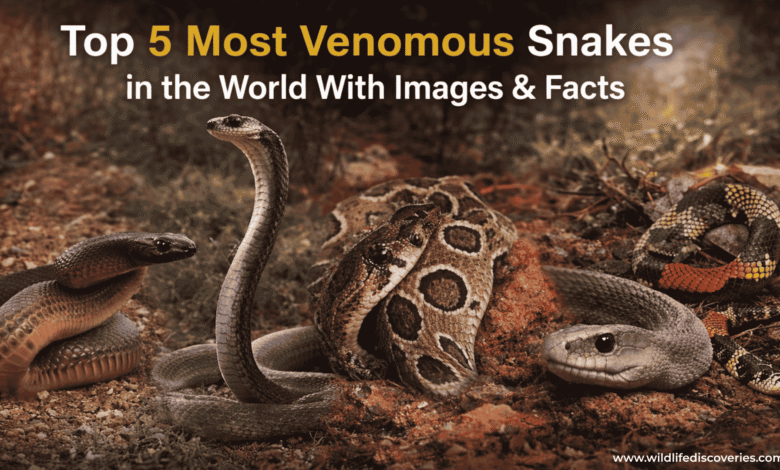
Top 5 Most Venomous Snakes in the World
Snakes are among the most fascinating and feared creatures on Earth. Found in almost every part of the world except Antarctica, they play an important role in maintaining ecological balance. However, some species are extremely dangerous due to their powerful venom. In this article, we will explore the top 5 most venomous snakes in the world, their habitats, characteristics, and why they are considered so deadly.
Venomous snakes have evolved over millions of years to become highly efficient predators. Their venom is used to immobilize prey and for self-defense. Some snakes possess neurotoxic venom that affects the nervous system, while others have hemotoxic venom that damages blood cells and tissues. Understanding these deadly reptiles helps us respect their role in nature while staying safe. If you want to learn more about snakes, check our detailed guide on snake facts, types, species, and survival secrets.
1. Inland Taipan (Fierce Snake)
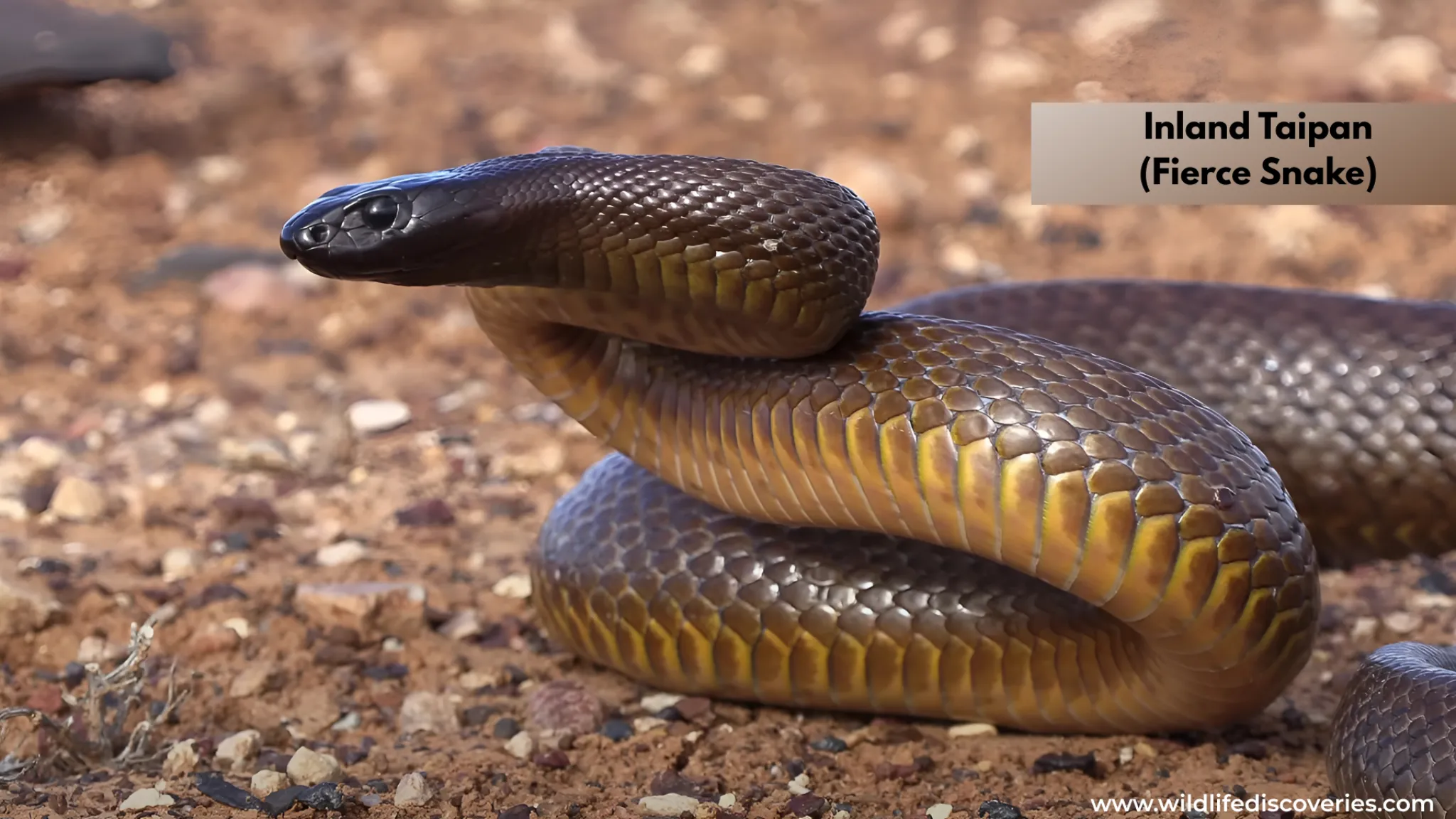
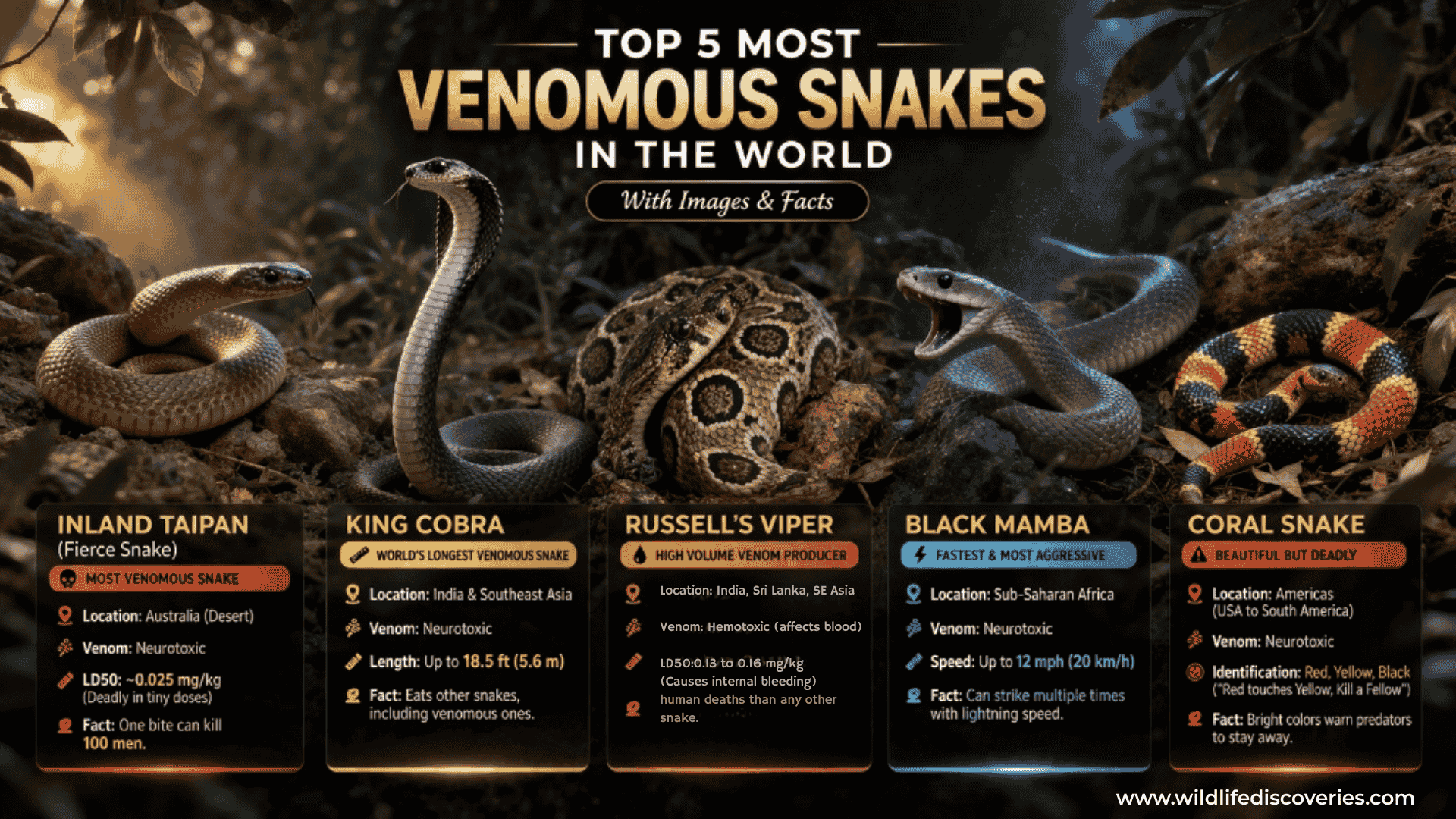
The Inland Taipan, also known as the “Fierce Snake,” is widely regarded as the most dangerous land snake and ranks first among the top 5 most venomous snakes in the world. Despite its deadly reputation, it is rarely encountered in the wild due to its remote habitat and shy nature.
Habitat and Distribution
The Inland Taipan is found in the arid regions of central Australia. It prefers dry environments such as black soil plains, deserts, and rocky outcrops. These isolated areas mean that human encounters are extremely rare.
Venom and Danger
The venom of the Inland Taipan is extremely potent and primarily neurotoxic. A single bite contains enough venom to kill multiple adult humans. It attacks the nervous system, causing paralysis and respiratory failure within a short time if untreated.
Behavior and Characteristics
Interestingly, despite being the most venomous, this snake is very shy and non-aggressive. It avoids confrontation and usually retreats when disturbed. Most bites occur only when the snake feels threatened or cornered.
This combination of extreme venom and low aggression makes it unique among the top 5 most venomous snakes in the world.
2. King Cobra (Ophiophagus hannah)
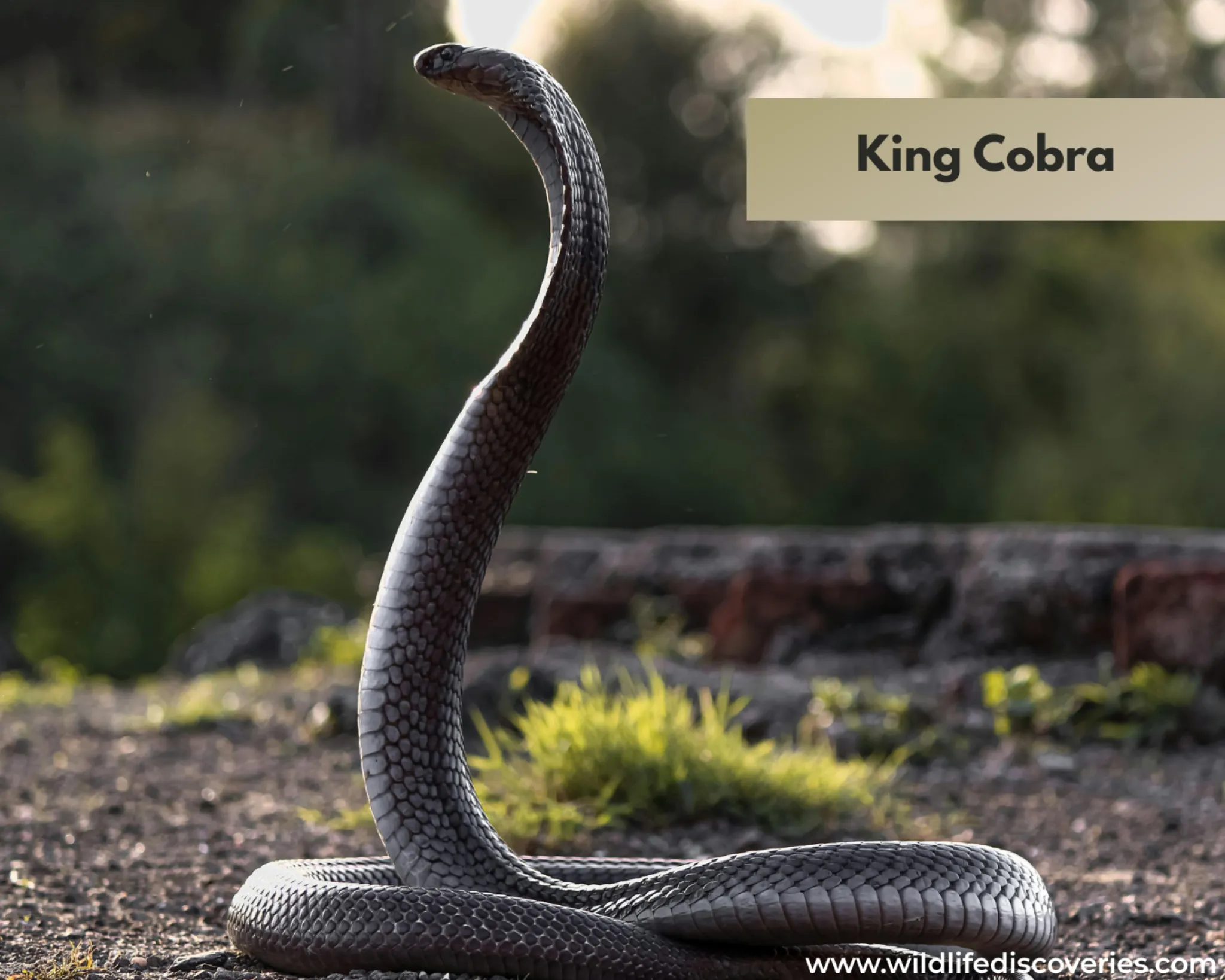
The King Cobra is not only one of the most venomous snakes but also the longest venomous snake in the world, growing up to 18 feet in length. It holds a significant place among the top 5 most venomous snakes in the world due to its size, intelligence, and powerful venom.
Habitat and Distribution
King Cobras are found in the forests, mangroves, and jungles of India, Southeast Asia, and parts of Indonesia. They prefer dense vegetation and areas near water sources.
Venom and Danger
Its venom is neurotoxic and can affect the central nervous system, leading to paralysis and breathing failure. A single bite can deliver a large quantity of venom, making it extremely dangerous.
Behavior and Characteristics
The King Cobra is known for its intelligence and unique feeding habits. Unlike most snakes, it primarily feeds on other snakes, including venomous ones. When threatened, it raises its body, spreads its hood, and emits a loud hiss as a warning.
Despite its fearsome image, it usually avoids humans and attacks only when provoked.
Its size, intelligence, and venom make it a key species in the top 5 most venomous snakes in the world.
3. Russell’s Viper
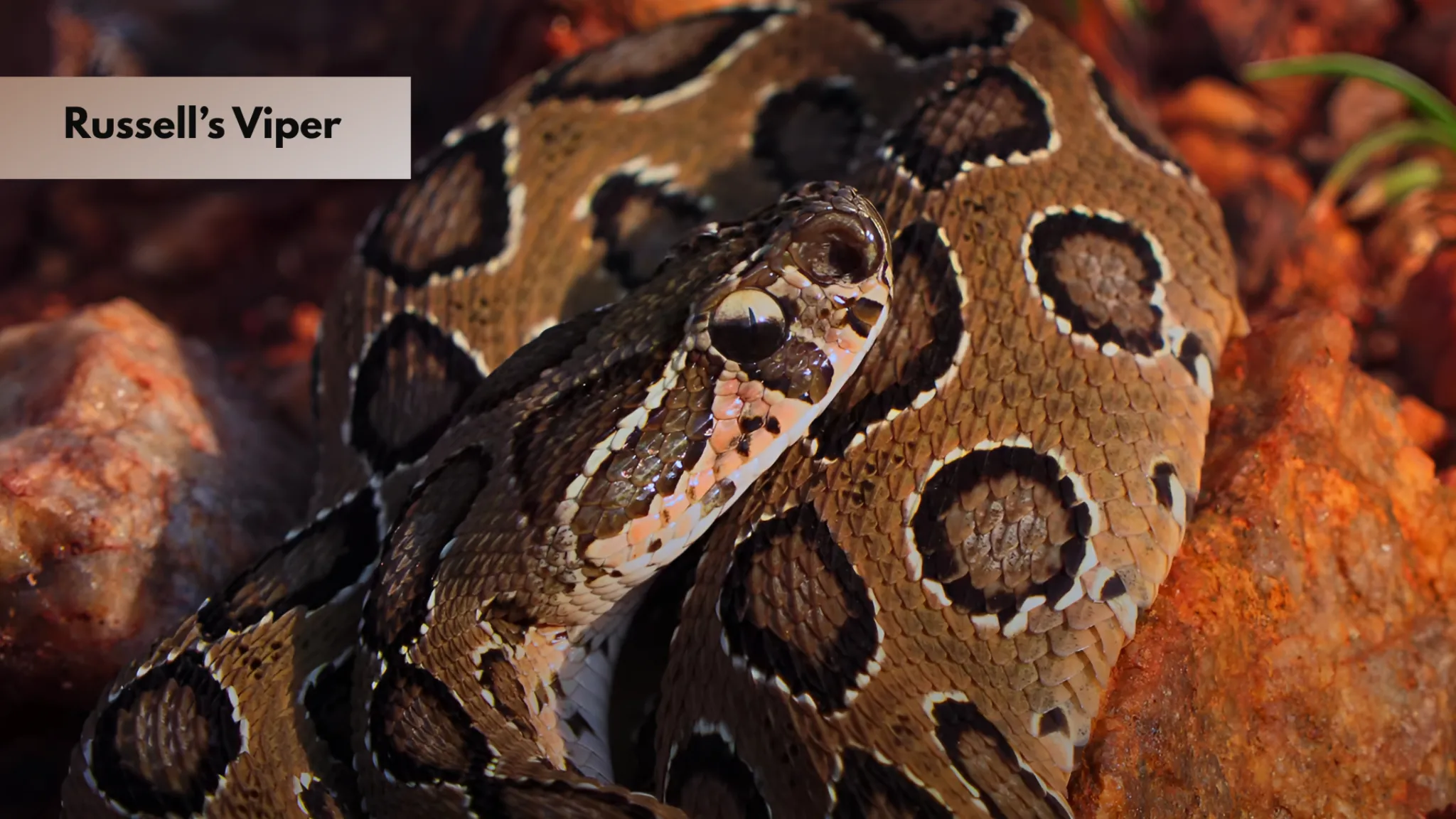
Russell’s Viper is one of the most dangerous snakes in Asia and is responsible for a large number of snakebite incidents every year. It is a crucial member of the top 5 most venomous snakes in the world, especially due to its impact on human populations.
Habitat and Distribution
This snake is widely found in India, Pakistan, Sri Lanka, and Southeast Asia. It thrives in open grasslands, agricultural fields, and even near human settlements, which increases the risk of encounters.
Venom and Danger
Russell’s Viper has hemotoxic venom, which affects blood clotting and damages tissues. A bite can lead to severe pain, internal bleeding, kidney failure, and even death if not treated promptly.
Behavior and Characteristics
Unlike some other venomous snakes, Russell’s Viper can be aggressive when threatened. It produces a loud hissing sound as a warning and can strike quickly. Its camouflaged body makes it difficult to spot, increasing the danger.
Its high number of human encounters makes it one of the most feared snakes in the top 5 most venomous snakes in the world.
4. Black Mamba
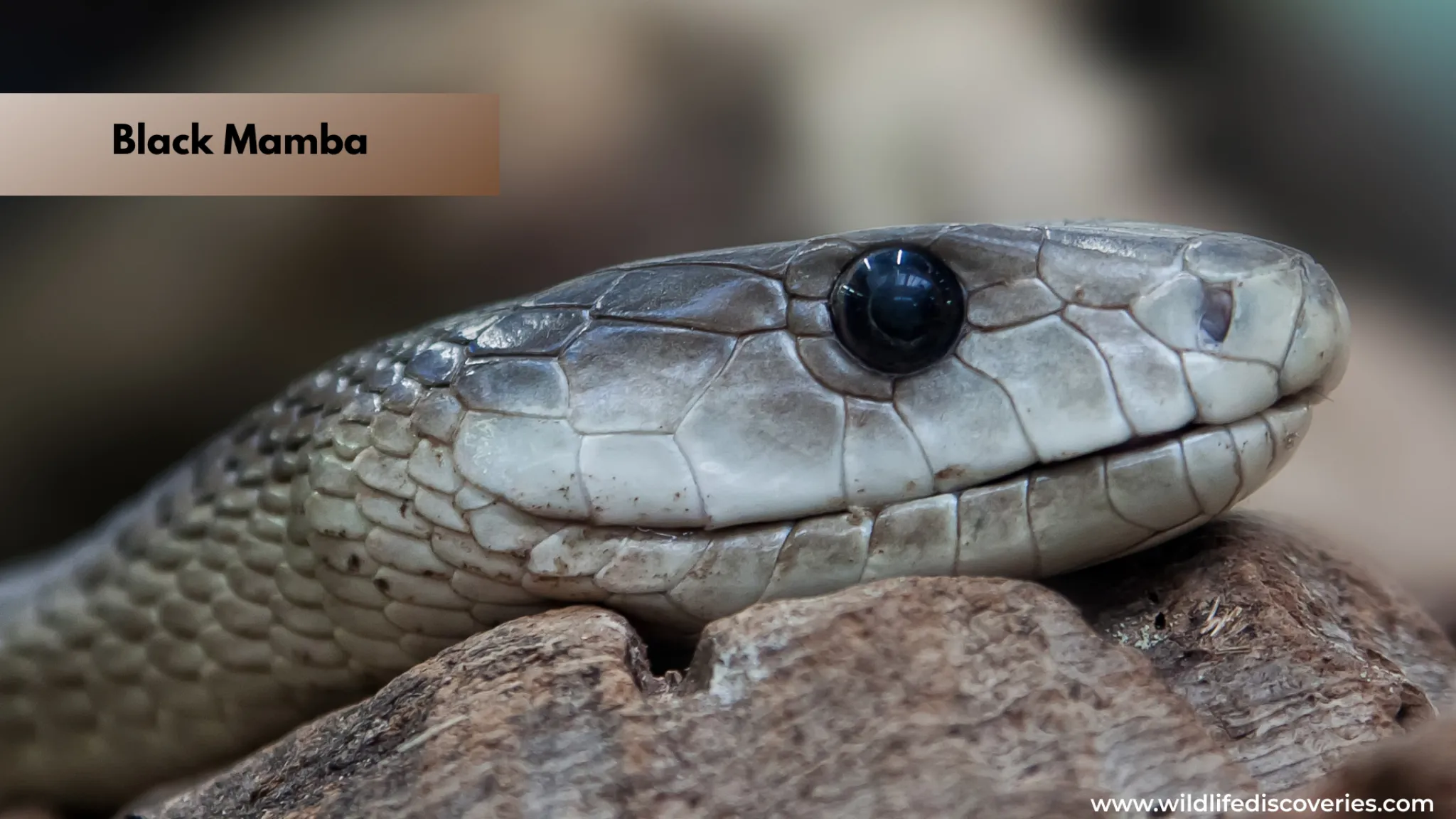
The Black Mamba is one of the fastest and most feared snakes in Africa. Known for its speed and deadly venom, it rightfully earns its place among the top 5 most venomous snakes in the world.
Habitat and Distribution
Black Mambas are found in sub-Saharan Africa. They prefer savannas, rocky hills, and open woodlands. They often live in abandoned burrows or tree hollows.
Venom and Danger
Its venom is highly neurotoxic and can cause paralysis within a short time. Without medical treatment, a bite can be fatal within hours. The snake can deliver multiple bites in a single attack, increasing the danger.
Behavior and Characteristics
Despite its aggressive reputation, the Black Mamba usually avoids humans. However, if threatened, it becomes highly defensive and can strike repeatedly. It is also one of the fastest snakes, capable of moving at speeds up to 20 km/h.
Its speed, aggression, and venom make it one of the deadliest species in the top 5 most venomous snakes in the world.
5. Coral Snake
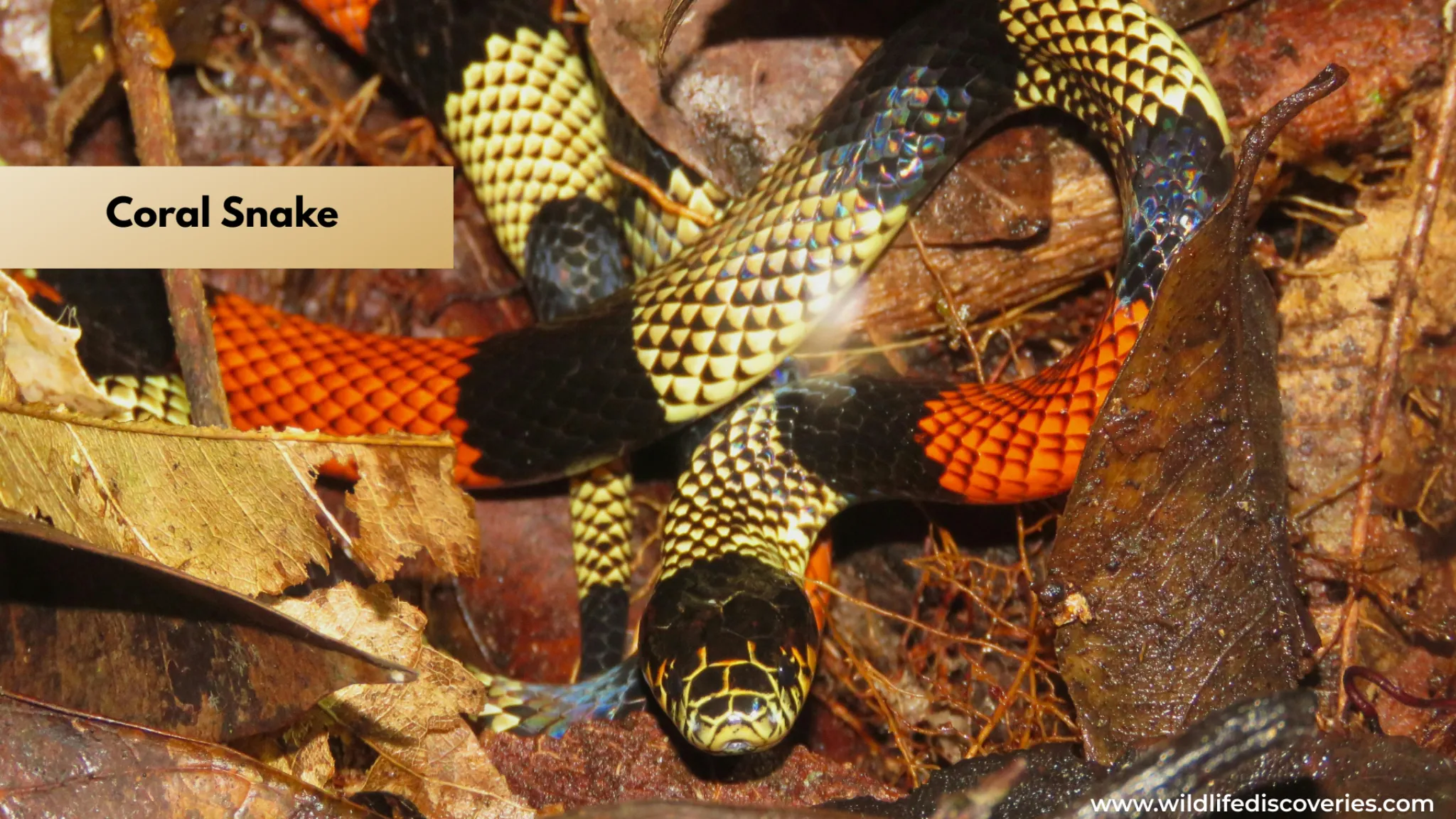
The Coral Snake is smaller compared to others on this list but is extremely venomous. Its bright coloration and potent venom secure its position among the top 5 most venomous snakes in the world.
Habitat and Distribution
Coral snakes are found in North America, South America, and parts of Asia. They prefer forests, sandy areas, and regions with loose soil where they can burrow.
Venom and Danger
The venom of the Coral Snake is neurotoxic and can lead to respiratory failure. Unlike vipers, it has small fixed fangs and often needs to chew to deliver venom effectively.
Behavior and Characteristics
Coral snakes are generally shy and non-aggressive. They rely on their bright red, yellow, and black bands as a warning signal to predators. Many non-venomous snakes mimic their appearance to avoid danger.
Even though it is less aggressive, its venom makes it a vital part of the top 5 most venomous snakes in the world.
Conclusion
FAQs
Q1. Which is the most venomous snake in the world?
The Inland Taipan is considered the most venomous land snake.
Q2. Are venomous snakes aggressive?
Most venomous snakes are not aggressive and prefer to avoid humans.
Q3. What should you do if bitten by a venomous snake?
Seek immediate medical help and avoid panic or movement.
Q4. Which snake has the fastest acting venom?
The Inland Taipan has one of the fastest-acting and most potent venoms among land snakes.
Q5. Which continent has the most venomous snakes?
Australia is known for having the highest number of highly venomous snake species.
Q6. Can a venomous snake bite without injecting venom?
Yes, this is called a “dry bite,” where no venom is released.
Q7. What is the difference between venomous and poisonous snakes?
Venomous snakes inject toxins through bites, while poisonous animals release toxins when touched or eaten.
Q8. Are coral snakes more dangerous than cobras?
Coral snakes have very potent venom, but they are less aggressive and bite less frequently than cobras.
Q9. How can you identify a venomous snake?
Identification depends on species, but warning signs include triangular heads, bright colors, and specific patterns.
Q10. What should you do if you see a venomous snake?
Stay calm, keep a safe distance, and avoid provoking the snake.

