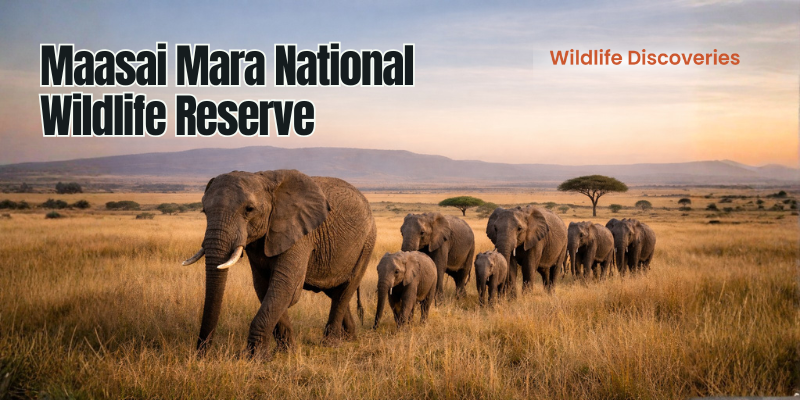
The Maasai Mara safari ranks among the world’s most amazing wildlife experiences. This pristine wilderness covers 1,510 km² (580 sq mi). We’ve put together a complete guide to help you plan an incredible trip to this remarkable destination in 2025.
The Great Migration happens every July and reshapes the scene of Maasai Mara Kenya. About 1.3 million wildebeest, 500,000 Thomson’s gazelles, and 200,000 zebras make their way across the Mara River from Tanzania’s Serengeti. The destination also lets you spot all “Big Five” animals throughout the year – lions, leopards, elephants, buffaloes, and the rare black rhinoceros.
The Maasai Mara stands apart from staged wildlife encounters. Here, life happens “unfolding raw and unfiltered, as it has for thousands of years“. This piece will give you great tips about the best times to visit, accommodation options, packing essentials, and ways to make your Maasai Mara safari adventure memorable in 2025.
Where is Maasai Mara National Reserve?
The magnificent Masai Mara reserve lies in Kenya’s southwestern region. This pristine wilderness stands as the life-blood of East Africa’s most impressive wildlife viewing opportunities. Learning about its location and ecological significance will give you essential context before your Maasai Mara safari adventure.
Location and size of the reserve
The Maasai Mara National Reserve covers 1,510 square kilometers (580 square miles) of breathtaking African savannah in Narok County. Tanzania borders this expansive territory to the south, and the Great Rift Valley sits next to its eastern boundaries.
The reserve started with 1,672 square kilometers (645 square miles) in the 1970s. Its size changed in 1984 to let Maasai people continue their traditional cattle grazing on ancestral lands. This change didn’t reduce the area’s conservation value. The total protected area grew through many new conservancies around the main reserve.
Maasai mara Kenya features a mixture of rolling plains, riverine forests, and acacia woodlands. The Mara River and its tributaries – the Sand and Talek rivers – are the main drainage systems throughout the reserve. These rivers sustain the ecosystem and create dramatic settings for wildlife encounters, especially at crossing points during migration season.
Connection to Serengeti and Mara ecosystem
The Maasai Mara makes up the northernmost section of the Mara-Serengeti ecosystem. This ecosystem spans 25,000 hectares across Kenya and Tanzania. Visitors on a Maasai Mara safari experience one continuous ecological unit that changes names at the Kenya-Tanzania border, becoming Serengeti National Park on the Tanzanian side.
This unfenced ecosystem creates one of Earth’s largest protected wildlife habitats, covering 40,000 square kilometers. Animals roam freely between these territories during the famous annual migration. Over a million wildebeest, half a million gazelles, and 200,000 zebras make their dangerous journey between the Serengeti and Maasai Mara searching for water and fresh grazing.
Conservation efforts now focus on expanding wildlife corridors throughout the region. The Initiative for Conservation of the Serengeti-Mara Ecosystem (SEMA) wants to create transboundary corridors from Kenya’s Mara region across Tanzania’s Serengeti Plains to Ngorongoro Crater. These efforts are crucial for wildlife conservation and maintaining the delicate balance of this unique conservation area.
Why it’s called ‘Masai Mara Kenya’
“Masai Mara” carries deep cultural meaning that honors both the land and its traditional inhabitants. “Masai” (sometimes spelled Maasai) refers to the indigenous Maasai people who lived in this region for centuries. These semi-nomadic pastoralists shared these plains with wildlife and developed a unique bond with the land.
“Mara” comes from the Maasai language, Maa, meaning “spotted” or “dotted”. This name perfectly captures the landscape’s appearance from afar – a vast savannah dotted with short bushy trees and acacia. The spotted appearance becomes clear during a typical Maasai Mara safari, as umbrella-shaped acacias create distinct silhouettes against the horizon.
The Maasai people named this territory long before European explorers arrived. This indigenous name stayed in the official designation, making it unique among major wildlife reserves.
Best Time to Visit for a Masai Mara Safari
The right timing of your Maasai Mara safari can boost your chances of seeing wildlife up close. This iconic destination offers amazing sightings all year, but each season brings its own unique advantages based on what you want to see.
Dry vs wet seasons
The Maasai Mara Kenya climate stays semi-arid year-round, with nice days and cool nights. The reserve has two distinct seasons that affect both the landscape and how wildlife behaves.
The dry season (June to October) stands out as the best time to visit Maasai Mara. Animals gather near the few water sources as vegetation thins out, making them easier to spot. Sunny weather dominates with daytime temperatures at 25°C (77°F), though mornings can get quite cool at 12°C (54°F).
Wet season (November to May) turns the landscape into a green paradise. Two rainfall patterns mark this time: the “short rains” (November-December) and “heavy rains” (March-May, with April being the wettest). Muddy roads can be challenging, but you’ll find fewer tourists, dramatic skies perfect for photos, and baby animals making their first appearances.
The green season also brings better deals on lodging and excellent opportunities for bird watching, including sightings of various raptors and the distinctive secretary bird.
When to see the Great Migration
Nature’s most amazing wildlife spectacle unfolds during the Great Migration. More than 1.5 million wildebeest, along with zebras and Thomson’s gazelles, make this dangerous trip. Getting your timing right is vital if you want to see this phenomenon during your Maasai Mara safari.
July to October during the dry season gives you the best chance to see the migration in Maasai Mara Kenya. You might witness the breathtaking Mara River crossings, which people call “the greatest show on Earth”. Large wildebeest herds usually arrive from Serengeti in late July, and August typically offers the best viewing opportunities.
The migration flows as a year-round cycle. Wildebeest start their journey back south around late October through early November. Rain patterns, grass availability, and breeding cycles drive this movement rather than a fixed schedule.
Month-by-month travel tips
| Month | Weather | Wildlife Highlights | Visitor Density |
| January-February | Warm, dry (28°C/82°F) | Calving season, excellent predator action | Moderate |
| March-May | Wet, with April heaviest (27°C/81°F) | Lush landscapes, newborns, excellent birdwatching | Low |
| June | Drier, cooler mornings (25°C/77°F) | Start of dry season, wildlife concentrating at water | Increasing |
| July-August | Dry, cool mornings (24°C/75°F) | Migration arriving, river crossings begin | Very high (peak season) |
| September-October | Dry, warming (25-27°C/77-81°F) | Migration in full swing, predator action | High |
| November-December | Short rains, warm (27°C/81°F) | Migration departing, green landscapes return | Moderate |
Budget travelers should look at the wet season (especially April-May) that offers great deals and smaller crowds while still providing amazing wildlife viewing. All the same, first-time safari-goers often choose the dry season because spotting wildlife is easier and weather is more predictable.
Your African safari Kenya trip that includes the Great Migration river crossings needs early booking. This spectacular event draws visitors worldwide, and accommodations fill up fast during peak season.
Top Attractions in Masai Mara Safari 2025
The Masa Mara stands as East Africa’s crown jewel. This remarkable destination promises wildlife experiences that will stay with you forever. Let me show you what makes this safari destination so special in 2025.
1. The Great Wildebeest Migration
Earth’s most spectacular wildlife show takes place on the Masai Mara plains in Kenya. This amazing natural event brings together 1.3 million wildebeest, 300,000 zebras and thousands of Thomson’s gazelles. These animals cover 800 kilometers as they search for water and rich pastures. The movement is so massive that you can see it from space.
2. Big Five sightings
The Maasai Mara gives you excellent chances to see all the Big Five animals. You’ll find growing numbers of elephants and lion prides that are “as common as antelopes”. Large herds of Cape buffaloes gather near water, while powerful leopards show their strength by carrying prey four times their weight up trees. Black rhinos, though harder to spot, live in the grasslands and thick forests across the reserve.
3. Mara River crossings
The river crossings create the migration’s most dramatic scenes. Wildebeest gather nervously at the riverbanks until one brave animal takes the plunge. This triggers thousands to follow in a thundering rush of splashing and chaos. Crocodiles wait below the surface, creating intense moments as ancient survival instincts take over.
4. Hot-air balloon safaris
The Maasai Mara wilderness looks magical from a hot-air balloon. This peaceful adventure lets you see stunning views of the landscape. Most flights last an hour and cover 8-12 kilometers of savannah. The experience ends with a champagne breakfast in the bush – a perfect way to celebrate your Kenyan safari.
5. Maasai village visits
The semi-nomadic Maasai people welcome visitors to learn about their rich culture. These cultural visits show you real daily customs and traditions. The Maasai warriors show off their impressive jumping skills, and you can see traditional manyatta huts built from mud, cow dung and wood. Most of the money from these visits goes straight to helping the community.
6. Birdwatching opportunities
Bird lovers can spot more than 470 species in the Masai Mara. Between November and April, birds from Europe and Asia join the local residents. Look for African fish eagles hunting by rivers, beautiful lilac-breasted rollers on acacia trees, and giant kingfishers among many others. The reserve is also home to various raptors and the distinctive secretary bird, making it a paradise for bird watching enthusiasts.
7. Mara Triangle and conservancies
The quieter Mara Triangle makes up 510 square kilometers – about one-third of the reserve. Few entry points mean fewer crowds here, yet wildlife remains abundant. This area gives you the best views of river crossings during migration. The surrounding private conservancies, such as the Olare Orok Conservancy, offer exclusive game viewing experiences with fewer vehicles.
8. Photography hotspots
The Masai Mara offers perfect spots for wildlife photography. Lookout Hill gives you sweeping views of migrating herds. The Mara River lets you capture dramatic wildebeest crossing shots. Musiara Marsh attracts the famous Marsh Pride of lions, which you can photograph against green backgrounds. For the best wildlife photography opportunities, consider joining specialized photography safaris.
Where to Stay in Maasai Mara Kenya
Your choice of accommodation can revolutionize your Maasai Mara safari experience. The options range from basic to ultra-luxurious and cater to various priorities and budgets.
Luxury lodges vs mobile camps
Masai Mara Kenya offers two main types of stays – permanent safari lodges and tented camps. Safari lodges provide hotel-style comforts with solid structures, private bathrooms, electricity, WiFi, and on-site restaurants. Tented camps feature canvas-based accommodations that range from basic to ultra-luxury. Many come with proper beds and some even include private decks.
The prices vary significantly. Basic tented camps start at USD 100 per night. Luxury lodges are more expensive and cost between USD 300-1000 per night. Tented camps let you get closer to nature – you’ll hear lions roaring at night. Lodges provide better security with their solid walls and locked doors.
Best areas: Mara Triangle, Olare Orok, Naboisho
The Mara Triangle makes up about one-third of the reserve at 510 square kilometers. It’s less crowded because it has limited access points. Wildlife lovers should head over to Olare Motorogi (formerly Olare Orok) Conservancy. This area features luxury spots like Mahali Mzuri with its 12 tented suites and infinity pool.
Naboisho Conservancy spans 50,000 acres and offers an ultra-private experience with fewer vehicles. It has Africa’s highest concentration of big cats. The area helps over 500 local Maasai families while protecting important wildlife corridors.
Family-friendly and honeymoon options
Families visiting Maasai Mara Kenya should check out lodges like Mara Serena Safari Lodge. It has swimming pools, spacious family rooms, and kid-friendly activities. Fig Tree Camp is another great family spot with poolside features.
Honeymoon couples can enjoy exclusive stays at camps like Angama Mara. This camp combines classic safari romance with modern style and overlooks wildlife-rich areas. Mahali Mzuri offers ultra-modern luxury and prime wildlife viewing through 12 stylish tented suites with floor-to-ceiling windows.
The main reserve and surrounding conservancies are great places to stay. Just remember to book early if you plan your Maasai Mara safari during peak migration season.
Travel Tips for a Smooth Safari Experience
The right preparation will give a smooth adventure in Kenya’s wildlife paradise. Your Maasai Mara safari needs attention to paperwork and packing. Here’s what you should know.
Visa and vaccination requirements
Kenya uses an electronic Travel Authorization (eTA) system through www.etakenya.go.ke. You must have yellow fever vaccination certificates when arriving from countries with risk of transmission. You should also get hepatitis A and typhoid vaccinations, and keep your routine immunizations up to date.
What to pack for your safari
Light packing is crucial, with focus on neutral-colored clothing (khaki/green) and layers that adapt to temperature changes. Airlines that fly to Maasai Mara Kenya strictly enforce a 15kg luggage limit. You need these items:
- Lightweight, loose-fitting clothes
- Sun protection (hat, sunscreen, sunglasses)
- Insect repellent containing DEET
- Comfortable walking shoes
- Simple medications and first-aid supplies
How to get to Maasai Mara from Nairobi
A flight from Wilson Airport in Nairobi takes about an hour, with round-trip tickets costing around USD 220 per person. Driving takes between 5.5-6.5 hours based on your entry gate, covering 225-275km. You’ll follow highways A104, B3, and then C12 or C13. Road transfer is another option, offering a chance to see more of the Kenyan landscape en route to the reserve.
Safety and health precautions
Take your prescribed malaria medication and use mosquito repellent regularly. Your safari guide’s instructions are crucial – stay inside vehicles during wildlife viewing. Travel insurance that covers medical evacuation should be your priority.
Budgeting and cost breakdown
Daily entry fees cost USD 70 per adult when staying inside the reserve and USD 80 for outside stays. You can add experiences like hot air balloon safaris (USD 400-500) and Maasai village visits (USD 30-50). Budget safaris start at USD 1,200 per person, while luxury safari options begin from USD 3,800.
Conclusion
The raw, untamed beauty of a Maasai Mara safari engages the soul in ways words can’t describe. In this piece, you’ll discover magnificent landscapes, incredible wildlife encounters, and practical tips to plan an unforgettable trip in 2025. Without doubt, this remarkable destination gives you experiences you won’t find anywhere else on earth.
The July-October dry season is the best time to visit Maasai Mara Kenya, especially when you have the Great Migration reaching its dramatic peak. Notwithstanding that, each season has its own charm – you’ll find lower prices and fewer crowds during wet months, while wildlife sightings become concentrated when water is scarce.
Your choice of accommodation will shape your Maasai Mara safari experience by a lot. You might love the immersive atmosphere of a tented camp with lions roaring nearby, or you could prefer the extra comforts of a luxury lodge. Both options put you right at nature’s doorstep. The choice between staying in the main reserve or surrounding private conservancies lets you customize based on your priorities and budget.
Your trip through Maasai Mara Kenya becomes even more meaningful with cultural interactions with Maasai communities. These cultural visits are a great way to get genuine insight into traditions that have existed among wildlife for generations.
Note that you should plan well ahead if the Great Migration tops your bucket list. Therefore, booking accommodations 9-12 months ahead will give you the best shot at your preferred options during peak seasons.
A Maasai Mara safari is more than just a vacation – it’s a profound connection with nature at its most spectacular. You’ll never forget the sunrise balloon rides over endless plains, heart-stopping predator hunts, and peaceful evenings under star-filled skies.
East Africa’s wilderness promises adventures that will revolutionize your understanding of our natural world. Few experiences come close to watching life unfold as it has for millennia in this remarkable corner of Kenya.
Key Takeaways
Planning a successful Maasai Mara safari requires strategic timing, proper preparation, and understanding what makes this destination truly exceptional.
• Visit July-October for peak wildlife action – The Great Migration and dramatic Mara River crossings occur during dry season with optimal viewing conditions.
• Book accommodations 9-12 months ahead – Peak migration season fills up quickly; early booking secures preferred lodges and camps.
• Budget $1,200-$3,800+ per person – Costs vary dramatically from budget safaris to luxury experiences, plus $70-80 daily park fees.
• Pack light with neutral colors – Airlines enforce 15kg limits; khaki/green clothing, layers, and sun protection are essential for comfort.
• Choose location based on priorities – Main reserve offers classic safari experience while conservancies provide exclusive, less crowded wildlife encounters.
The Maasai Mara delivers unparalleled wildlife experiences year-round, but proper planning transforms a good safari into an unforgettable adventure. Whether witnessing 1.3 million wildebeest crossing crocodile-infested rivers or enjoying cultural exchanges with Maasai communities, this iconic destination offers memories that last a lifetime.
FAQs
Q1. What is the most exciting activity to experience in Maasai Mara? One of the most thrilling experiences in Maasai Mara is taking a hot-air balloon safari. This adventure offers unparalleled panoramic views of the savannah and wildlife below, typically lasting about an hour and covering 8-12 kilometers. The experience is often topped off with a champagne bush breakfast in the wilderness.
Q2. How long should I plan to stay in Maasai Mara for a satisfying safari experience? A minimum of 3 days and 2 nights is recommended for a fulfilling Maasai Mara safari. This duration allows enough time to explore the park’s diverse wildlife and landscapes, and increases your chances of witnessing spectacular animal sightings.
Q3. When is the best time to visit Maasai Mara for wildlife viewing? The best time to visit Maasai Mara for optimal wildlife viewing is during the dry season, from July to October. This period coincides with the Great Migration, offering dramatic river crossings and concentrated wildlife around water sources. However, each season has its unique advantages for safari experiences.
Q4. What are the accommodation options in Maasai Mara? Maasai Mara offers a range of accommodation options to suit different preferences and budgets. These include luxury lodges with hotel-like amenities, and tented camps that provide a more immersive wildlife experience. Prices can range from around $100 per night for budget-friendly tented camps to $300-1000 per night for luxury lodges.
Q5. What should I pack for a Maasai Mara safari? For a Maasai Mara safari, pack light with a focus on neutral-colored clothing (khaki/green) and layers for temperature changes. Essential items include lightweight, loose-fitting clothes, sun protection (hat, sunscreen, sunglasses), insect repellent, comfortable walking shoes, and basic medications. Remember that airlines enforce a strict 15kg luggage limit for flights to Maasai Mara.