Kruger National Park: Animals, Safari & Complete Travel Guide
The Ultimate Kruger Adventure

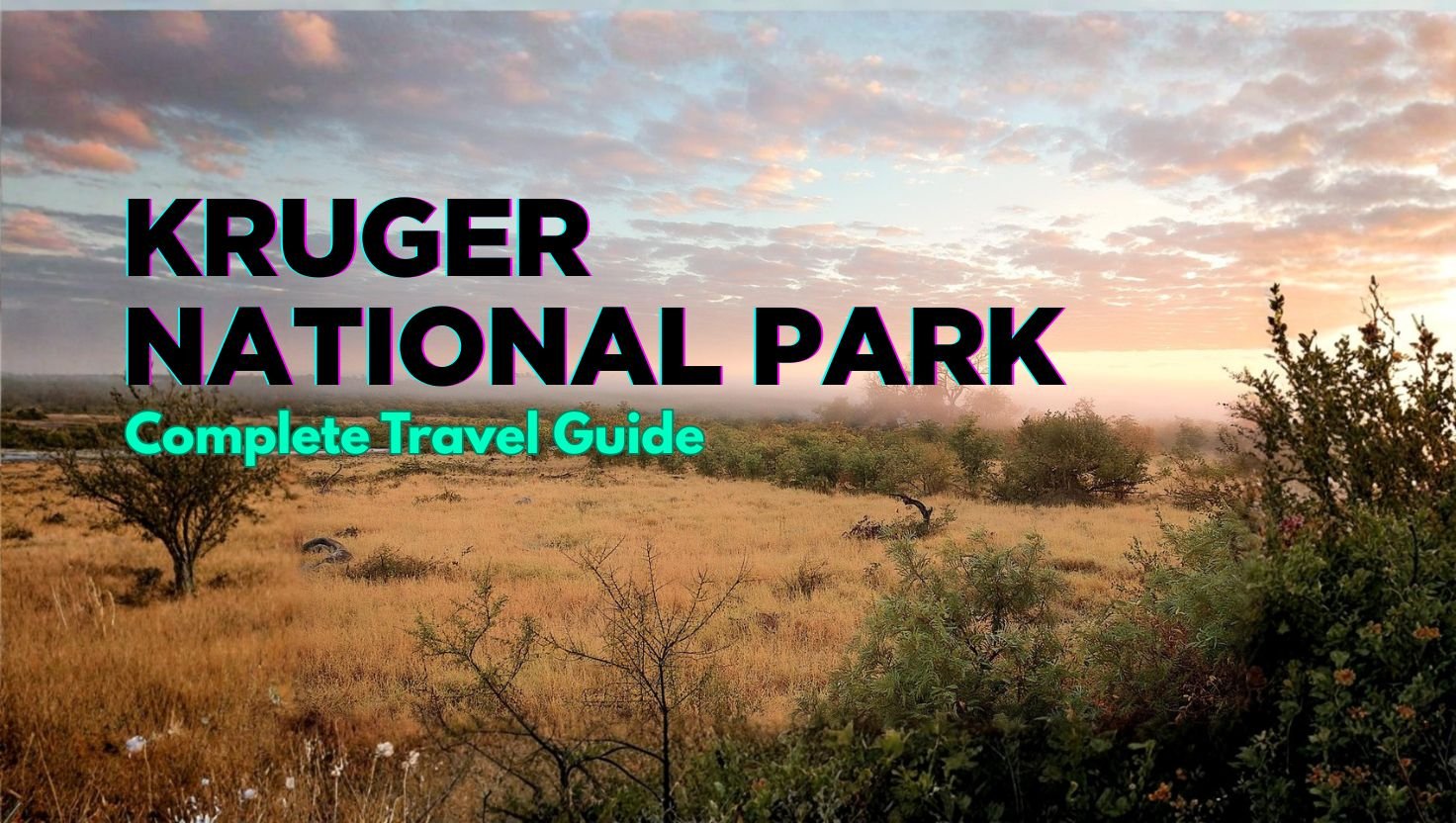
A Kruger park safari has topped our travel bucket list for years, and with good reason too. The park stretches nearly 220 miles from north to south and covers about 19,633 km² (7,500 mi²) – matching the size of Wales. This makes Kruger National Park one of the world’s most impressive wildlife destinations.
Our first research into Kruger safari options revealed the park’s fascinating history. This 125-year-old park is maybe the oldest wildlife reserve in the world and earned its World Heritage Site status in 2001. The park’s wildlife viewing experience remains unmatched with its 147 mammal species, 507 bird species, 114 reptile species, and countless other amazing creatures that call this big wilderness their home. The park’s Big Five – elephants, lions, leopards, buffaloes, and rhinos – attract thousands of wildlife lovers every year.
The park’s location makes it easy to reach. Visitors landing in Johannesburg can enter the park’s southern region in just 5-6 hours.
Why Kruger National Park is a must-visit

A Kruger park safari stands among the world’s greatest wildlife experiences. You’ll find good reasons for this everywhere you look. The park combines its massive size, rich biodiversity, easy access, and genuine experiences to create an unmatched destination for nature lovers.
Size and biodiversity
Kruger National Park’s staggering scale and remarkable biodiversity make it unique. The park covers nearly 2 million hectares (20,000 square kilometers or 7,722 square miles) – about the same size as Wales. This big wilderness stretches about 360 kilometers (220 miles) from north to south and 65 kilometers (40 miles) across. Such vast space creates different habitats that support an amazing variety of life.
The park’s biodiversity will leave you speechless. Kruger houses 147 mammal species – more than any other African game reserve. You’ll also find 507 bird species, 114 reptile species, 49 fish species, and 34 amphibian species. The plant life matches this diversity with over 336 tree species, about 400 shrubs, and more than 1,000 other plant varieties.
The insect life that supports the entire ecosystem is even more remarkable. Scientists think about 20,000 insect species call the park home. These tiny creatures form the base that supports everything from 39 different species of insect-eating bats to the mighty elephants roaming the savanna.
Accessibility and infrastructure
Kruger stands out from other African wilderness areas because it’s so easy to reach. The park welcomes visitors through nine main entrance gates. Well-kept roads let you explore in regular vehicles – even small cars can handle most gravel roads.
Getting to Kruger doesn’t take much effort. Three airports serve the park: Nelspruit (the largest), Hoedspruit, and Skukuza (inside the park). Driving from Johannesburg takes about 5-6 hours. This makes the park perfect for both international and local travelers.
The park’s infrastructure meets every visitor’s needs. You’ll find 12 main rest camps, 5 bushveld camps, 2 bush lodges, and 4 satellite camps spread throughout the park. These camps come with restaurants, shops, fuel stations, and places to stay – from campsites to bungalows.
The park has worked hard to welcome visitors with mobility challenges. Most spots offer good general access. Features like ramped entrances to receptions, shops, restaurants, and lookout points help all visitors move around easily.
Authentic safari experience
Kruger safaris give you the real African wildlife experience. The park houses all the Big Five (lion, leopard, elephant, rhino, and buffalo) – you might spot all five in just one day. Beyond these famous animals, you could see cheetahs, wild dogs, hippos, crocodiles, giraffes, zebras, and many antelope species.
The park lets you experience wildlife in different ways. Self-driving gives you freedom to explore at your own speed and spend time watching animals that interest you. Or you can join guided game drives with experienced rangers who know how to track and explain animal behavior. For adventure lovers, walking safaris offer a close-up view of the ecosystem.
Kruger’s variety of landscapes makes each safari special. The drier north shows off its fever trees and baobabs, while central Kruger has thick mopani thickets. The south boasts lush riverine vegetation. Each area brings its own ecosystems and chances to spot wildlife.
Wildlife in Kruger: What you’ll see

Each game drive in Kruger Park tells its own wildlife story. The thrill of seeing animals never gets old in this big wilderness, no matter how many times you’ve been there.
The Big Five and where to find them
The iconic Big Five remain the most sought-after sights on any Kruger safari. These magnificent creatures got their name as the most dangerous animals to hunt on foot, but nowadays people hunt them only with cameras.
You’ll often see lions in the central and southern regions, especially near Satara where open plains make perfect hunting grounds. Your best chance to spot these magnificent cats comes during early morning and late afternoon drives.
Leopards show up regularly in certain areas despite their shy nature. The S25 road (Crocodile River Road) and the stretch between Skukuza and Lower Sabie are known leopard hotspots. These graceful hunters usually rest in trees during the day.
Elephants wander throughout Kruger National Park, with big herds gathering in the northern parts near Letaba and Olifants. Watching these gentle giants interact at waterholes creates some of Kruger National Park’s most unforgettable moments.
Buffalo herds, sometimes hundreds strong, gather near permanent water sources. The H10 road between Lower Sabie and Tshokwane gives you great buffalo sightings, especially in the dry season.
White and black rhinos live in the park, though white rhinos appear more often in the southern section between Pretoriuskop and Skukwane. These prehistoric-looking animals prefer grazing in open grasslands.
Unique species and rare sightings
Kruger National Park offers more than just the Big Five. Wild dogs, which are among Africa’s most endangered predators, sometimes appear in the central and northern regions. Their coordinated hunting shows nature at its most efficient.
Cheetahs, though fewer in number, like the open plains around Satara and Lower Sabie areas. These swift hunters need grassland habitats to use their famous speed.
Night safari lovers get to see a different side of the wilderness. Aardvarks, civets, genets, and bush babies come out after sunset, showing the park’s nocturnal character.
Pangolins, aardwolves, and honey badgers rank among the rarest sights. Even experienced rangers get excited when they spot these elusive creatures.
Birds, reptiles, and small mammals
Kruger Park’s wildlife goes well beyond large mammals. The park stands out as a top birding spot with over 500 bird species. Raptors like martial eagles and bateleurs float above the savanna, while rollers, bee-eaters, and kingfishers add bright splashes of color.
Waterbirds flourish near rivers and dams—saddle-billed storks, goliath herons, and fish eagles show up often. Summer months (November-April) bring many migrating species that make birding even better.
Reptiles add fascinating encounters to your Kruger safari. Big Nile crocodiles sun themselves along riverbanks, while rock monitors and various lizards dart across the landscape. Snake enthusiasts might catch sight of pythons, mambas, or distinctive puff adders.
Small mammals like the charming dwarf mongoose, tree squirrels, and various gerbil species often go unnoticed. These little creatures play key roles in the ecosystem and provide entertainment during quiet moments.
Each Kruger Park safari creates its own memories. The natural drama keeps unfolding in this remarkable wilderness, whether you’re following the Big Five or watching the smaller residents.
Planning your safari: Routes and timing
Smart timing of your Kruger Park safari can make a huge difference in how much wildlife you’ll see. Each season brings something special to the park, and visitors can expect different experiences throughout the year.
Best times to visit for wildlife
The dry winter months from May to September are the best time to visit Kruger for a safari. Animals become easier to spot because the vegetation thins out. They gather near the remaining water sources, which makes rivers and waterholes excellent spots for wildlife viewing [26, 31].
The wet summer season (November to April) turns the park into a green paradise. The thick vegetation might make it harder to spot animals, but this season has its own magic. You’ll see lots of baby animals, huge flocks of migratory birds, and stunning photo opportunities everywhere you look.
For specific wildlife interests:
- June to September: You’ll see more predators thanks to better visibility
- November to February: Bird watchers will love the arrival of migratory species
- December to January: The perfect time to spot newborn animals
Top safari routes by region
Kruger’s southern section has the most wildlife and works great for first-time visitors. The best routes here include:
- The H4-1 between Skukuza and Lower Sabie, which is famous for its leopard sightings
- The S28 near Crocodile Bridge, which runs through areas where elephants and giraffes roam
The central part of Kruger offers more open spaces with fewer tourists. The Timbavati Road (S127) follows the river north and gives you great chances to see big herds and predators like cheetahs.
The northern section attracts adventurous travelers who want a more remote experience. The Luvuvhu River Drive stands out as one of the most beautiful routes, with amazing riverine forests and excellent bird watching spots.
How many days to spend
A 4-5 day stay gives you the best Kruger Park safari experience. This gives you enough time to explore different areas and see plenty of wildlife.
Your ideal stay length depends on what you want to see:
- 2 days: You’ll get a quick taste but won’t see much
- 3-4 days: This works well for most people and offers good wildlife viewing
- 7+ days: Perfect if you want to explore every corner of the park
New visitors should spend at least three days in the southern region before heading north. This approach lets you see lots of wildlife while getting a feel for the park’s variety.
The best safari experience comes from visiting during the dry season and taking enough time to explore the key routes in Kruger National Park.
Accommodation guide: Where to stay
Your Kruger park safari experience depends heavily on where you choose to stay. Kruger national park provides an impressive range of options that match different priorities and budgets – from simple camping facilities to luxury private lodges.
Rest camps vs private lodges
Your safari experience at Kruger national park largely depends on your accommodation choice. SANParks manages rest camps that give you an affordable, authentic wilderness experience. These family-friendly, fully fenced camps come equipped with electricity, first-aid centers, shops, braai facilities, communal kitchens, restaurants, and petrol stations.
Private lodges offer premium experiences with guided game drives, gourmet dining, and exclusive settings. These lodges in Kruger safari areas have access to their private road networks. They can often drive off-road to give you the best wildlife viewing opportunities. Here’s how they stack up:
| Feature | Rest Camps | Private Lodges |
|---|---|---|
| Meals | Self-catering options; some have restaurants | All-inclusive gourmet meals |
| Game drives | Self-drive or bookable separately | Included with experienced guides |
| Experience | Independent, flexible | Structured, luxurious |
Top-rated camps in each region
Skukuza and Lower Sabie shine in southern Kruger park safari territory. Skukuza, the largest camp, hosts up to 1,000 visitors and features three swimming pools. Lower Sabie’s location on the Sabie River provides breathtaking views and various accommodation choices.
Satara stands out in central Kruger national park. The camp sits in prime big cat territory and offers excellent facilities.
Northern exploration beckons at Punda Maria and Shingwedzi. Punda Maria, a 104-year old ranger post, maintains its historic charm and attracts bird enthusiasts.
Booking tips and seasonal pricing
Most visitors book their preferred accommodation a year in advance. This becomes particularly significant during South African school holidays – December-January, Easter, and June-July – when facilities fill up rapidly.
SANParks adjusts accommodation rates by season, with prices peaking during holidays. Current options range from camping (R301) and safari tents (R727) to bungalows (R1,150) and guesthouses (R6,608).
Park entrance fees don’t include accommodation costs. South African citizens or residents aged over 60 who are pensioners can get accommodation discounts.
Smart ways to maximize value:
- Book mid-week stays during shoulder seasons (March-May or September-October)
- Mix different rest camps for varied experiences
- Choose self-catering units to control expenses
Essential travel tips for Kruger
A full preparation will give you an unforgettable Kruger park safari experience. Understanding the basics will help you spend more time watching wildlife instead of handling logistics when you start your adventure.
How to get there: Airports and driving
The park has three main airports: Kruger Mpumalanga International Airport (KMIA) in the south, Hoedspruit Eastgate Airport in central Kruger, and Phalaborwa Airport in the north. You can catch daily flights from Johannesburg to these airports, while KMIA also connects to Cape Town and Durban. You can also drive from Johannesburg, which takes about 5-6 hours to reach the southern gates.
Park entry fees and gate times
International visitors currently pay R535 per adult and R267 per child daily in 2025. The fees are much lower for South African citizens and residents at R128 per adult and R64 per child. The gates welcome visitors from 05:30 (Oct-Mar) or 06:00 (Apr-Sep) and close between 17:30 and 18:30 based on the season. You’ll face heavy fines if you arrive late.
What to pack and wear
Your Kruger national park safari needs:
- Neutral-colored clothing (avoid white, red, blue, black)
- Layered outfits for temperature changes
- Wide-brimmed hat and sunglasses
- Comfortable walking shoes
- Camera with extra memory cards
- Lightweight flashlight to navigate camps after dark
Health, safety, and malaria precautions
The park sits in a malaria zone, especially during the wet season from October to May. Make sure to talk to your doctor about the right malaria medication before your trip. You should use DEET repellent, wear long sleeves at night, and sleep under mosquito nets to avoid bites. The good news is that all accommodation areas have secure fencing to keep wildlife out.
Food, fuel, and facilities inside the park
The main rest camps come equipped with restaurants, shops, and fuel stations. You’ll find ATMs at Skukuza and Letaba. Every camp offers self-catering options with BBQ areas. Day visitors can use the picnic spots throughout the park that have toilets and skottel braai rentals. Your phone should work in most areas, but signal strength varies a lot.
Conclusion
Kruger National Park delivers one of Africa’s most remarkable wildlife experiences. Our exploration showed there was something extraordinary in this big wilderness for every traveler. The thrill of spotting the Big Five in their natural habitat and peaceful moments watching sunsets over the savanna create lifetime memories.
Without doubt, Kruger’s special charm comes from its perfect balance of accessibility and wildness. You can experience world-class wildlife viewing without sacrificing comfort or spending too much, unlike many remote African destinations. The park fits all priorities and budgets – from authentic self-driving tours to luxury guided safari experiences.
The right timing can boost your experience substantially. Winter’s dry months give you the best game viewing conditions, though each season brings its own magic. Your choice of accommodation shapes the safari experience deeply, ranging from basic camping to luxury lodges.
The iconic wildlife encounters are just the start. Kruger creates a deeper connection with nature that rarely exists in our modern world. Tracking animal movements, identifying birds, or quietly observing a waterhole reminds us why these wild spaces need protection.
Your adventure planning should stay flexible as this often creates the most rewarding experiences. The most memorable sightings happen unexpectedly – maybe even on a quiet, less-traveled road or during an early morning drive as the park wakes up.
We suggest you welcome both planning and spontaneity that comes with a Kruger safari. Get your camera ready, stay patient, and prepare for an adventure that will likely surpass your expectations. Kruger National Park stands as proof of conservation success and offers an exceptional window into Africa’s wild heart—drawing visitors back year after year.
Key Takeaways
Planning a successful Kruger National Park safari requires strategic timing, proper preparation, and understanding the park’s diverse offerings to maximize your wildlife viewing experience.
• Visit during dry season (May-September) for optimal wildlife viewing when animals concentrate around water sources and vegetation is thinner
• Plan 4-5 days minimum to explore different regions and increase chances of Big Five sightings across the park’s diverse ecosystems
• Book accommodation at least one year in advance, especially for peak seasons, with options ranging from R301 camping to luxury lodges
• Pack neutral-colored clothing, malaria prophylaxis, and arrive at gates early (open 05:30-06:00) to avoid fines and maximize game drive time
• Choose between self-driving for flexibility or guided tours for expert tracking, both offering authentic African safari experiences
Kruger’s accessibility from Johannesburg (5-6 hours drive) combined with excellent infrastructure makes it ideal for first-time African safari visitors. The park’s 147 mammal species, including the Big Five, across 20,000 square kilometers provide unmatched wildlife diversity in a single destination.
FAQs
Q1. What is the best time to visit Kruger National Park for wildlife viewing?
The dry winter season from May to September is considered the prime time for wildlife viewing. During these months, vegetation is thinner, making animals easier to spot, and they tend to concentrate around water sources.
Q2. How many days should I plan for a Kruger National Park safari?
Most visitors find that 4-5 days provide an optimal safari experience. This duration allows enough time to explore different regions and increases your chances of memorable wildlife encounters, including spotting the Big Five.
Q3. What are the accommodation options in Kruger National Park?
Kruger offers a range of accommodation options to suit different preferences and budgets. These include rest camps managed by SANParks with facilities like camping sites, safari tents, and bungalows, as well as private luxury lodges for a more premium experience.
Q4. Do I need to take malaria precautions when visiting Kruger National Park?
Yes, Kruger National Park is in a malaria zone, particularly during the wet season (October-May). It’s advisable to consult your doctor about appropriate prophylaxis before traveling and take precautions such as using mosquito repellent and wearing long sleeves in the evenings.
Q5. Can I self-drive in Kruger National Park or do I need to book guided tours?
You can choose either option. Self-driving provides freedom to explore at your own pace, while guided game drives offer expert tracking and interpretation. The park has well-maintained roads that allow visitors to explore in standard vehicles, even sedans can navigate most gravel roads.