Exploring Different Types of Ecosystems and Characteristics
Discover How Ecosystems Support Life on Our Planet

Ecology involves the comprehensive study of the intricate interrelationships between organisms and their physical environments. From the vast expanse of the open ocean to a microscopic community thriving within a single droplet of water, the natural world is organized into dynamic, highly interactive systems. To comprehend the unparalleled complexity of the biosphere, one must explore why is the Earth called a unique planet? The answer lies in its exclusive capacity to sustain a fragile, interconnected web of life through perfectly calibrated environmental conditions, atmospheric composition, and diverse physical habitats.
Understanding the different types of ecosystems and characteristics is essential for analyzing how life is sustained, how energy moves through intricate food webs, and how environmental shifts impact global biodiversity. The Earth’s surface is a complex mosaic of varied landscapes and waterscapes, each governed by specific climatic, geographical, and biological rules. By examining the structural components and functional processes of these varied biomes, researchers, climatologists, and conservationists can better formulate robust strategies to halt biodiversity loss and preserve the delicate balance that supports life. This report provides an exhaustive, data-driven analysis of ecosystem structure and function, the precise classification of major global biomes, and the critical importance of ecosystems for both the natural world and human society.
What Is an Ecosystem?
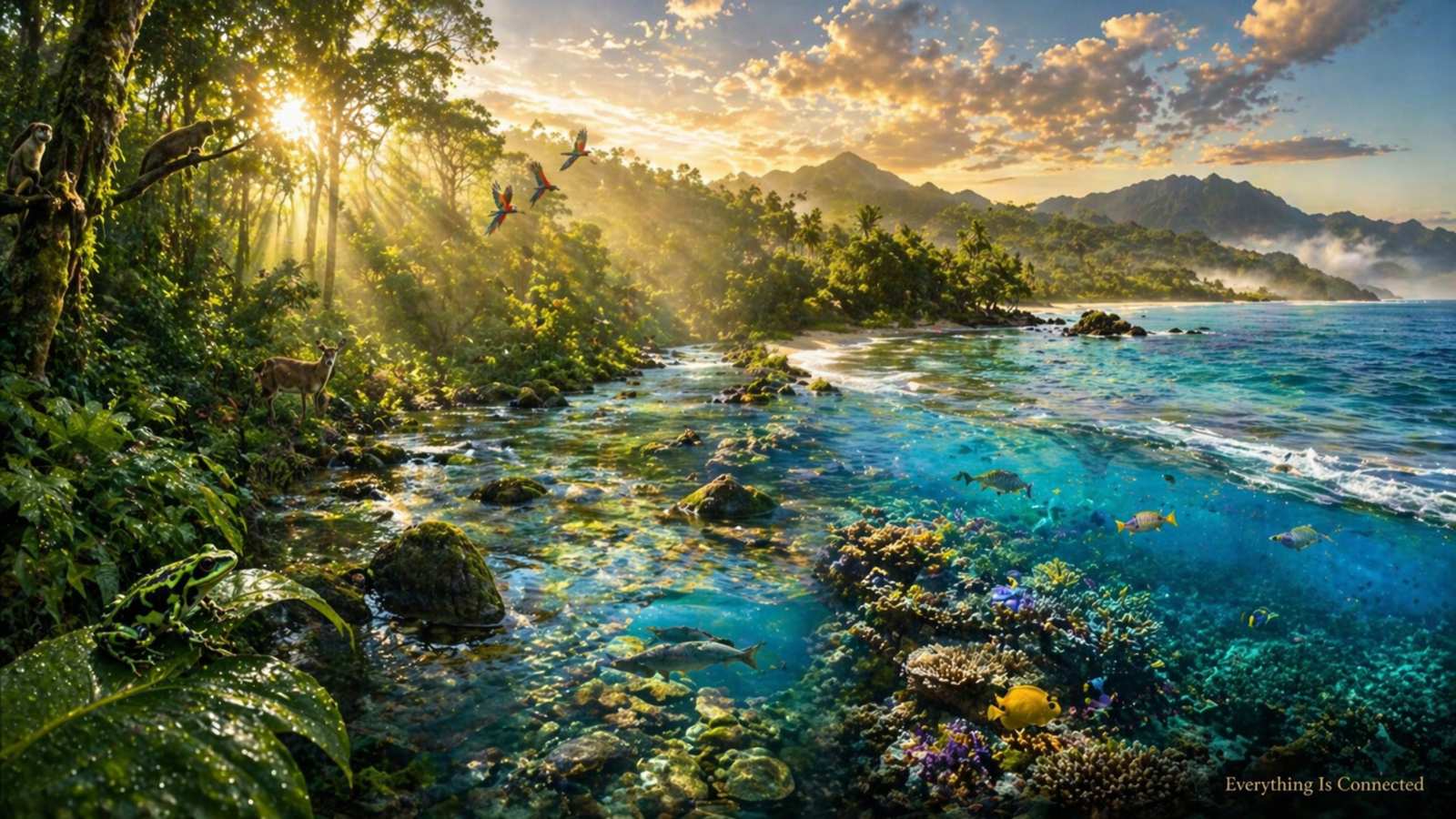
In ecological sciences, an ecosystem is defined as a biological community of interacting organisms and their physical environment. It is considered the fundamental functional unit of nature, encompassing every living and non-living aspect within a particular spatial boundary. The concept integrates two major forces that inexorably link these constituents: the unidirectional flow of energy through the system, primarily originating from the sun, and the continuous, cyclical movement of essential nutrients through biological and geological pathways.
The boundaries of an ecosystem are rarely marked by rigid lines. Instead, ecosystems often blend into one another through transitional environmental zones known as ecotones. Because of this fluidity, an ecosystem can be categorized across various spatial scales, depending on the scope of the ecological study being conducted:
Micro Ecosystems: Small-scale, highly localized environments, such as a temporary puddle, a decaying tree trunk, or the underside of a rock, which possess their own independent microclimates and biological communities.
Meso Ecosystems: Medium-scale environments, such as a localized forest patch, a coastal wetland, or a large freshwater lake, which contain diverse populations interacting over a measurable geographic area.
Biomes: Vast, regional-scale collections of ecosystems that share similar climatic conditions, biotic populations, and abiotic factors, such as the entire Amazon basin, the sweeping African savanna, or the Arctic tundra. Technically, the Earth itself can be viewed as a single, massive ecosystem—the biosphere.
At its core, every ecosystem is divided into two primary categories of components: abiotic and biotic. Abiotic constituents include the non-living physical and chemical elements, such as sunlight, climate, seasonal temperature fluctuations, soil composition, water availability, and mineral content. Biotic constituents comprise all living members of the community, ranging from microscopic bacteria and fungi to massive apex predators and towering botanical giants. The interactions between these physical surroundings and the biological populations define the fundamental nature and carrying capacity of the habitat.
Why Ecosystems Are Important
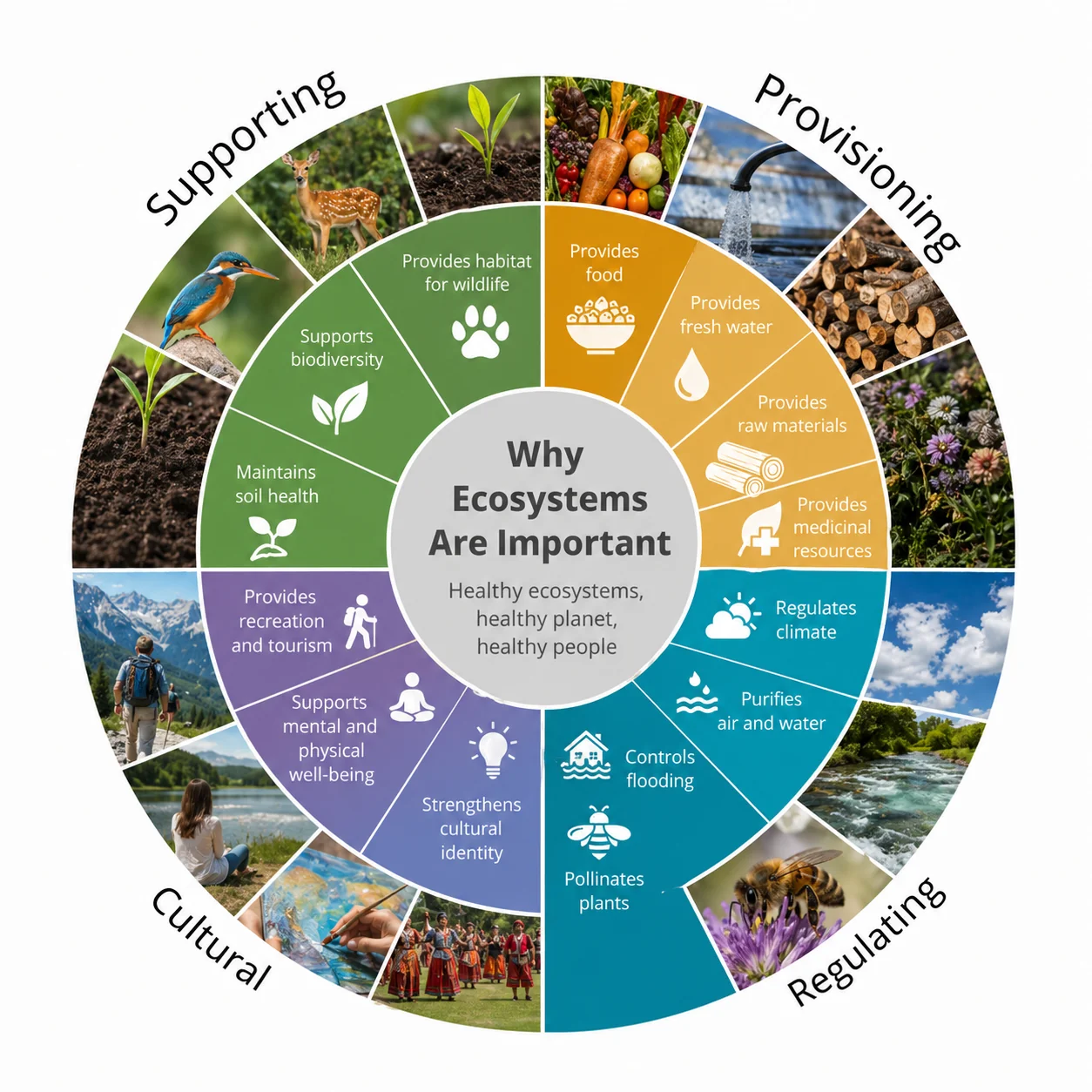
The continuous operation of the biosphere relies entirely on the output and stability of natural ecosystems. Ecosystem services—the conditions, outputs, and processes through which natural systems sustain and fulfill life—are critical for regulating the global climate, purifying water, maintaining soil fertility, and supporting complex terrestrial and aquatic food webs.
The socioeconomic importance of ecosystems cannot be overstated, as over half of the global Gross Domestic Product (GDP) is directly or indirectly dependent on nature and its resources. Healthy human communities are sustained by well-functioning ecosystems that provide fresh water, natural medicines, clean air, and long-term food security. When assessing the necessity of protecting these natural environments, one must consider why is wildlife conservation important? Conserving individual species ensures that the complex ecological roles they play—such as pollination, seed dispersal, nutrient cycling, and population regulation through predation—continue to function smoothly, thereby maintaining the structural integrity of the entire habitat.
Key Facts: The Global Impact of Ecosystem Services
To quantify the sheer scale of support that natural ecosystems provide to the planet, researchers analyze vast datasets spanning terrestrial, freshwater, and marine biomes.
| Metric / Ecosystem Service | Statistical Impact and Ecological Significance | Source |
| Freshwater Provision | Healthy ecosystems supply a staggering 75% of global freshwater resources, with wetlands playing an irreplaceable role in natural water purification. | |
| Carbon Sequestration | Global forest ecosystems absorb over 2.6 billion tonnes of carbon dioxide annually, acting as a primary buffer against runaway climate change. | |
| Global Carbon Storage | Terrestrial land ecosystems and the ocean collectively absorb more than half of all human-driven carbon emissions. | |
| Human Livelihoods | More than 1 billion people rely directly on forest ecosystems for their primary livelihoods, shelter, and sustenance. | |
| Wetland Decline | Despite their importance, 35% of the world’s wetlands have been permanently lost since 1970, devastating local water security. | |
| Soil Biodiversity | Almost 60% of all known species live within the soil, making land the planet’s most biodiverse, yet often overlooked, habitat. |
Beyond resource provision, ecosystems act as the planet’s primary defense against catastrophic climatic events. For example, riparian buffers and wetlands provide massive attenuation of flooding in residential and agricultural areas, drastically reducing the economic and human toll of severe weather events.
Different Types of Ecosystems and Characteristics
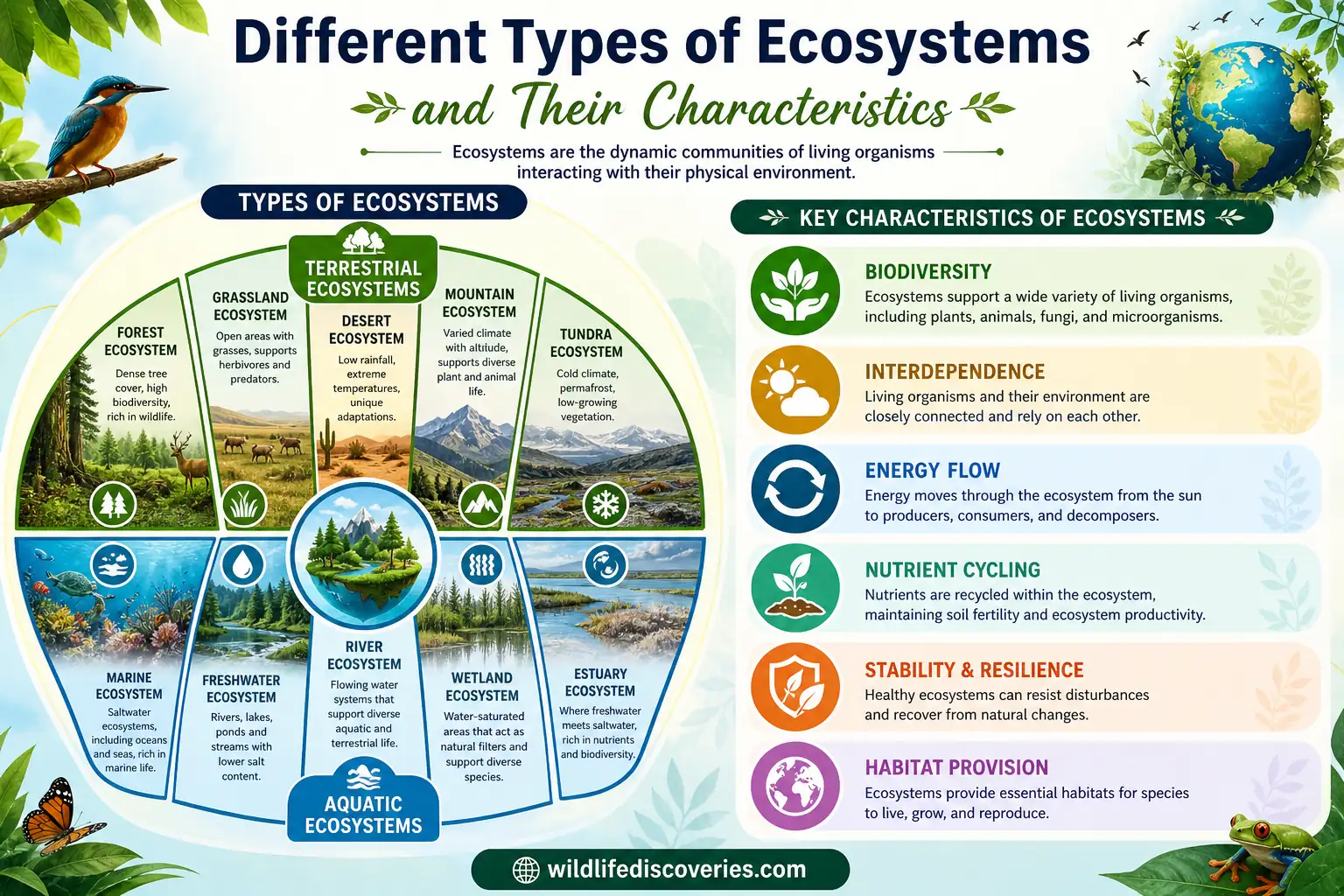
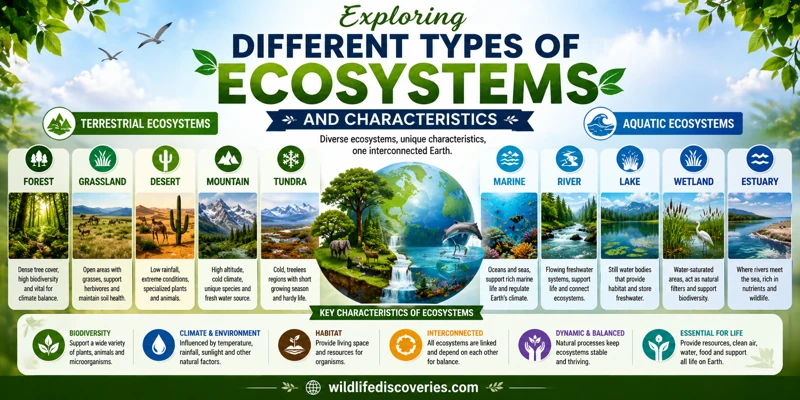
The biosphere is broadly categorized into terrestrial (land-based) and aquatic (water-based) ecosystems. Each category contains highly specialized biomes that are defined by distinct flora, fauna, and climatic variables. An exhaustive analysis of the different types of ecosystems and characteristics requires a detailed examination of how abiotic factors, such as precipitation, altitude, and sunlight, dictate the biological communities that can survive and thrive there.
Terrestrial Ecosystems
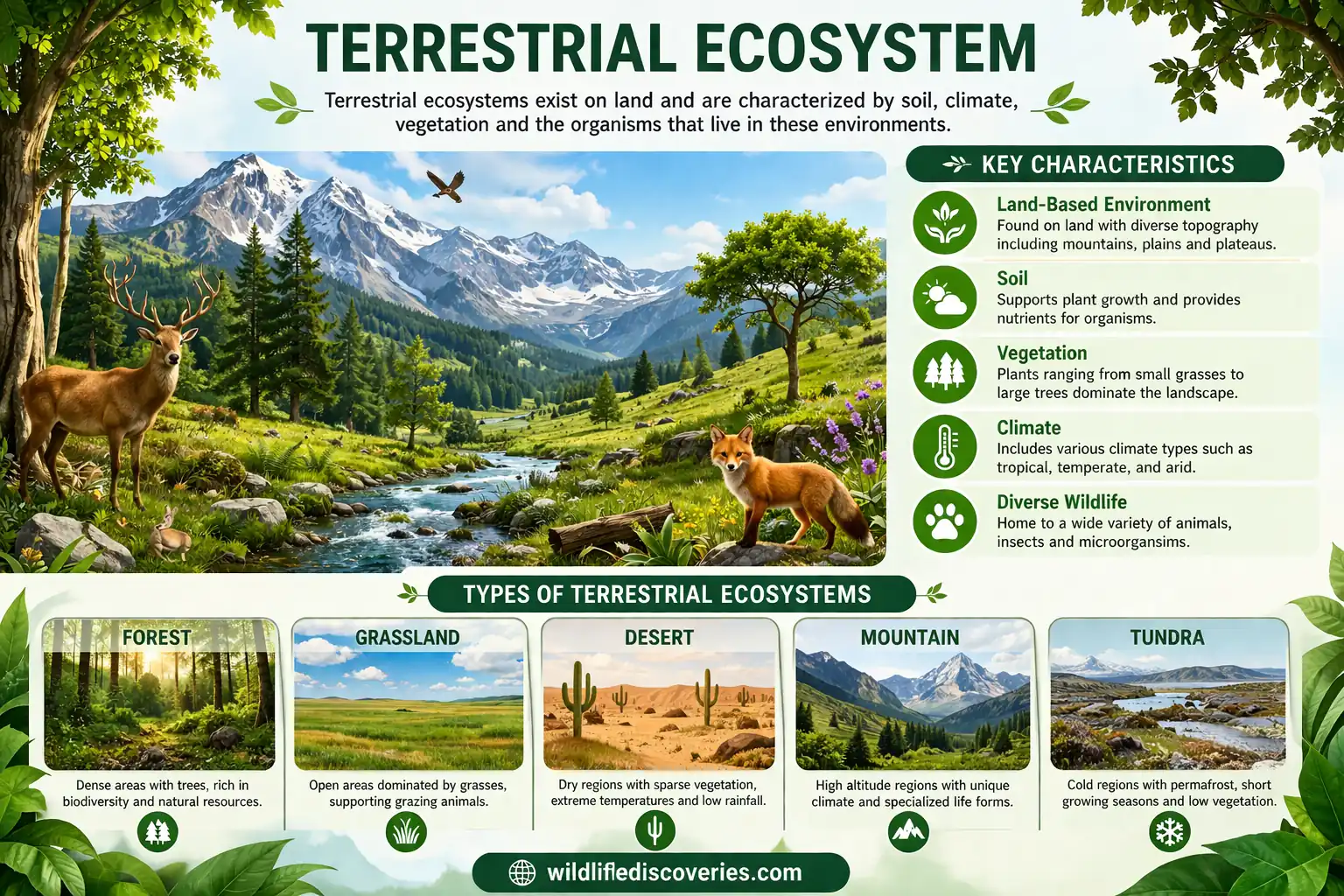
Terrestrial ecosystems are life-supporting communities found on continents and large landmasses, covering approximately 30% of the Earth’s surface. They are heavily influenced by temperature, precipitation, and latitude, and are characterized by their primary vegetation. The major taxa in terrestrial ecosystems include about 275,000 species of flowering plants, 900,000 species of insects, and roughly 4,100 species of mammals. These terrestrial environments are generally divided into forests, deserts, grasslands, and tundras.
Forest Ecosystems
Forests are dominated by trees and woody vegetation, covering nearly one-third of the planet’s land area and housing over 80% of the world’s terrestrial biodiversity. They are complex, multi-layered environments categorized by latitude, temperature, and precipitation into three major types:
Tropical Rainforests: Located near the equator in regions such as Southeast Asia, Sub-Saharan Africa (the Congo Basin), and South America (the Amazon), tropical rainforests experience consistently warm temperatures ranging from 68°F to 88°F. They are characterized by a complete absence of winter, governed instead by rainy and dry seasons. These forests receive persistent annual rainfall frequently exceeding 200 centimeters. Because of the intense rainfall, soils experience rapid decomposition and leaching, rendering them generally acidic and nutrient-poor. However, the incredibly rapid nutrient cycling driven by an army of decomposers allows these forests to boast unparalleled biodiversity; they house around 50% of the world’s plants and animals. Tropical rainforests feature distinct vertical layers—the emergent layer, canopy, understory, and forest floor—each hosting highly specialized species competing intensely for sunlight.
Temperate Forests: Found in mid-latitude regions, these forests are defined by their four distinct seasons and moderate, evenly distributed precipitation. Temperatures can range dramatically from -30°C to 30°C. The dominant flora includes both broad-leaved deciduous trees—which shed their leaves in winter to conserve water and survive freezing temperatures—and evergreen conifers. The annual shedding of leaves creates a thick, organic layer of litter on the forest floor, which decomposes over time to form incredibly rich, fertile soil, unlike the nutrient-poor soils of the tropics.
Boreal Forests (Taiga): The taiga represents the world’s largest terrestrial ecosystem, accounting for about 29% of global forests. Located between 50° and 60° North latitudes across North America and Eurasia, the taiga experiences extended, brutally cold winters where temperatures can drop to -30°C, and brief, mild summers. Up to 80% of these forests grow over permafrost—ground that remains permanently frozen all year. The growing season is the shortest of any forest type, lasting only about 130 days per year. Flora is dominated by needle-leaved, conical-shaped conifers (like pine, spruce, and fir) that are morphologically adapted to shed heavy snow and retain moisture in the freezing winds. Because the cold slows decomposition, boreal soils have a carbon turnover rate of about 50 years, making them exceptional long-term carbon sinks. Fire is a natural, necessary disturbance here, required for the regeneration of several key tree species.
Desert Ecosystems
Deserts are widely misunderstood; they are defined not strictly by high temperatures, but by extreme aridity. The primary abiotic determinant of a desert ecosystem is a severe shortage of available moisture, generally receiving less than 25 centimeters (about 10 inches) of rain per year. Desert biodiversity is comparatively low, but the species present possess extreme evolutionary adaptations for water conservation and thermal regulation.
Hot Deserts: Ecosystems like the Sahara in North Africa and the Mojave in the southwestern United States experience high daytime temperatures (averaging 38°C) that plummet rapidly at night (down to -3.9°C or lower) due to the lack of atmospheric humidity to trap heat. Flora, such as cacti, have evolved to store water internally and reduce transpiration through modified leaves, while employing deep or highly expansive root systems. Fauna consists mainly of reptiles, insects, and specific mammals that avoid heat through nocturnal behavior or subterranean burrowing.
Cold Deserts: Located at higher latitudes or elevations (e.g., the Gobi Desert or parts of Antarctica), cold deserts feature long, freezing winters and short, dry summers. Flora consists primarily of hardy mosses, lichens, liverworts, and drought-resistant shrubs like sagebrush and bitterbrush. Animals, such as wild yaks or mountain gazelles, face compounding challenges; they require both drought tolerance and physiological antifreeze or heavy insulation capabilities to survive the extended frost.
Coastal Deserts: Found along the western edges of continents, these deserts rely on dense coastal fog for moisture rather than traditional rainfall. Flora is uniquely adapted to absorb ambient moisture directly from the air and tolerate high soil salinity resulting from oceanic proximity.
Grassland Ecosystems
Grasslands are open, continuous, fairly flat landscapes dominated by various grass species, ranging from short grasses with deep roots (extending 1 meter down) to towering species reaching over two meters in height. Found on every continent except Antarctica, grasslands contain an estimated 25–35% of the world’s terrestrial carbon, primarily stored safely below ground as soil organic carbon (SOC).
Tropical Grasslands (Savannas): Found in regions like the African veldt, savannas feature warm temperatures year-round with highly distinct wet and dry seasons. They are characterized by a continuous grass layer interspersed with isolated trees. Savannas support massive herds of migratory ungulates and are maintained by intense grazing pressures and periodic natural fires.
Temperate Grasslands: Known as prairies in North America, pampas in South America, and steppes in Eurasia, these biomes endure harsh, cold winters and warm, dry summers. The above-ground grasses die back to their root systems annually, which protects the vital buds from winter freezing or dry conditions. Fire is an essential ecological disturbance here; routine prescribed burns prevent the encroachment of woody shrubs and invasive trees, cycle nutrients back into the soil, and stimulate the growth of diverse wildflowers that provide critical food for declining pollinator populations, such as monarch butterflies.
Tundra Ecosystems
The tundra is the coldest and one of the most hostile of all biomes. The word is derived from the Finnish term tunturia, meaning barren or treeless land. Covering roughly one-fifth of the Earth’s surface, the tundra is characterized by an absolute lack of trees, driven by short growing seasons, persistent desiccating winds, and cold soils that critically slow decomposition and nutrient cycling.
Arctic Tundra: Located in the high northern latitudes around the North Pole, the defining feature of the Arctic tundra is permafrost—a permanently frozen sublayer of soil. During the brief, chilly summer, only a shallow “active layer” (penetrating just 15 to 30 cm deep in the high Arctic) thaws. This incredibly thin layer of viable soil allows limited root growth for dwarf shrubs, sedges, cottongrass, sphagnum moss, and lichens. The impenetrable permafrost prevents deep root systems, effectively halting the growth of any woody trees. The landscape is often dotted with small lakes and strange geometric patterns known as patterned ground, forming circles and polygons due to extreme freeze-thaw dynamics.
Alpine Tundra: Found globally above the natural treeline on high-altitude mountains, the alpine tundra features similar cold-adapted dwarf vegetation but generally lacks a continuous permafrost layer, allowing for better drainage. Instead, high ultraviolet exposure, extreme wind abrasion, limited oxygen, and rugged topography shape the biological community.
Aquatic Ecosystems
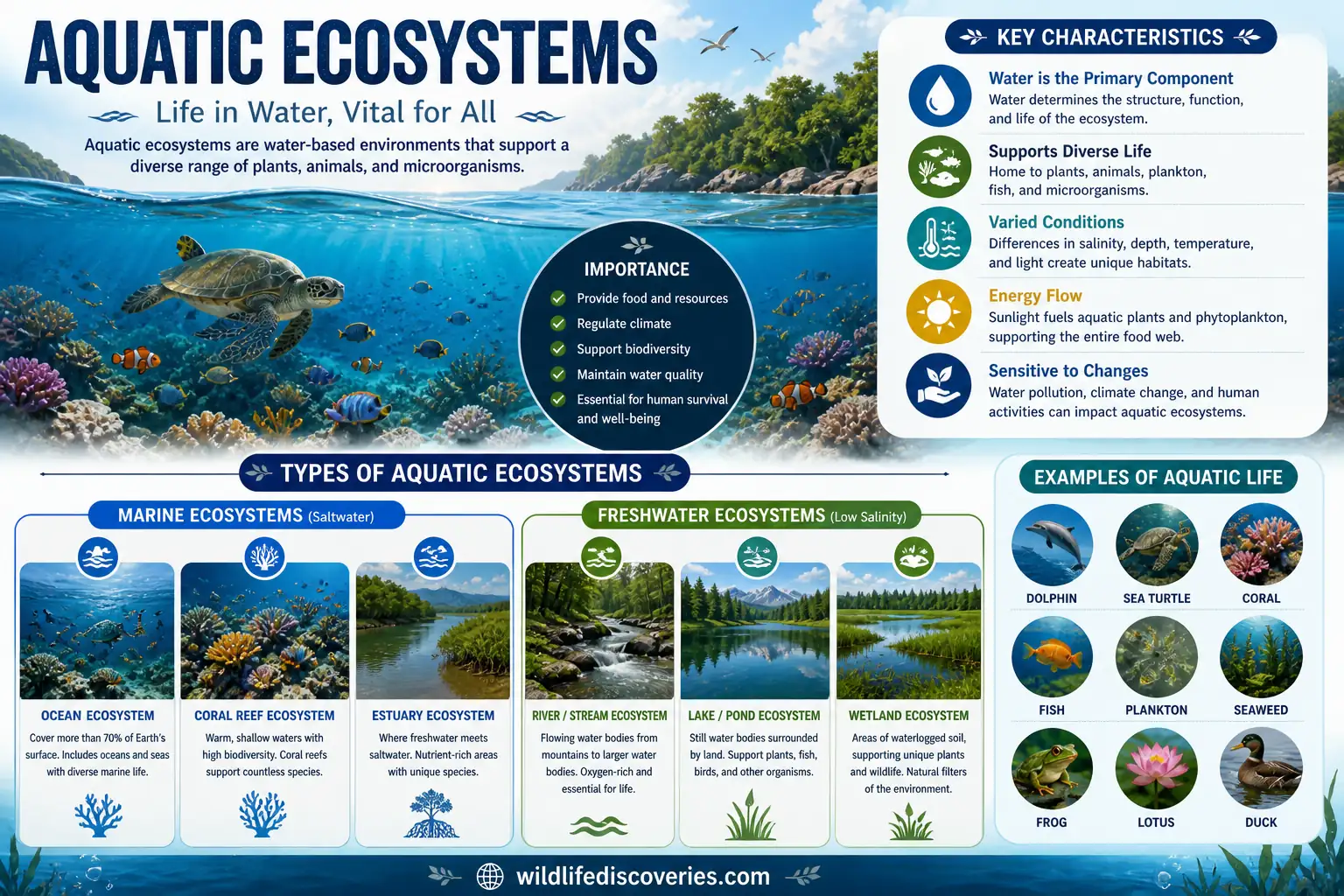
Aquatic ecosystems cover approximately 70% of the planet’s surface and are partitioned primarily by salinity levels, water depth, and hydrological flow.
Freshwater Ecosystems
Containing little or no salt (usually below 1% concentration), freshwater ecosystems are absolutely critical for terrestrial life and are divided into three main hydro-dynamic categories :
Lentic Systems (Lake and Pond Ecosystem) Still Water: Lentic ecosystems, derived from the Latin Lentus meaning slow, include lakes, ponds, reservoirs, and basin marshes where water is relatively stationary. These systems develop complex thermal and oxygen stratification, meaning different species inhabit different depths based on temperature and light availability. Deep lakes feature a littoral zone (the shallow, sunlit, highly productive shoreline where rooted plants thrive), a limnetic zone (open sunlit surface waters rich in phytoplankton and zooplankton), a profundal zone (colder, dark, dense waters where photosynthesis ceases), and a benthic zone (the bottom sediment layer where decomposers feed on descending organic detritus). Because of their long residence times, lentic waters are highly susceptible to nutrient loading and subsequent eutrophication.
Lotic Systems (Flowing Water): Rivers, streams, creeks, and brooks represent lotic ecosystems. The continuous, kinetic movement of water prevents severe thermal stratification, ensuring a well-mixed, highly oxygenated water column. Organisms living in fast-moving riffles possess distinct morphological adaptations to adhere to rocks, while specific fish species utilize deeper pools and slower edgewaters to school and feed on drifting aquatic insects.
Wetlands: Wetlands are vital ecological transition zones where the soil is saturated or inundated for at least part of the time. Plants residing here must adapt to harsh anaerobic (low oxygen) soil conditions, often developing specialized internal tissues like aerenchyma to transport oxygen down to their submerged roots. Wetlands are vital ecological filters; they remove up to 90% of sediments and agricultural nitrogen from water, preventing harmful algal blooms downstream.
Marine Ecosystems
Marine ecosystems possess high salt concentrations and represent the largest, most voluminous aquatic habitat on Earth. They are vastly complex and are zoned by depth, light penetration, and distance from the shore:
Open Ocean (Pelagic and Oceanic Zones): The vast, deep expanses of the open ocean where massive marine mammals, pelagic fish like sharks and tuna, and immense, life-sustaining clouds of phytoplankton reside.
Benthic and Abyssal Zones: The ocean floor, ranging from shallow continental shelves plunging down to pitch-black abyssal trenches. In the deepest zones, where sunlight cannot penetrate, unique, alien-like ecosystems form around hydrothermal vents, powered entirely by chemosynthetic sulfur bacteria rather than photosynthetic plants. To truly grasp the diversity of biological strategies employed here, one must ask what are the classification of animals? The answers reveal extreme adaptations in invertebrate and vertebrate physiology required to survive crushing pressures and absolute darkness.
Estuaries and Mangroves: Estuaries are highly dynamic areas where freshwater rivers meet the saltwater ocean. Mangrove forests thrive in these brackish coastal fringes. Mangrove trees feature specialized root systems (pneumatophores) that grow upward out of the anaerobic mud to access atmospheric oxygen. They serve as essential, protected nurseries for small fish, crabs, and crustaceans, and drastically reduce incoming storm surge wave energy by up to 95% over the first 100 meters, physically protecting coastlines.
Coral Reefs: Despite covering a mere 0.2% of the seafloor, coral reefs support at least 25% of all known marine species, successfully rivaling the immense biodiversity of tropical rainforests. Healthy reefs absorb up to 97% of a wave’s energy, providing critical shoreline protection against erosion and cyclones. The global economic value of coral reef services—including fisheries, tourism, and medicinal compounds—is estimated at an astounding $9.9 trillion globally.
Key Characteristics of Ecosystems
Regardless of geographic location or specific climatic conditions, all different types of ecosystems and characteristics share underlying structural and functional rules that dictate their continuous operation.
Biotic vs Abiotic Interactions
Ecosystems function through the constant, reciprocal interplay of living (biotic) organisms and non-living (abiotic) elements. Abiotic factors—such as temperature gradients, soil pH, prevailing winds, and solar radiation—set the harsh physical parameters within which life must adapt. In turn, biotic components actively and permanently modify the abiotic environment. For example, extensive tree roots prevent soil erosion, and photosynthetic plants fundamentally alter the atmospheric concentration of oxygen and carbon dioxide. As humans observe and interact with these biotic communities, complex ethical frameworks emerge. Understanding the difference between animal rights and animal welfare is crucial in modern conservation biology, as it directly guides the ethical management of wildlife populations and the human mitigation of anthropogenic abiotic stressors like industrial pollution.
Energy Flow and the 10% Rule
The fundamental, driving source of energy for almost all terrestrial and shallow aquatic ecosystems is radiant energy from the sun. The flow of this energy is strictly unidirectional, governed by immutable thermodynamic laws.
Autotrophs (producers) capture solar energy and convert it into chemical energy via photosynthesis. The total amount of carbon fixed by these producers is the Gross Primary Production (GPP). However, plants must use much of this energy to power their own cellular respiration. The remaining chemical energy stored as organic biomass is the Net Primary Production (NPP), which becomes available to the next trophic level.
When herbivores consume plants, and carnivores consume herbivores, energy is transferred up the chain. However, ecological efficiency is notoriously low. According to the “10% rule,” only about 10% of the energy from one trophic level is successfully incorporated into the biological biomass of the next. The remaining 90% is expended on necessary metabolic processes, cellular respiration, reproduction, and heat loss to the environment. Because of this massive, compounding energy loss, apex predators are always significantly fewer in number than primary producers, forming a distinct, tapering ecological energy pyramid.
Table: Trophic Levels and The 10% Rule in an Aquatic Ecosystem
| Trophic Level | Organism Example | Definition | Available Energy (Example) |
| Producers | Phytoplankton, Submerged Vegetation | Organisms that make their own food via photosynthesis. | 100,000 Joules |
| Primary Consumers | Zooplankton, Benthic Invertebrates | Herbivores that eat producers. | 10,000 Joules |
| Secondary Consumers | Small Fish, Herbivorous Ducks | Carnivores/Omnivores that eat primary consumers. | 1,000 Joules |
| Tertiary Consumers | Large Fish, Wading Birds | Carnivores that eat secondary consumers. | 100 Joules |
| Apex Predators | Osprey, Bald Eagle | Top predators with no natural predators. | 10 Joules |
Food Chains and Food Webs
Organisms are strictly categorized by their feeding relationships. Rather than existing as simple, linear chains, these relationships form highly complex, interwoven, and nested networks called food webs. These webs ensure that the temporary removal of one prey species does not instantly collapse the entire system, as predators can shift their feeding habits to alternate sources. Decomposers, such as fungi and bacteria, represent the final, crucial step in these webs; they break down organic waste and dead tissue, releasing locked nutrients back into the soil to be absorbed by producers, thereby restarting the cycle.
Balance and Stability: Resilience, Resistance, and Succession
Ecosystem stability is technically measured by two distinct, highly studied metrics: resistance and resilience. Resistance is an ecosystem’s innate ability to withstand an initial, acute disturbance without significantly changing its core structure or function. Resilience, conversely, is the capacity of the system to recover, reorganize, and return to its initial state after the severe damage has already occurred. Systems boasting high biodiversity tend to exhibit high functional redundancy, which bolsters resistance, and complementarity, which bolsters resilience.
When a severe disturbance completely clears a landscape (such as a massive wildfire, lava flow, or glacial retreat), the ecosystem undergoes a predictable, directional process known as ecological succession.
Primary Succession: Begins on lifeless rock or newly formed land, spearheaded by hardy pioneer species like lichens that slowly secrete acids to break down rock and form the initial layer of soil.
Secondary Succession: Occurs when a disturbance destroys the existing community but leaves the nutrient-rich soil intact, allowing for rapid, aggressive recolonization by fast-growing plants.
Over centuries, these progressive, successional shifts (known as seral stages) may ultimately lead to a mature, highly diverse, and self-perpetuating climax community that exists in dynamic, long-term equilibrium with the local climate.
Real-World Examples
To thoroughly analyze and conceptualize the different types of ecosystems and characteristics, examining specific, real-world biomes provides vital ecological context.
The Yellowstone Trophic Cascade
In 1995 and 1996, 31 gray wolves were reintroduced to Yellowstone National Park after a 70-year absence. As apex predators, the wolves initiated one of the most famous trophic cascades in modern ecological history. Their localized predation actively altered the foraging behavior of the park’s elk, preventing them from lazily overgrazing open valleys and fragile riverbanks.
This behavioral shift allowed riparian vegetation, particularly vital willow and aspen stands, to rapidly recover. Data from a comprehensive 20-year study (2001–2020) revealed a staggering ~1500% increase in average willow crown volume, showcasing a trophic cascade log10 ratio of 1.21. The restored, deep-rooted vegetation stabilized the riverbanks, decreased soil erosion, and provided necessary habitat for returning beaver and songbird populations, fundamentally altering the park’s physical hydrology.
The Serengeti Migration
The Serengeti-Mara ecosystem in East Africa is defined by the epic annual migration of over one million wildebeests, half a million gazelles, and hundreds of thousands of zebras. This massive movement across a 40,000 square kilometer mosaic of grassland habitats is driven by shifting rainfall patterns and the search for highly nutritious, short-grass forage. Traveling an average of 10 kilometers a day, this migration facilitates immense energy flow and nutrient cycling across the biome. For example, mass wildebeest drownings during perilous river crossings provide massive, long-term nutrient subsidies to the Mara River’s aquatic ecosystem, driving local biogeochemical cycling. Furthermore, the intense grazing pressure prevents the over-accumulation of dry plant matter, reducing the severity of inevitable savanna fires.
The Sundarbans Mangrove Forest
Spanning the delta of the Ganges, Brahmaputra, and Meghna rivers across India and Bangladesh, the Sundarbans is one of the world’s largest continuous mangrove forests, covering over 140,000 hectares. It is a prime example of an ecotone, seamlessly transitioning from terrestrial freshwater swamps to saline marine environments. The ecosystem supports the globally endangered Royal Bengal tiger, estuarine crocodiles, and over 400 distinct species of fish. The flagship species of the region is the Heritiera fomes mangrove tree. However, the biome faces intense existential threats from climate-driven sea-level rise; conservative scientific estimates suggest that a mere 280-millimeter rise could submerge vast tracts of habitat, making the fragmented area completely nonviable for apex predators by the year 2100.
The Amazon Rainforest
The Amazon represents the absolute apex of global terrestrial biodiversity, containing an estimated 30% of the planet’s known flora and fauna. Its sheer ecological wealth is continuously revealing new secrets; for instance, in 2024, researchers at the Manu Biological Station discovered an entirely new species of sandfly, Trichophoromyia macrisae, providing critical insights into disease transmission.
However, between 2001 and 2020, the biome lost over 54.2 million hectares to deforestation, primarily driven by agricultural expansion. In 2024 alone, intense drought and climate change-induced fires exacerbated the destruction of primary humid forests. Experts utilizing optimistic, moderate, and pessimistic scenarios warn that continued degradation could rapidly push the rainforest past a climatic “tipping point,” transforming it into a dry savanna and permanently altering global carbon cycles.
The Great Barrier Reef
Located off the northeastern coast of Australia, the Great Barrier Reef is a massive, interconnected network of complex marine habitats renowned for outstanding biodiversity. However, it is currently experiencing unprecedented ecological stress. Between August 2024 and May 2025, rigorous surveys conducted by the Australian Institute of Marine Science (AIMS) revealed that 48% of the reef system underwent a significant decline in coral cover. This severe degradation is driven primarily by prolonged marine heatwaves causing mass coral bleaching, compounded heavily by physical cyclone damage and predation from outbreaks of the crown-of-thorns starfish. The loss of structural complexity directly impacts the thousands of fish and invertebrate species that rely on the reef’s architecture for shelter and sustenance.
Threats to Ecosystems
Global ecosystems are currently facing degradation at rates entirely unprecedented in human history. The delicate, mathematically precise balance of energy flow and nutrient cycling is easily disrupted by severe anthropogenic forces.
Climate change is dramatically shifting temperature and precipitation patterns, causing mass mortality events, altering the seasonal timing of river flows and snowmelts, and forcing terrestrial species to migrate to higher altitudes or latitudes. In aquatic ecosystems, rising concentrations of atmospheric CO2 lead directly to ocean acidification. A lower pH reduces the ability of corals to calcify and build their rigid skeletal structures, halting the expansion of reef habitats and accelerating their dissolution.
Habitat destruction, primarily driven by land conversion for food production, continues to decimate terrestrial biodiversity. In 2024, the world witnessed a record-shattering loss of 6.7 million hectares of primary tropical rainforest—a rate equivalent to 18 football fields disappearing every single minute. This devastation results in highly fragmented habitats that can no longer support wide-ranging species. To truly comprehend the permanent severity of these losses, one must examine animal extinctions: how many species are extinct? due directly to human interference and habitat obliteration. Furthermore, invasive alien species introduced through global trade networks systematically outcompete native flora and fauna, contributing to 60% of all recent species extinctions and causing over $423 billion in global economic damage annually.
Importance of Ecosystems for Human Societies
Human survival, public health, and global economic stability are inextricably tied to the continued, uninterrupted functionality of diverse ecosystems. Intact biomes provide a wealth of natural capital that is often heavily undervalued until it is permanently lost.
Economically, marine and coastal ecosystems sustain massive industries. In the United States alone, commercial and recreational fisheries dependent on healthy coral reefs generate hundreds of millions of dollars, while global reef-related tourism, flood protection, and services total trillions of dollars in value. Terrestrial forests dictate local weather patterns by moving vast quantities of water from the soil into the atmosphere through transpiration, effectively generating their own rain and sustaining regional agriculture.
Public health heavily relies on ecosystem biodiversity. Over 28,000 plant species have documented medicinal uses, and soil microorganisms are the original biological source for many critical antibiotics, including penicillin. Additionally, the protective physical barriers provided by healthy ecosystems—such as mangrove roots mitigating storm surges and riparian buffers slowing floodwaters—avert billions of dollars in infrastructure damage annually. Around the globe, animal welfare organizations around the world frequently highlight how protecting natural habitats not only saves wildlife but fundamentally secures the livelihoods, safety, and cultural heritage of indigenous and coastal human communities.
How We Can Protect Ecosystems
Urgent, highly coordinated action across global, national, and local scales is required to halt ecosystem degradation. Modern conservation science emphasizes moving beyond mere passive preservation to active, aggressive ecological restoration.
At the international policy level, the Kunming-Montreal Global Biodiversity Framework (KMGBF) sets ambitious, legally binding targets to halt biodiversity loss. Target 3 of the framework specifically urges the protection and sustainable management of at least 30% of the world’s terrestrial, inland water, and coastal areas by 2030 (the “30×30” goal). Indigenous peoples, who actively manage lands containing nearly 40% of all protected areas globally, are rightfully recognized as the most crucial stakeholders in achieving these goals.
On a national level, agricultural and land-use policies play a major role. In the United States, Farm Bill conservation programs provide powerful financial incentives for private landowners to manage their property in ways that enhance wildlife habitat, improve water quality, and sequester carbon. Active management interventions—such as the targeted reintroduction of apex predators, controlled prescribed burns to restore natural grassland fire regimes, and the strict enforcement of anti-poaching laws—are critical. Individuals wishing to contribute to these massive efforts often ask what can we do to protect endangered animals?, and the answer invariably includes supporting sustainable global supply chains, advocating for robust, science-based environmental policies, and directly funding localized habitat restoration projects.
FAQs
1. What is the definitive difference between a biome and an ecosystem? An ecosystem is a biological community interacting with its physical environment, which can exist at any given scale, from a single tide pool to a sprawling forest. A biome, however, is a much larger, regional geographic classification—such as a tropical rainforest, savanna, or tundra—that contains many distinct but similar ecosystems sharing comparable climatic conditions and dominant vegetation structures.
2. What are the main types of terrestrial ecosystems? Terrestrial ecosystems are generally categorized into four major types based on climate, precipitation, and vegetation: Forests (Boreal, Temperate, Tropical), Deserts (Hot, Cold, Coastal), Grasslands (Savanna, Temperate), and Tundras (Arctic, Alpine).
3. How does energy physically move through an ecosystem? Energy flows strictly unidirectionally from the sun to producers (plants and algae), and then up through various consumer trophic levels. Due to the thermodynamic constraints of the 10% rule, approximately 90% of energy is lost as heat or used for basic cellular metabolism at each transfer, meaning apex predators receive only a tiny fraction of the initial solar energy captured by the system.
4. Why are wetlands considered so ecologically important? Wetlands act as massive, natural water filtration systems, effectively removing up to 90% of agricultural sediments and nitrogen from the water column before it reaches the ocean. They also drastically attenuate flooding, provide crucial protected nurseries for aquatic life, and store massive amounts of carbon within their thick, saturated, anaerobic soils.
5. What is ecological succession? Ecological succession is the predictable, directional process by which the species composition of a biological community changes and evolves over time following a disturbance. Primary succession occurs on newly formed, lifeless rock, while secondary succession occurs where fertile soil remains after an event like a forest fire, ultimately leading to a stable climax community.
6. What are abiotic and biotic factors? Biotic components are all the living organisms within a system, including plants, animals, fungi, and bacteria. Abiotic components are the non-living physical and chemical elements that dictate the environment, such as sunlight, temperature fluctuations, soil composition, pH, and water flow.
7. How do coral reefs directly benefit humans? Beyond their immense, rainforest-level biodiversity, coral reefs absorb up to 97% of incoming wave energy, protecting billions of dollars in coastal property from erosion and severe storms. They also support multi-billion dollar commercial fishing and tourism industries, and contain unique organisms critical for future pharmaceutical and medicinal discoveries.
Conclusion
The Earth’s biosphere is an impossibly intricate tapestry woven from countless distinct, overlapping habitats. From the frozen, wind-scoured expanse of the Arctic tundra to the bustling, hyper-competitive canopy of the tropical rainforest, the different types of ecosystems and characteristics demonstrate nature’s unparalleled ability to adapt, evolve, and sustain life under diverse extremes. These ecosystems do not function in isolation; the migration of species across continents, the flow of rivers to the sea, and the global cycling of carbon and water physically connect the deep, lightless ocean floor to the highest alpine peaks.
However, current ecological data unequivocally indicates that the structural integrity of these natural systems is faltering under the heavy weight of unprecedented anthropogenic stress. The massive, accelerating loss of primary forests, the widespread thermal bleaching of ancient coral reefs, and the draining of critical wetlands are actively dismantling the ecological foundations that support global climate stability and, ultimately, human survival. Protection and aggressive restoration are no longer optional environmental ideals; they are absolute, immediate imperatives. Securing a viable future requires a monumental paradigm shift—one that recognizes the intrinsic value of natural biodiversity and aggressively implements science-driven conservation policies to ensure the resilience of the planet’s irreplaceable life-support systems for generations to come.