Introduction
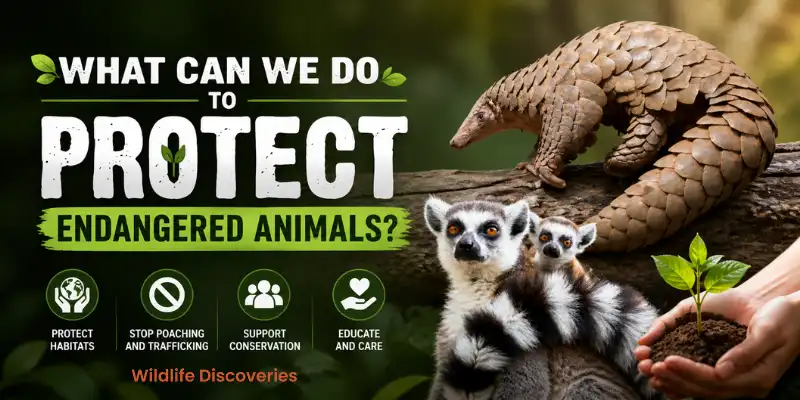
Endangered animals are disappearing at an alarming rate, and the question “What Can We Do to Protect Endangered Animals” is more important today than ever before. From habitat destruction to climate change and illegal poaching, multiple threats are pushing wildlife toward extinction. If we don’t act now, future generations may only see many species in pictures or history books.
Understanding what can be done is not just the responsibility of governments or organizations—it’s something individuals, communities, and businesses all need to contribute to.
Understanding Why Animals Become Endangered?
Before answering what can we do to protect endangered animals, it’s essential to understand why animals become endangered in the first place. Many species face threats due to human activities, and these threats often overlap, making survival even harder for wildlife.
Habitat destruction is one of the biggest reasons. Forests are cleared for agriculture, urban development, and infrastructure projects, leaving animals without homes. Pollution, whether in the air, water, or soil, also harms ecosystems and directly impacts animal health. Climate change further worsens the situation by altering natural habitats and weather patterns.
Major Causes of Endangerment
Human actions are at the center of most environmental issues affecting wildlife. Hunting and illegal wildlife trade reduce populations rapidly, especially for animals valued for their skin, horns, or other body parts. Additionally, invasive species introduced by humans disrupt natural ecosystems.
Another critical issue is lack of awareness. Many people are simply unaware of how their daily choices affect wildlife. This makes education and awareness a key part of conservation.
Key causes include:
- Habitat loss due to deforestation and urbanization
- Illegal poaching and wildlife trafficking
- Climate change and global warming
- Pollution and environmental degradation
- Overexploitation of natural resources
Impact on Ecosystems
When a species becomes endangered, it doesn’t just affect that one animal—it disrupts the entire ecosystem. Every species plays a role in maintaining ecological balance, and losing one can trigger a chain reaction.
For example, predators help control prey populations, while pollinators like bees support plant growth. Without these roles being fulfilled, ecosystems weaken and may collapse over time. This is why understanding what can we do to protect endangered animals is directly linked to preserving the environment as a whole.
What Can We Do to Protect Endangered Animals at an Individual Level?
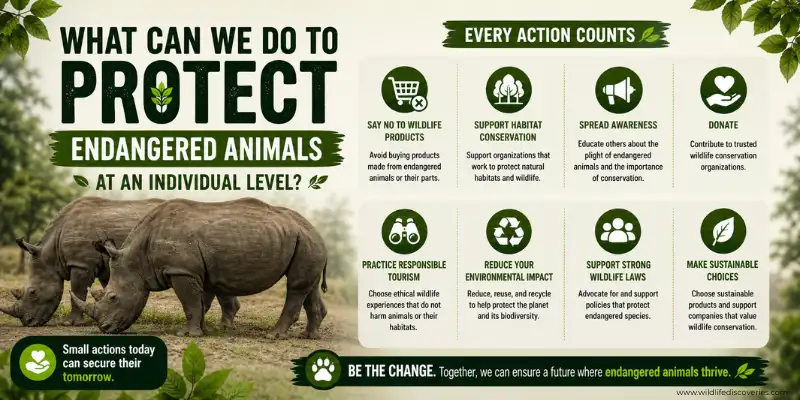
Many people believe that only governments or large organizations can make a difference, but individual actions matter more than we often realize. When millions of people make small changes, the collective impact becomes powerful.
Living responsibly and making eco-friendly choices can reduce the pressure on natural habitats. Simple actions like reducing plastic use, conserving water, and supporting sustainable products can help protect ecosystems where endangered animals live.
Everyday Actions That Make a Difference
Daily habits can significantly influence wildlife conservation. For instance, reducing waste helps minimize pollution, which can harm animals directly or indirectly through food chains.
Another effective approach is supporting ethical tourism. Avoid attractions that exploit animals, such as shows or rides that involve wildlife. Instead, choose experiences that respect animals in their natural habitats.
Practical steps you can take:
- Use reusable products instead of single-use plastics
- Support eco-friendly and sustainable brands
- Avoid products made from endangered animals
- Reduce energy consumption to lower carbon footprint
- Spread awareness through social media and conversations
Supporting Conservation Efforts
Donating to conservation programs or volunteering your time can directly contribute to protecting endangered species. Many organizations work on the ground to rescue animals, restore habitats, and enforce wildlife protection laws.
Even small contributions can help fund important initiatives like anti-poaching patrols, wildlife rehabilitation, and habitat restoration projects. This is another powerful answer to what can we do to protect endangered animals.
Role of Governments and Policies
While individual efforts are crucial, large-scale change requires strong government policies and enforcement. Laws and regulations play a vital role in protecting endangered species and their habitats. Governments can establish protected areas such as national parks and wildlife reserves where human activities are limited. They can also enforce strict penalties for poaching and illegal trade.
Wildlife Protection Laws
Different countries have laws aimed at conserving wildlife, but their effectiveness depends on proper implementation. Strong legal frameworks can significantly reduce threats to endangered animals.
For example, banning the trade of animal products like ivory or fur helps decrease demand, which in turn reduces poaching activities. Governments must also collaborate internationally to tackle global wildlife crimes.
Conservation Programs and Initiatives
Governments often work with organizations to launch conservation programs. These programs may include breeding endangered species in captivity and reintroducing them into the wild.
They also focus on restoring ecosystems, planting trees, and protecting natural habitats. Such initiatives are essential when considering what can we do to protect endangered animals on a larger scale.
Examples of government actions:
| Action Type | Description | Impact |
|---|---|---|
| Protected Areas | National parks and wildlife reserves | Safeguards natural habitats |
| Anti-Poaching Laws | Strict penalties for illegal hunting | Reduces wildlife crime |
| Conservation Funding | Financial support for wildlife programs | Enables large-scale efforts |
| Climate Policies | Reducing emissions and environmental damage | Protects ecosystems long-term |
Importance of Community Involvement
Local communities play a crucial role in wildlife conservation. When people living near forests and natural habitats are involved, conservation efforts become more sustainable and effective.
Communities often depend on natural resources for their livelihood. By providing alternative income sources, such as eco-tourism or sustainable farming, pressure on wildlife can be reduced.
Educating and Empowering Communities
Education is key to long-term conservation. When communities understand the importance of biodiversity, they are more likely to protect it.
Workshops, awareness campaigns, and school programs can help people learn about endangered species and how to coexist with them responsibly. This approach directly contributes to solving the problem of what can we do to protect endangered animals.
Sustainable Livelihood Options
Providing alternative livelihoods reduces dependency on activities that harm wildlife, such as hunting or deforestation. Eco-tourism is one such option where communities benefit financially while protecting nature.
Community-based solutions include:
- Promoting eco-tourism initiatives
- Encouraging sustainable agriculture
- Supporting local conservation groups
- Creating wildlife-friendly businesses
Importance of Legal Frameworks for Animal Protection
Strong laws and regulations are essential for protecting endangered species. Without proper legal frameworks, it becomes difficult to control activities like poaching, illegal trade, and habitat destruction. Governments play a major role in enforcing these laws and ensuring compliance.
From a global perspective, “Animal Welfare Acts Around the World” show how different countries have developed policies to safeguard wildlife. These acts are designed to reduce harm to animals and create accountability for those who violate conservation laws.
Key Elements of These Laws
Animal protection laws typically include strict penalties for illegal hunting and trading. They also ensure that animals in captivity are treated humanely and provided with proper care.
Effective implementation of these laws can significantly improve the survival rates of endangered species. This is why legal systems are a crucial part of answering what can we do to protect endangered animals.
Need for Global Cooperation
Since many species migrate across borders, international cooperation is necessary for their protection. Countries work together through agreements and treaties to regulate wildlife trade and preserve biodiversity.
Such collaboration strengthens conservation efforts and ensures that endangered animals are protected regardless of geographical boundaries.
Role of Global Organizations in Wildlife Protection
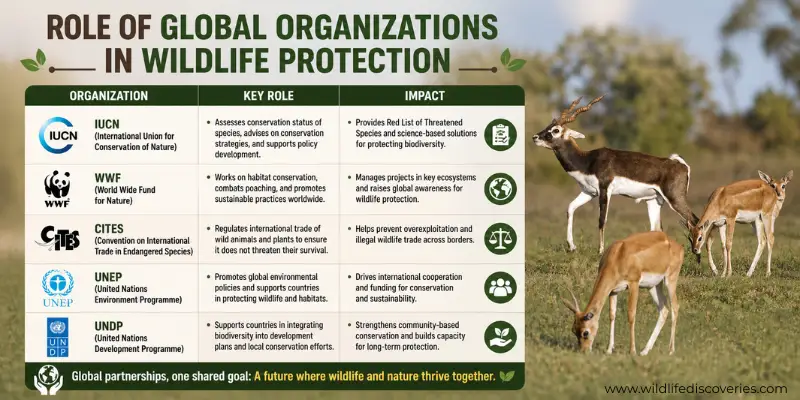
Protecting endangered species is not limited to one country or region; it is a global responsibility that requires coordinated efforts. Around the world, many organizations are actively working to conserve wildlife through research, rescue missions, and awareness campaigns. When we think about what can we do to protect endangered animals, understanding the role of these organizations becomes essential.
Across different regions, the idea of “Animal Welfare Organizations Around the World” highlights how various groups collaborate to protect endangered species. These organizations operate on the ground, working to prevent poaching, rehabilitate injured animals, and restore natural habitats. Their efforts are critical in maintaining biodiversity and ensuring that endangered species have a chance to survive.
Contribution of International NGOs
International NGOs play a significant role in wildlife conservation by conducting scientific research and tracking animal populations. This helps in developing effective strategies for protecting endangered species and ensuring their long-term survival.
They also focus heavily on raising awareness. Through campaigns and educational programs, people are informed about how their daily actions impact wildlife. This directly connects to the question of what can we do to protect endangered animals, as awareness often leads to responsible behavior and meaningful change.
How You Can Support Them?
Individuals can support these organizations in multiple ways, even without being directly involved in fieldwork. Small contributions can collectively make a big difference in conservation efforts.
Ways to support:
- Donating funds
- Volunteering time
- Participating in campaigns
- Sharing awareness online
Practical Ways to Care for Animals Around You
Wildlife conservation is not limited to forests or protected areas; it can begin right at home. Everyday actions can have a meaningful impact on animals and their environment. Small, consistent efforts can contribute to larger conservation goals.
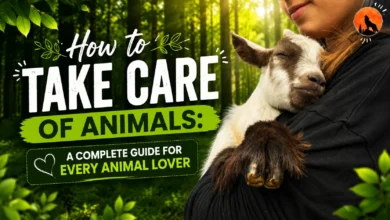
In simple terms, the idea behind “How Can You Take Care of Animals” encourages individuals to act responsibly toward all living beings. Whether it’s pets or local wildlife, taking care of animals reflects a broader commitment to environmental sustainability.
Responsible Behavior Towards Animals
Responsible behavior includes treating animals with care, respect, and compassion. For pet owners, this means providing proper food, shelter, and medical attention.
It also involves ensuring that pets do not harm local wildlife. For example, keeping pets under supervision can prevent unnecessary harm to birds or small animals.
Supporting Local Ecosystems
Creating a wildlife-friendly environment can help local species thrive. Simple steps can make a noticeable difference in supporting biodiversity around you.
Simple actions include:
- Setting up bird feeders
- Avoiding harmful pesticides
- Planting native trees and plants
- Supporting local animal shelters
Why Conservation Matters More Than Ever?
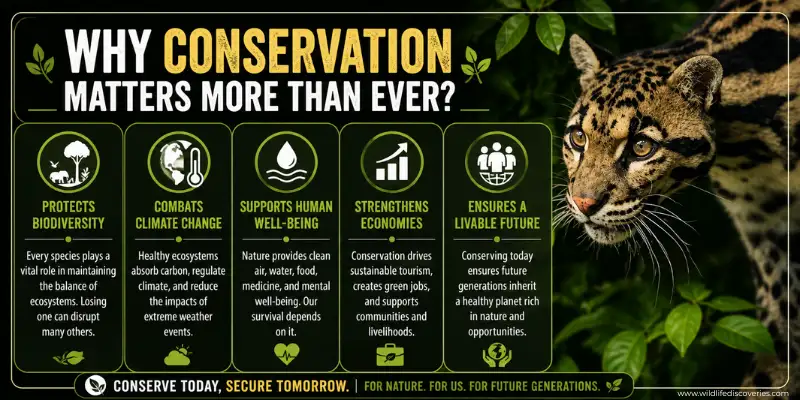
Wildlife conservation has become increasingly important due to rising environmental challenges such as climate change, pollution, and habitat destruction. These factors are putting immense pressure on ecosystems and the species that depend on them.
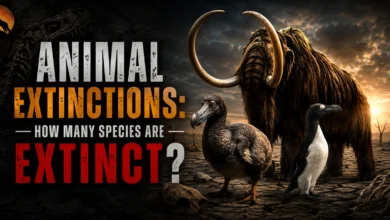
The consequences of inaction are already visible — 5 animals have already gone extinct in India alone, and many more are on the brink.
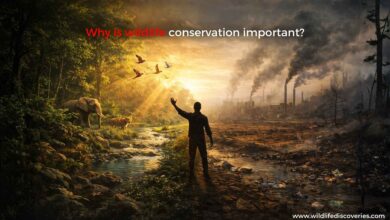
From a broader perspective, “Why Is Wildlife Conservation Important“ is a question that highlights the connection between human survival and environmental health. Protecting wildlife is not just about saving animals—it’s about maintaining the balance of nature.
Ecological Importance
Every species plays a unique role in its ecosystem. The loss of even one species can disrupt food chains and ecological processes, leading to long-term environmental damage. Healthy ecosystems provide essential resources such as clean air, water, and fertile soil, which are vital for human life.
Long-Term Benefits
Conservation efforts ensure that future generations can experience the richness of biodiversity. It also supports economic activities like tourism and contributes to scientific advancements.
Key benefits:
| Benefit | Explanation |
|---|---|
| Ecosystem Balance | Maintains natural stability |
| Biodiversity | Preserves variety of species |
| Economic Growth | Supports jobs and tourism |
| Scientific Value | Aids research and innovation |
Conclusion
The question “What Can We Do to Protect Endangered Animals” does not have a single answer—it requires a combination of efforts at individual, community, and global levels. From making eco-friendly choices to supporting conservation programs and enforcing strong laws, every action counts.
Protecting endangered animals is not just about saving species; it’s about preserving the delicate balance of life on Earth. If we act responsibly today, we can ensure a safer and healthier planet for future generations.
FAQ (Frequently Asked Questions)?
Q.1. What causes animals to become endangered?
Habitat destruction, climate change, pollution, and poaching are the main causes.
Q.2. How can students help protect animals?
Students can spread awareness, reduce waste, and participate in conservation activities.
Q.3. Are zoos helpful for endangered species?
Some zoos support breeding and conservation programs, but ethical standards are important.
Q.4. What is wildlife conservation?
It is the practice of protecting animals and their natural habitats.
Q.5. How long does it take to save a species?
It can take years or even decades depending on the species and conservation efforts.


One Comment