World Wildlife Day 2026: Why We Must Act Now to Save Nature
Protecting Nature, Preserving Life

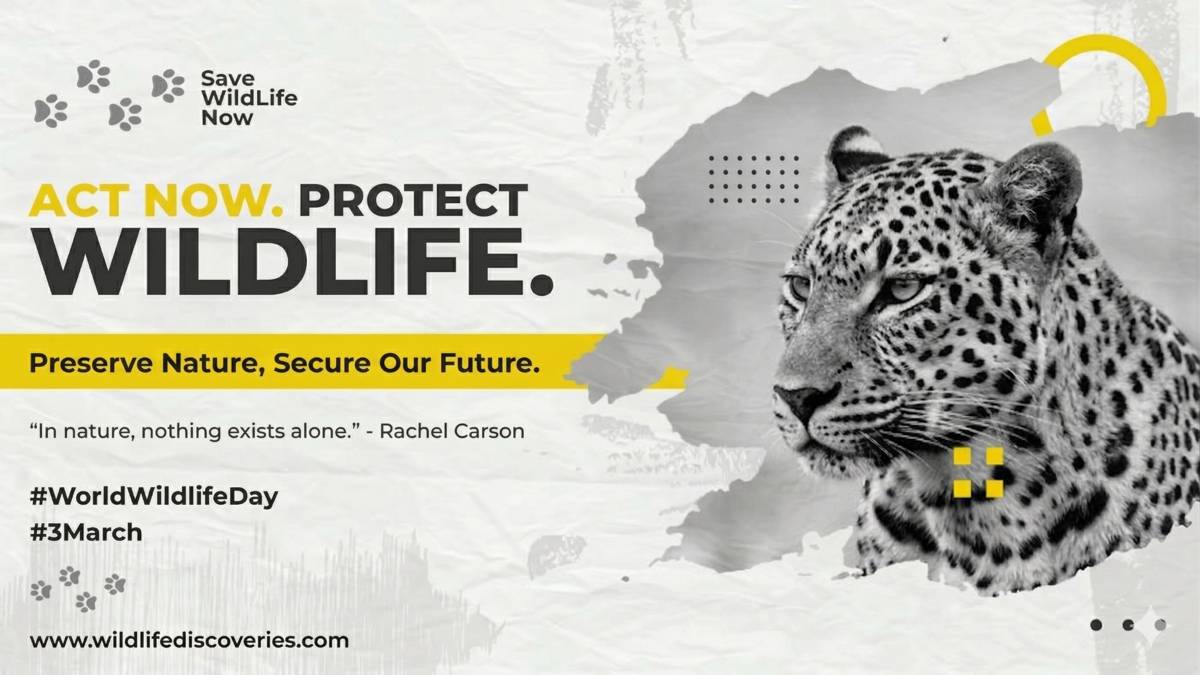
The rhythmic roar of a lion across the Savannah, the silent glide of a green sea turtle through coral reefs, and the intricate bloom of a medicinal orchid in the Himalayas are all threads in the vibrant tapestry of life. Every year on March 3rd, the global community pauses to celebrate World Wildlife Day, a day dedicated to the stunning diversity of our planet’s wild fauna and flora. But beyond the celebration, this day serves as a stark reminder of our responsibility as stewards of the Earth.
In 2026, the stakes have never been higher. With biodiversity loss accelerating and the climate crisis intensifying, understanding the urgency of wildlife conservation is no longer optional—it is a matter of survival for both nature and humanity. In this comprehensive guide, we explore the history, themes, and critical actions needed to protect our world’s most vulnerable species.
Saving our planet’s biodiversity requires us to stay updated with the most recent environmental challenges and success stories. To understand the specific focus and initiatives being highlighted this year, it’s important to look at the latest global updates. You can explore the detailed theme and recent findings in our post about the World Wildlife Day 2026 wildlife discovery to see how conservation efforts are evolving.
What is World Wildlife Day?
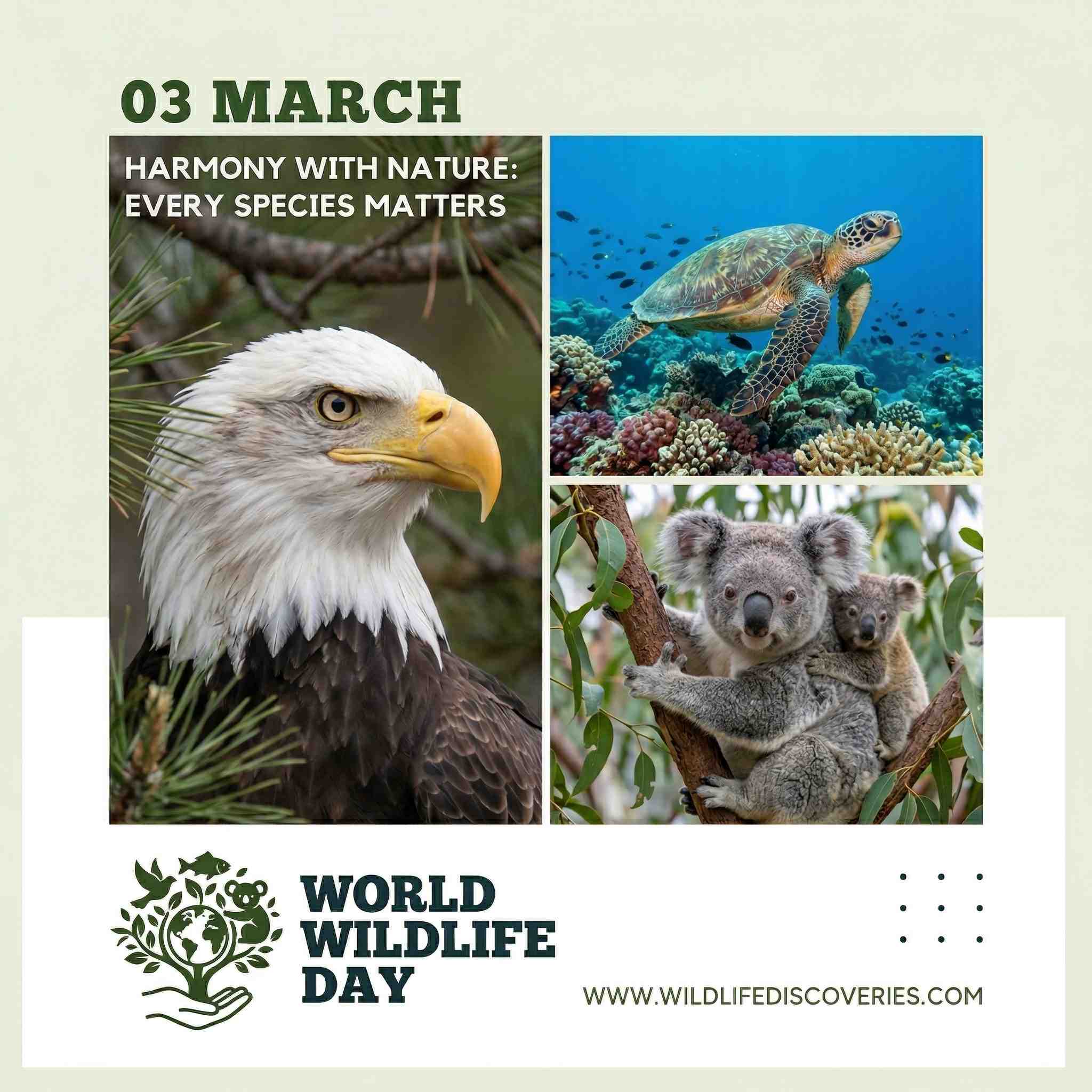
World Wildlife Day is an annual international observance designated by the United Nations General Assembly to celebrate and raise awareness of the world’s wild animals and plants. It was officially proclaimed on December 20, 2013, at the 68th session of the UN General Assembly.
The date, March 3rd, was chosen to commemorate the day of the signature of the Convention on International Trade in Endangered Species of Wild Fauna and Flora (CITES) in 1973. CITES is a landmark international agreement that ensures international trade in specimens of wild animals and plants does not threaten their survival. Today, World Wildlife Day has grown into the world’s most prominent global event dedicated to wildlife.
Key Fact: World Wildlife Day was originally proposed by Thailand to emphasize the intrinsic value of wildlife and its contributions to sustainable development and human well-being.
Why is World Wildlife Day Important?
Many people ask, why World Wildlife Day is important when we have environmental observances year-round? The answer lies in the specific focus on the legal and ethical frameworks governing our relationship with wild species. Understanding the [difference between animal rights and animal welfare] helps us navigate the complexities of modern conservation.
World Wildlife Day is vital because it:
Combats Wildlife Crime: It sheds light on the multi-billion dollar illegal wildlife trade, which fuels organized crime and decimates populations of endangered animals.
Promotes Sustainable Development: Millions of people depend on wildlife and forest resources for their livelihoods, from medicine to food security.
Advocates for Ecosystem Health: By protecting a single flagship species, we often protect entire [different types of ecosystems and characteristics], ensuring clean air and water for all.
Amplifies the Voice of Nature: It provides a platform for scientists and activists to explain [why wildlife conservation is important] to a global audience.
The Current State of Wildlife: A 2026 Overview
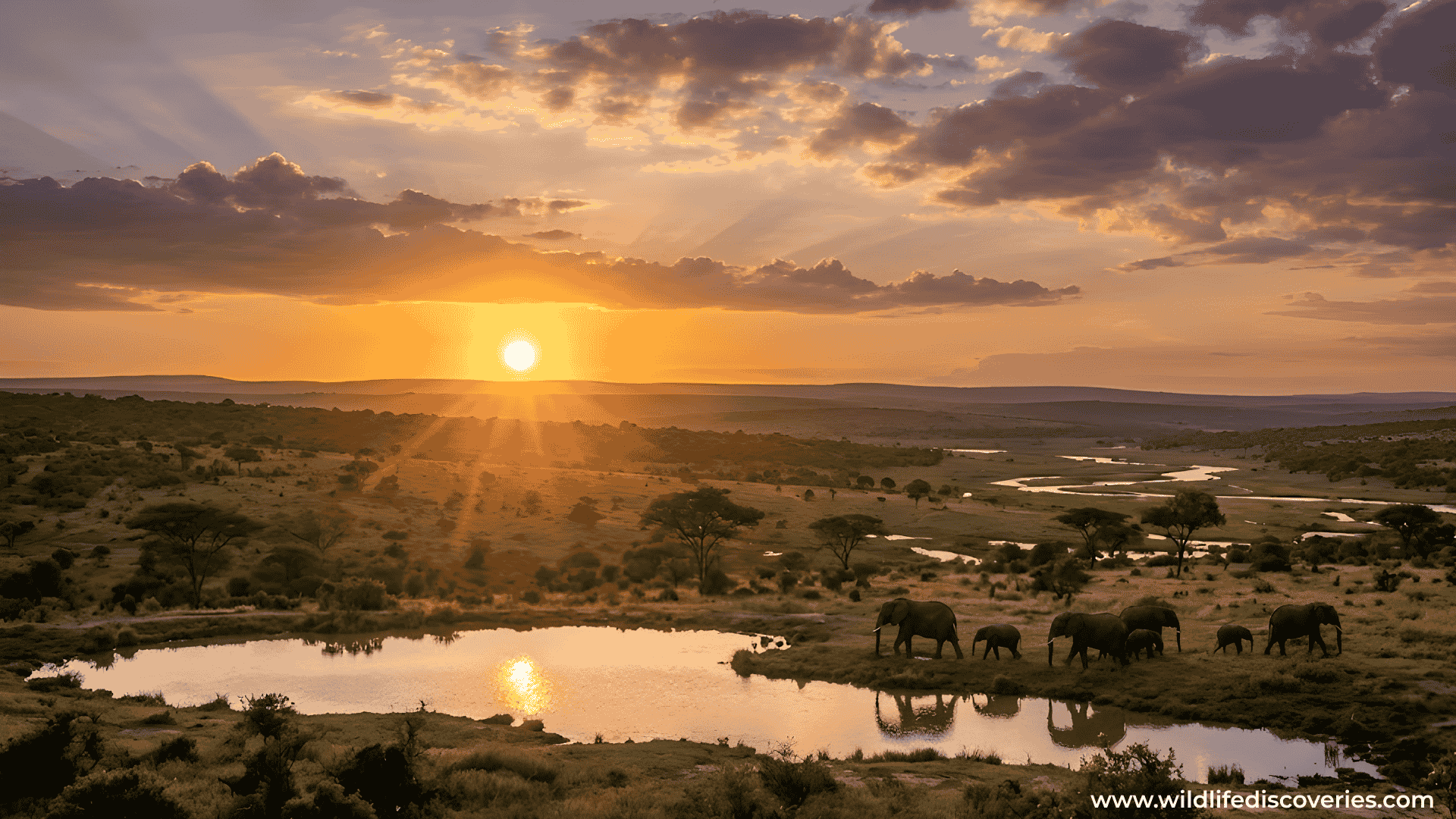
As we navigate 2026, the data from the IUCN Red List and the World Wildlife Fund (WWF) presents a sobering picture. The extinction crisis is no longer a distant threat; it is unfolding in real-time.
Global Biodiversity Statistics 2026
| Taxonomic Group | Total Species Assessed | Number Threatened | Percentage Threatened |
| Mammals | 6,000+ | 1,400+ | ~23% |
| Birds | 11,000+ | 1,500+ | ~13% |
| Amphibians | 7,300+ | 3,000+ | ~41% |
| Reptiles | 10,000+ | 1,900+ | ~19% |
| Conifers (Plants) | 600+ | 200+ | ~33% |
Data source: IUCN Red List 2025/2026 Interim Update
Recent reports indicate that nearly 49% of migratory species are in decline, a significant increase from just two years ago. This trend highlights the interconnectedness of our planet; a threat in one region can lead to [animal extinctions: how many species are extinct?] on a global scale. Scientists estimate that over 1 million species currently face extinction, many within decades.
Major Threats to Wildlife
To understand how can we protect wildlife, we must first identify the primary drivers of their decline. The modern world places unprecedented pressure on the natural world through four main avenues:
1. Climate Change
The climate change impact on wildlife is profound. Rising temperatures shift migration patterns, alter breeding seasons, and destroy sensitive habitats like coral reefs and polar ice caps. For many species, the pace of change is faster than their ability to adapt.
2. Habitat Destruction
Habitat loss remains the #1 threat to biodiversity. As urban areas expand and industrial agriculture replaces forests, wild animals lose the space they need to find food, mates, and shelter. This fragmentation makes populations more vulnerable to disease and inbreeding.
3. Poaching and Illegal Trade
Illegal hunting for trophies, traditional medicine, or the exotic pet trade continues to push species like the Javan Rhino and the Pangolin to the brink. Strengthening [what are the animal welfare acts around the world?] is essential to curb these activities.
4. Pollution
From microplastics in the deepest ocean trenches to chemical runoff in freshwater streams, pollution poisons the very foundation of life. For migratory birds and marine life, plastic ingestion is often a fatal consequence of human waste.
World Wildlife Day Themes (2021–2026)
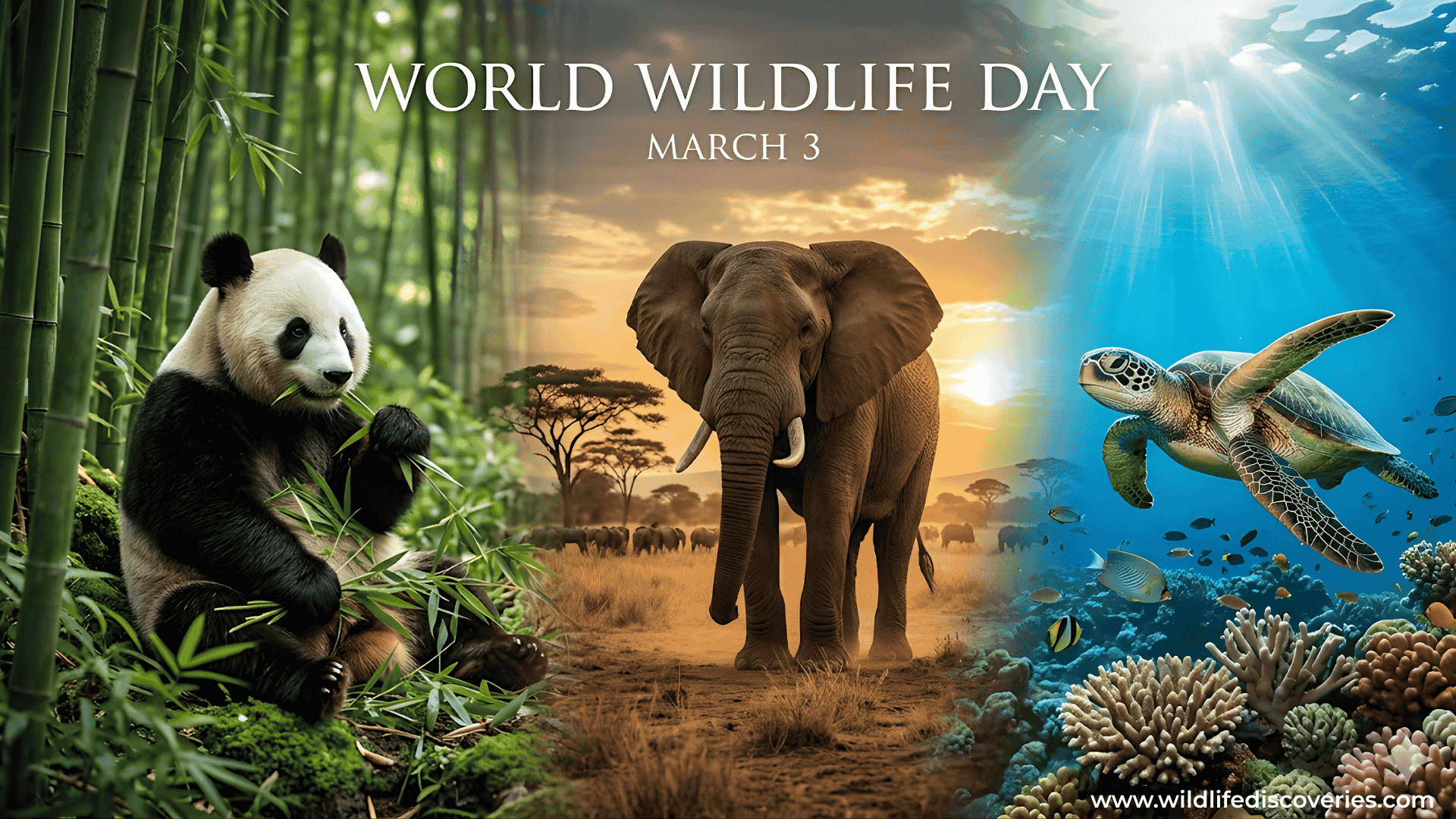
Every year, a specific theme is chosen to focus global attention on a particular aspect of wildlife conservation. These themes are critical for driving policy changes and public awareness.
2021–2026 World Wildlife Day Themes
| Year | Theme | Meaning |
| 2021 | Forests and Livelihoods: Sustaining People and Planet | Highlighted the role of forests in supporting hundreds of millions of people. |
| 2022 | Recovering Key Species for Ecosystem Restoration | Focused on the conservation status of some of the most critically endangered species. |
| 2023 | Partnerships for Wildlife Conservation | Celebrated the 50th anniversary of CITES and the power of collaborative action. |
| 2024 | Connecting People and Planet: Digital Innovation | Explored how technology like AI and satellite tracking aids conservation. |
| 2025 | Wildlife Conservation Finance: Investing in People and Planet | Addressed the massive funding gap needed to halt biodiversity loss. |
| 2026 | Medicinal and Aromatic Plants: Conserving Health, Heritage and Livelihoods | Focuses on the plants that provide 80% of the world’s primary healthcare. |
Analyzing the 2026 Theme
The 2026 theme, “Medicinal and Aromatic Plants,” emphasizes that wildlife isn’t just about animals. Thousands of plant species are essential for medicine, cultural heritage, and local economies. Protecting these plants ensures that we preserve the genetic “library” that may hold the cure for future diseases.
World Wildlife Day 2026 Events and Activities
Every year, global participation is what truly brings the critical message of conservation to life, and the World Wildlife Day 2026 events and activities were absolutely no exception. Centered around the 2026 theme, “Medicinal and Aromatic Plants: Conserving Health, Heritage and Livelihoods,” this year inspired a highly unique series of events focused heavily on the often-overlooked wild flora that directly sustains both human well-being and delicate ecological balance worldwide.
The United Nations proudly hosted a massive Virtual Celebration that was livestreamed globally on March 3rd. This digital summit brought together leading conservation experts, high-level international representatives, indigenous community leaders, and passionate youth activists to share powerful, on-the-ground stories about the sustainable use of medicinal plants. A major, highly anticipated highlight of the 2026 activities was the Jackson Wild WWD2026 Film Showcase. This prestigious event allowed talented filmmakers from around the globe to submit compelling, visually stunning documentaries that expertly highlighted human-wildlife connections and botanical conservation, streaming these vital stories to a massive global audience.
Furthermore, the International Fund for Animal Welfare (IFAW) hosted its celebrated annual Youth Art Contest, drawing thousands of incredible submissions and successfully engaging the next generation in impactful visual storytelling for conservation. Beyond these massive international events, grassroots activities flourished locally. Schools, botanical gardens, and dedicated local NGOs actively hosted interactive, educational workshops on herbal heritage, organized vital native tree-planting drives, and held incredibly successful community-led satellite celebrations. From global livestreams to local school projects exploring the sheer importance of biodiversity, the 2026 activities brilliantly showcased how collective, united action—both large and small—can profoundly impact global conservation efforts.
Importance of Biodiversity and Ecosystems
Biodiversity is the variety of all living things and their interactions. It is the reason why is the Earth called a unique planet?. Without a diverse range of animals, plants, and microorganisms, our ecosystems would collapse.
Healthy ecosystems provide “ecosystem services” that we often take for granted:
Pollination: Bees and birds are responsible for one out of every three bites of food we eat.
Water Purification: Wetlands act as natural filters, removing toxins from our water supply.
Carbon Sequestration: Forests and oceans absorb vast amounts of $CO_2$, helping to mitigate global warming.
Soil Fertility: Microbes and fungi break down organic matter, creating the nutrient-rich soil needed for agriculture.
When we study [what are the classification of animals?], we begin to see how every creature, from the smallest insect to the largest whale, plays a specific role in maintaining this delicate balance.
Global Conservation Efforts: Hope on the Horizon
Despite the challenges, the global community is fighting back. Ecosystem protection is becoming a central pillar of international policy.
The Kunming-Montreal Global Biodiversity Framework: Aiming to protect 30% of the planet’s land and oceans by 2030 (the “30×30” goal).
Success Stories: The recovery of the Saiga antelope in Central Asia and the Mediterranean monk seal proves that when we dedicate resources, nature can rebound.
Local Action: Indigenous communities, who manage roughly 25% of Earth’s land, are increasingly recognized as the most effective guardians of biodiversity.
Understanding [animal rights meaning: what are animal rights?] and supporting [animal welfare organizations around the world] are great ways for individuals to contribute to these larger global movements.
How We Can Protect Wildlife: Actionable Steps
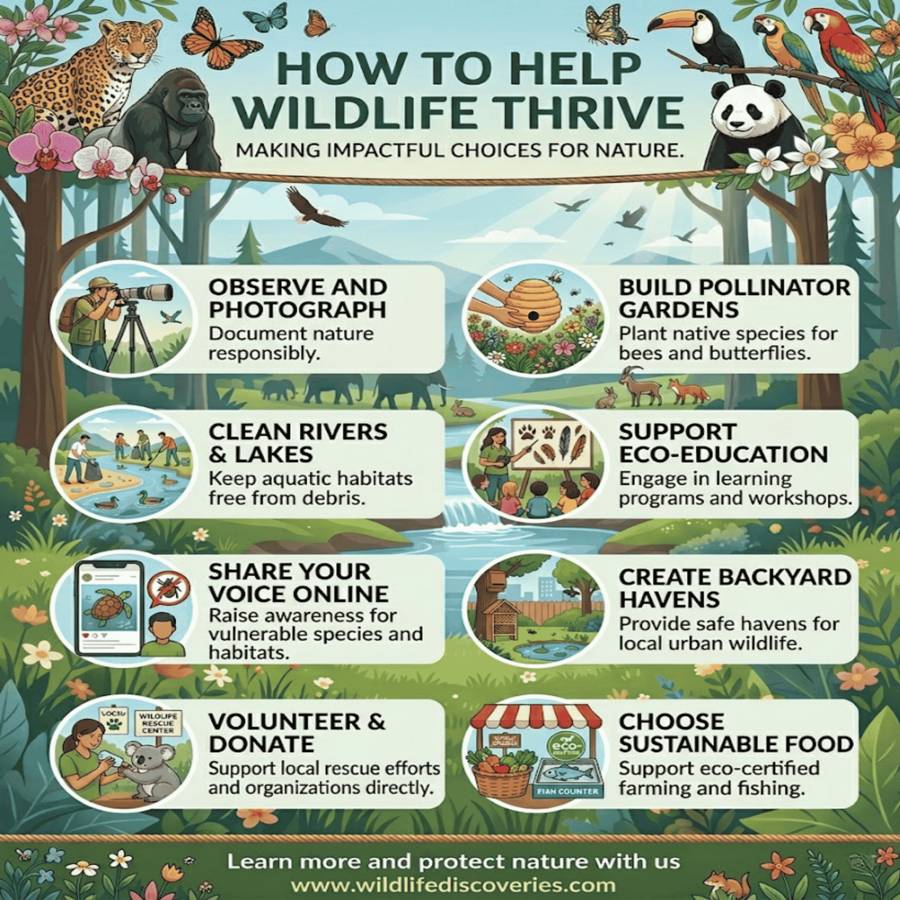
You don’t need to be a scientist to make a difference. If you’ve wondered how to protect endangered animals, here are tangible steps you can take today:
1. Be a Conscious Consumer
Avoid products made from endangered species, such as ivory, tortoise shells, or certain traditional medicines. Check for sustainable labels on timber, paper, and seafood.
2. Support Ethical Tourism
If you visit wildlife parks, ensure they follow [the ethics of animal use and guidelines]. Choose operators that prioritize the animals’ natural behavior and support local conservation.
3. Reduce Your Carbon Footprint
Since climate change is a major driver of extinction, reducing your energy consumption, eating less meat, and using public transport directly helps protect endangered species.
4. Educate and Advocate
Share information about [how can you take care of animals?] with your community. Vote for policies that prioritize environmental protection and habitat restoration.
Did You Know?
The Pangolin is the most trafficked mammal in the world, primarily for its scales used in traditional medicine.
Blue Whales can consume up to 4 tons of krill a day, acting as “ecosystem engineers” that help distribute nutrients throughout the ocean.
Fungi are more closely related to animals than to plants and are essential for forest communication networks.
Key Facts About World Wildlife Day
Official Date: March 3rd.
Proclaimed By: UN General Assembly (UNGA).
Host Organization: CITES Secretariat.
- Primary Goal: To raise awareness of the benefits that wild fauna and flora provide to people.
FAQ: Frequently Asked Questions
1. What is World Wildlife Day?
It is a UN-designated day (March 3) to celebrate the world’s wild plants and animals and to raise awareness about the threats they face.
2. Why is wildlife conservation important?
Wildlife conservation is essential for maintaining the ecological balance of the planet. It ensures the survival of species that provide us with food, medicine, and oxygen.
3. How can we protect endangered animals?
We can protect them by preserving their habitats, supporting anti-poaching laws, reducing our plastic use, and funding conservation organizations.
4. What is the difference between animal rights and animal welfare?
Animal rights focus on the idea that animals have an inherent right to live free from human exploitation. Animal welfare focuses on the well-being of animals, ensuring they are treated humanely and kept in good conditions.
5. What are the biggest threats to wildlife?
The primary threats are habitat loss, climate change, illegal poaching, and pollution (especially plastic and chemical waste).
6. What happens if wildlife disappears?
The loss of wildlife leads to ecosystem collapse. This would result in food shortages, the loss of natural water filtration, and an acceleration of the climate crisis, eventually making Earth uninhabitable for humans.
7. How does climate change affect wildlife?
Climate change destroys habitats (like melting sea ice), alters food availability, and causes extreme weather events that can wipe out entire populations of sensitive species.
Conclusion: A Call to Action
World Wildlife Day is more than a date on a calendar; it is a call to conscience. As we reflect on the theme of World Wildlife Day 2026, we must realize that our health and heritage are inextricably linked to the health of the natural world.
Whether it is learning [what can we do to protect endangered animals?] or simply appreciating the beauty of a local park, every action counts. We are the last generation that can prevent a mass extinction. Let us choose to be the generation that saved the wild.
What will you do this World Wildlife Day to make a difference?