
International Tiger Day is observed every year on 29 July to promote tiger conservation, protect natural habitats and encourage cooperation among governments, conservation groups and communities. It is not merely a celebration of an iconic animal; it reminds the world that tigers need healthy forests, connected corridors, effective protection and support from people living near tiger landscapes.
Tigers are apex predators that help maintain balance in forests, grasslands and mangroves. Their landscapes also support biodiversity, carbon storage and freshwater systems. Therefore, International Tiger Day carries a wider message: saving tigers also protects ecosystems and human well-being. WWF notes that securing tiger landscapes could help protect major watersheds supplying freshwater to hundreds of millions of people across Asia.
History and Origin of International Tiger Day
To understand why this observance matters so much today, it helps to look back at how it began.
The 2010 Saint Petersburg Tiger Summit
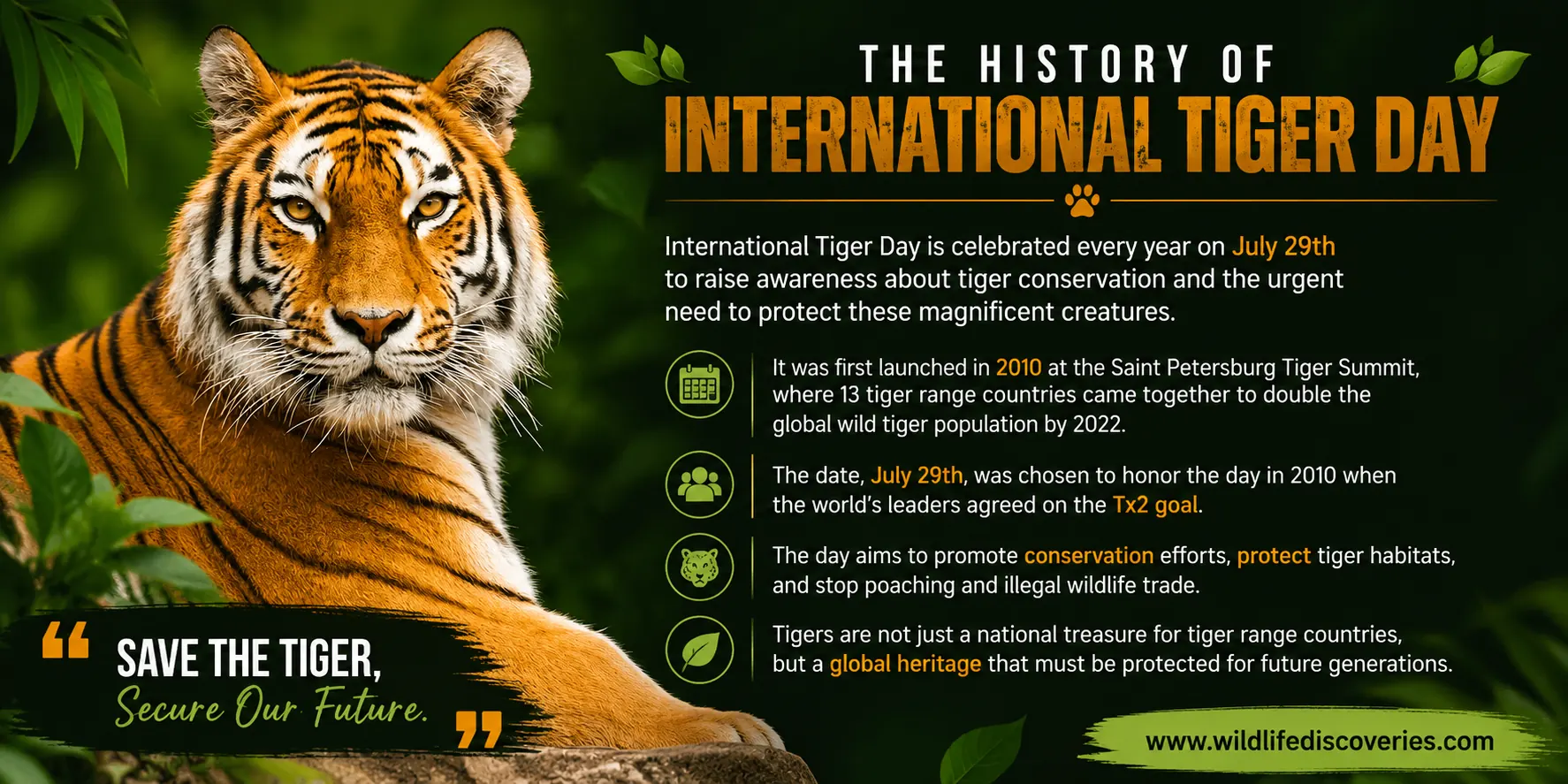
International Tiger Day traces its roots to the 2010 Saint Petersburg Tiger Summit held in Russia. At the time, wild tiger numbers had fallen to a historic low of around 3,200, down from an estimated 100,000 a century earlier. Alarmed by this steep decline, leaders from 13 tiger-range countries, including India, Russia, Nepal, Bangladesh, Bhutan, and Indonesia came together and made a landmark commitment.
The TX2 Goal
At the summit, these nations launched the ambitious “TX2” initiative, pledging to double the number of wild tigers by 2022 (the next Chinese Year of the Tiger). This became the foundation of International Tiger Day, which was established that same year to keep global attention focused on this goal year after year.
How the Observance Has Evolved?
Since 2010, International Tiger Day has grown far beyond government pledges. It’s now marked by:
- School programs, essay competitions, and poster-making activities for students
- Fundraising campaigns by organizations like WWF and Panthera
- Social media awareness drives using hashtags like #InternationalTigerDay
- Zoo and wildlife park events, educational talks, and community festivals
Current State of Wild Tiger Populations
So, has the TX2 goal made a difference? The numbers tell an encouraging, though still fragile, story.
| Year | Estimated Wild Tiger Population |
|---|---|
| ~1900s | Nearly 100,000 |
| 2010 | Around 3,200 |
| 2022 | Approximately 4,500 |
While the overall global population has grown, tigers remain classified as endangered animals, and this progress is not evenly spread across all 13 tiger-range countries.
Major Threats Tigers Still Face
Habitat Loss and Fragmentation
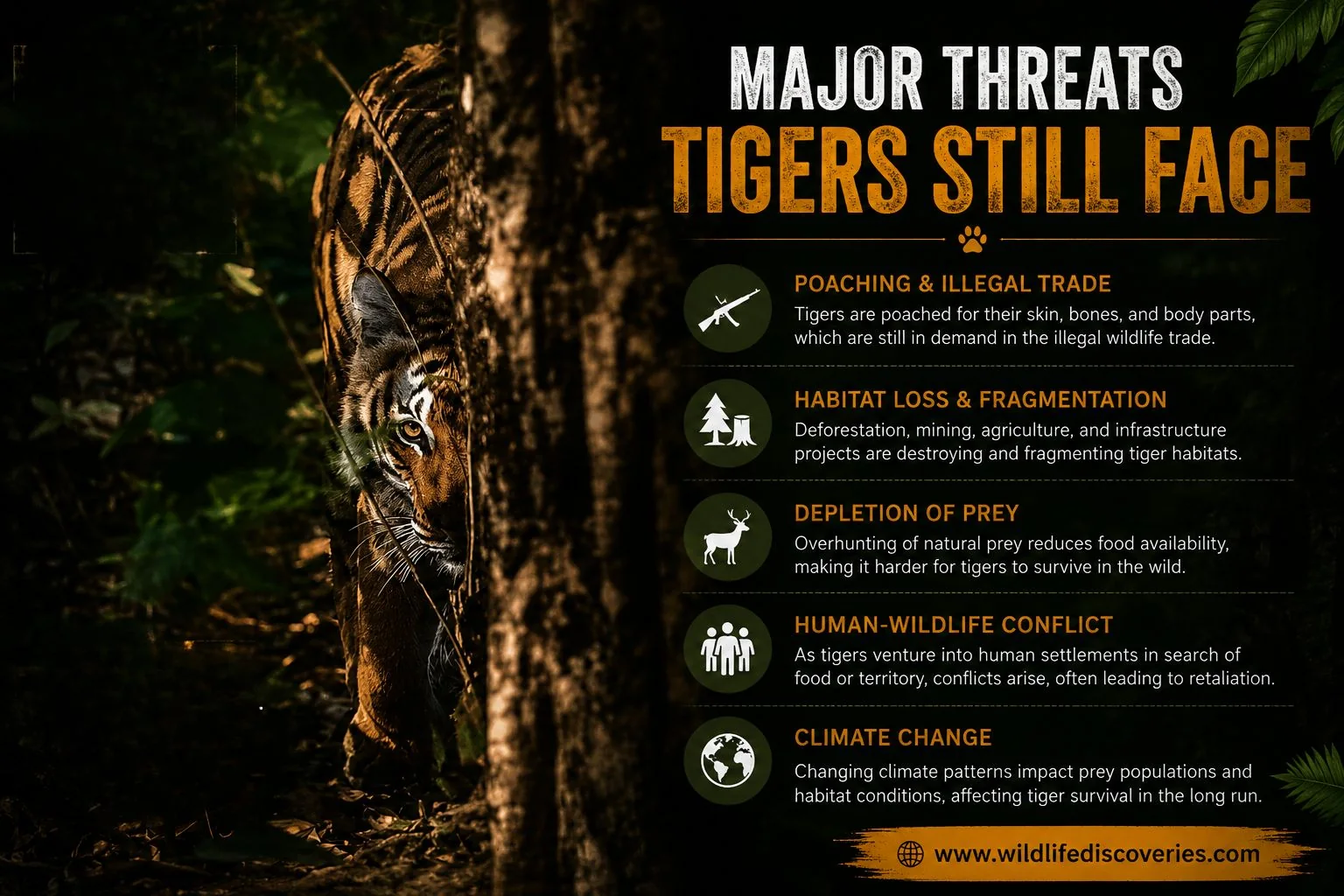
Roads, railways, mining, settlements, agriculture and poorly planned infrastructure divide large habitats into smaller patches. Tigers require extensive territories and safe corridors to find prey, establish new territories, reproduce and maintain genetic diversity.
When corridors are blocked, individual tiger populations become isolated. Small and isolated populations are more vulnerable to disease, inbreeding, conflict and local extinction.
Poaching and Illegal Wildlife Trade
Tigers are illegally killed for their skins, bones, teeth, claws and other body parts. Poaching of deer, wild pigs and other prey species also reduces the food available to tigers.
The Wildlife Protection Society of India maintains extensive wildlife-crime records and assists investigations involving poachers, traders, criminal networks and smuggling routes. Its database contains thousands of cases involving hundreds of wildlife species.
Human–Tiger Conflict
Tigers may enter livestock areas or move close to villages when forests shrink, natural prey declines or wildlife corridors become obstructed. Attacks on livestock or people can create fear, financial loss and retaliatory killing.
Rapid-response teams, fair and timely compensation, livestock protection, early-warning systems and respectful communication with affected communities can reduce conflict. Local residents must be treated as conservation partners rather than as obstacles.
Climate Change
Climate impacts differ across tiger habitats. In the Sundarbans, sea-level rise, cyclones, erosion, tidal surges and changing rainfall patterns can damage mangrove forests and increase pressure on wildlife and human communities.
After Cyclone Amphan, large sections of tiger fencing were damaged, increasing the possibility of encounters between people and tigers. The incident demonstrated how extreme weather can weaken habitats, livelihoods and existing coexistence measures at the same time.
Conservation Efforts and Success Stories
The good news is that dedicated conservation work is making a real difference, and this annual occasion plays a key role in shining a light on these efforts.
Community-Led Conservation
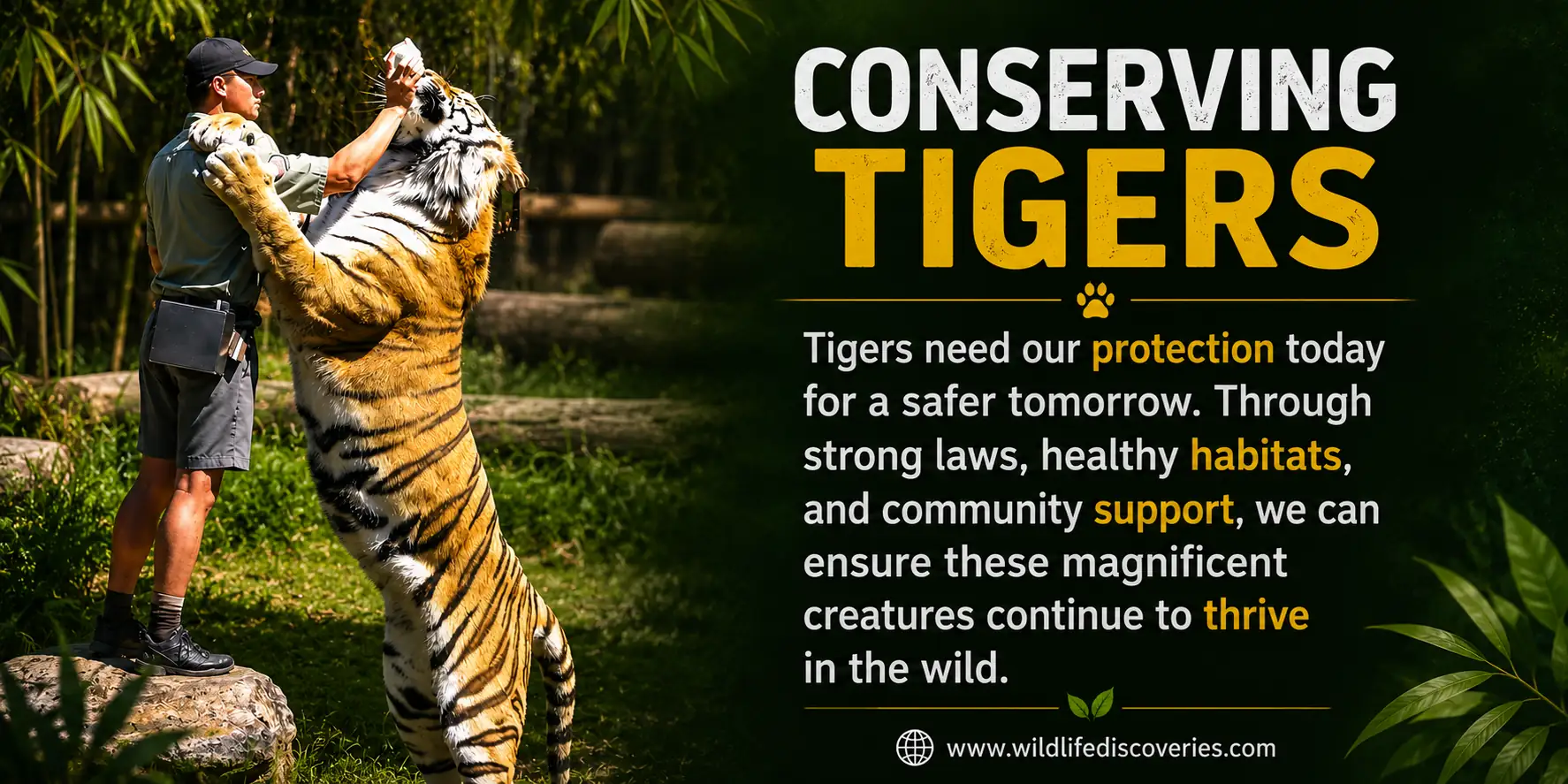
Recent international campaigns have placed strong emphasis on involving Indigenous Peoples and Local Communities (IPLCs) in tiger conservation, recognizing that those who live closest to tiger habitats are often best placed to protect them. Programs like IUCN’s Integrated Tiger Habitat Conservation Programme have restored over 10,500 hectares of habitat and benefited more than 95,000 people across tiger-range countries.
Notable Case Studies
- Manas National Park, Assam: A remarkable recovery story built on anti-poaching patrols, cross-border cooperation with Bhutan, and NGO support.
- Sundarbans Tiger Project, Bangladesh: Focused on protecting one of the world’s largest populations of Royal Bengal tigers through habitat monitoring and public awareness.
Key Organizations Driving Change
- WWF (World Wildlife Fund): Runs habitat restoration and community-support programs, including installing water sources in drought-prone tiger landscapes.
- IUCN: Supports rights-based, community-centered conservation programs across Asia.
- Global Tiger Forum: Coordinates international policy and awareness efforts, including the official theme for International Tiger Day each year.
- Wildlife Protection Society of India (WPSI): Works on the ground to combat poaching and illegal trade through legal training and undercover investigations.
Together, these efforts show that when governments, communities, and organizations align their goals, tiger populations can genuinely recover a message this observance works hard to reinforce every year.
How You Can Take Action?
You don’t need to be a wildlife expert to support International Tiger Day. Here are a few simple, meaningful ways to get involved this July 29:
- Adopt a tiger: Organizations like WWF let you symbolically adopt a tiger, with proceeds funding real conservation work.
- Support anti-poaching campaigns: Donate to organizations actively working on the ground to stop illegal poaching and trade.
- Avoid products linked to endangered species: Be mindful of where products come from, especially those claiming to use “traditional” animal-based ingredients.
- Spread awareness: Share facts, infographics, and stories about tigers on social media using hashtags associated with International Tiger Day.
- Get involved locally: Attend events at zoos, wildlife parks, or schools, or organize your own awareness activity in your community.
Every action, no matter how small, adds up when it comes to protecting a species as vital as the tiger.
Conclusion
International Tiger Day shows that tiger recovery is possible, but it is not guaranteed. Progress in some countries is encouraging, yet habitat loss, illegal wildlife trade, climate risks and conflict continue to threaten the species. Real protection requires governments, scientists, conservation organisations and local communities to work together throughout the year.
Key Takeaways
- International Tiger Day is observed every year on July 29, commemorating the 2010 Saint Petersburg Tiger Summit.
- The day originated from the TX2 goal, an international pledge to double wild tiger numbers by 2022.
- Global wild tiger numbers have risen from around 3,200 in 2010 to approximately 4,500 today, though tigers remain endangered.
- India’s Project Tiger is one of the most successful conservation initiatives, home to over 70% of the world’s wild tigers.
- Habitat loss, poaching, human-wildlife conflict, and climate change remain the biggest threats to tiger survival.
- Community-led conservation, backed by organizations like WWF, IUCN, and the Global Tiger Forum, is proving effective in restoring tiger populations.
- Everyone can contribute to International Tiger Day’s mission through small, consistent actions like awareness-sharing and responsible consumer choices.
Frequently Asked Questions (FAQs)?
1. When is International Tiger Day 2026?
International Tiger Day 2026 will be observed on Wednesday, 29 July 2026. The date remains the same every year.
2. What is the official theme of International Tiger Day 2026?
As of 16 July 2026, a clearly verified official theme had not been published by major conservation authorities. Unofficial slogans should not be presented as confirmed themes.
3. How many tigers are left in the wild?
The estimate depends on the source and survey method. IUCN reported a range of 3,726 to 5,578, while WWF cites approximately 5,574. Some major reports use the rounded figure of around 4,500.
4. Why is India important for global tiger conservation?
India’s 2022 national assessment estimated 3,682 tigers. Its reserves, monitoring systems, wildlife corridors, Project Tiger programme and enforcement measures therefore influence the future of a major share of the world’s wild tiger population.
5. How can students celebrate International Tiger Day?
Students can organise verified quizzes, debates, poster competitions, awareness assemblies, wildlife-documentary discussions and fundraising activities for credible conservation projects. Activities should promote accurate information and responsible behaviour.





Informative please post more about tigers i really love reading and knowing about them