When we talk about how to take care of animals, most people immediately think of dogs, cats, or birds at home. But animal care goes far beyond our living rooms. Wild animals tigers, elephants, wolves, dolphins, and thousands of other species are deeply dependent on human decisions, human land use, and human compassion for their very survival. Whether you are a pet owner, a wildlife enthusiast, a conservationist, or simply someone who loves animals, understanding how to care for both domestic and wild animals is one of the most meaningful things you can do today.
Animals, wild or tame, share the same fundamental needs: food, shelter, safety, and the freedom to live naturally. The Animals Welfare Act exists precisely because these needs are often ignored or violated it provides a legal foundation that protects animals from cruelty and neglect across both domestic and wild settings.
Understanding Your Animal’s Basic Needs
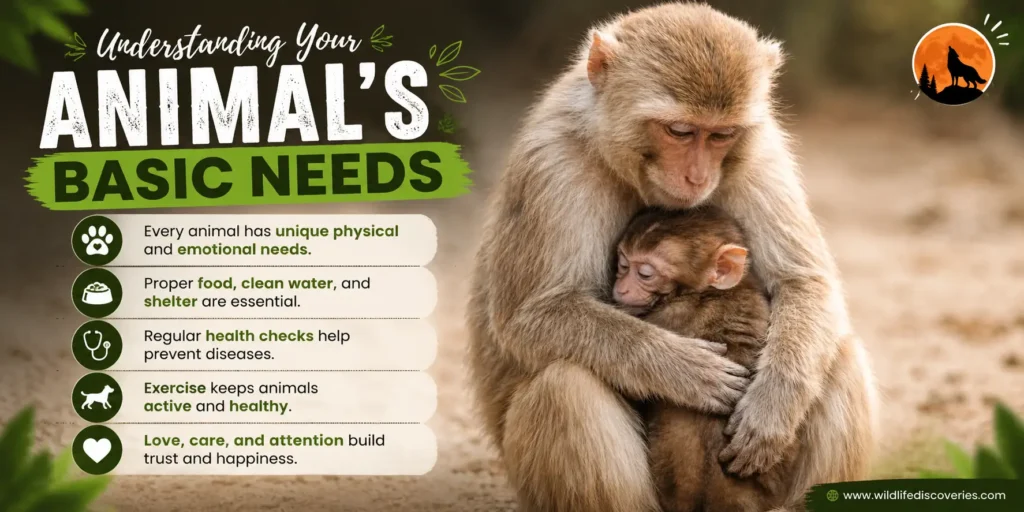
Every animal whether it lives in your home or the heart of a rainforest has specific nutritional and hydration needs shaped by millions of years of evolution. Knowing how to take care of animals starts with respecting those needs rather than imposing human convenience on them.
For domestic animals, this means feeding species-appropriate diets on a consistent schedule. For wild animals in rescue centres, zoos, or sanctuaries, it means replicating their natural diet as closely as possible to ensure health and, wherever possible, successful return to the wild.
Food & Water Requirements
| Animal | Type | Diet | Daily Water Need |
|---|---|---|---|
| Dog | Domestic | Omnivore — meat, grains, vegetables | 30–50 ml per kg body weight |
| Cat | Domestic | Obligate carnivore — high protein meat | 60–80 ml per day |
| Tiger | Wild | Carnivore — deer, wild boar, buffalo | 10–15 litres per day |
| Elephant | Wild | Herbivore — grasses, bark, fruit | 150–200 litres per day |
| Rabbit | Domestic | Herbivore — hay, leafy greens | 50–100 ml per kg body weight |
| Dolphin | Wild | Carnivore — fish, squid | Absorbed through food intake |
Wild animals in captivity or rehabilitation must never be fed processed human food. Doing so disrupts their natural instincts and makes successful release into the wild nearly impossible.
Shelter and Space
Domestic animals need safe, clean, and comfortable living spaces warm beds for dogs, elevated perches for cats, appropriately sized cages for birds. But the concept of shelter for wild animals is about something much bigger: their natural habitat. Forests, wetlands, savannahs, and oceans are the “shelters” of wild animals. When humans destroy these habitats through deforestation, mining, or urbanisation, wild animals lose their homes entirely.
Supporting habitat conservation efforts, reducing your paper and palm oil consumption, and advocating for protected natural reserves are all genuine ways of providing “shelter” for wild animals.
Sleep & Rest Patterns
Rest is biological. Domestic cats sleep 12–16 hours a day, dogs sleep 10–14 hours, and many wild animals have rest cycles tied to seasons, temperature, and predator activity. Disturbing rest patterns through noise pollution, artificial lighting, or habitat encroachment has measurable negative effects on wild animal health, reproduction, and survival.
Feeding Your Animal the Right Way
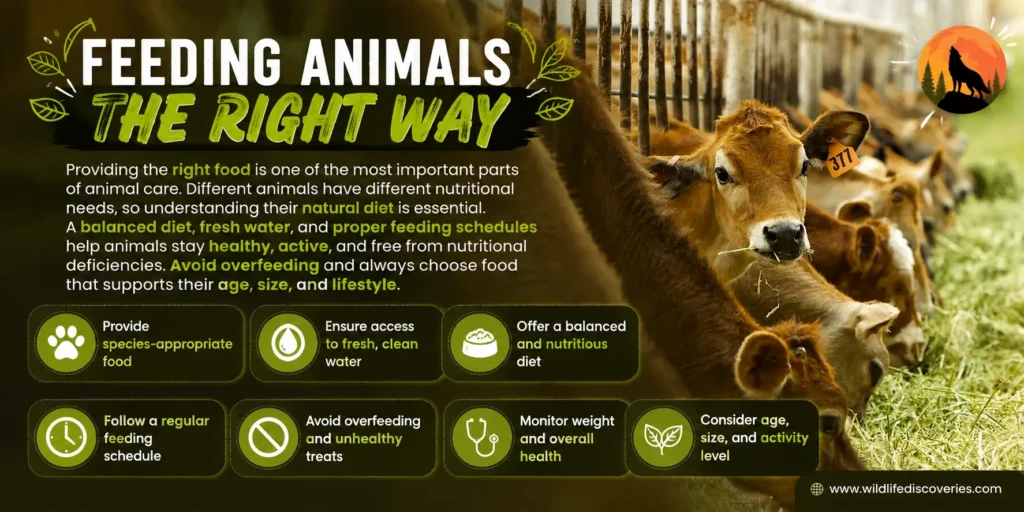
Feeding is one of the most critical parts of knowing how to take care of animals and one of the most misunderstood, especially when it comes to wildlife.
Choosing the Right Diet
For domestic animals, always consult a veterinarian before changing a diet plan. For wild animals in sanctuaries or rescue centres, wildlife nutritionists design feeding plans that closely mirror what the animal would eat in nature.
Domestic Animals:
- Choose age-appropriate food (puppy/kitten vs. adult vs. senior)
- Cats are obligate carnivores — plant-based diets can be fatal for them
- Herbivores like rabbits and guinea pigs need high-fibre, hay-based diets
- Avoid artificial preservatives, corn syrup, and low-quality fillers
- Rotate protein sources occasionally to prevent nutritional gaps
Wild Animals in Captivity or Rescue:
- Never feed wild animals human food — it creates dependency and illness
- Injured wild animals must be assessed by a wildlife vet before any feeding
- Diet must match the animal’s natural prey or plant intake precisely
- Overfeeding captive wild animals causes obesity and behavioural issues
- Animals being rehabilitated for release should be fed in ways that preserve their hunting or foraging instincts
Feeding Schedule & Portion Size
| Animal | Portion Per Meal | Meals Per Day | Notes |
|---|---|---|---|
| Small Dog (under 10 kg) | ½ to 1 cup | 2 | Measured dry/wet food |
| Large Dog (over 25 kg) | 2.5 to 3 cups | 2 | Adjust for activity level |
| Cat | ¼ to ½ cup | 2–3 | High protein always |
| Rabbit | 1 cup leafy greens + unlimited hay | 2 | No sugary treats |
| Lion (sanctuary) | 5–7 kg of meat | 1 (with fasting days) | Mirrors natural feeding gaps |
| Elephant (sanctuary) | 150–180 kg of vegetation | Throughout the day | Constant slow grazing |
Foods to Avoid
Domestic Animals:
- Chocolate and caffeine — toxic to dogs and cats
- Grapes and raisins — cause kidney failure in dogs
- Onion and garlic — harmful to both dogs and cats
- Avocado — toxic to birds, rabbits, and dogs
- Xylitol — extremely dangerous for dogs
- Alcohol and raw dough — highly toxic across species
Wild Animals:
- Never hand-feed wild animals in nature — it breaks their fear of humans and puts them in danger
- Feeding wild birds bread causes serious nutritional deficiencies
- Leaving food waste near wildlife corridors attracts animals to roads, leading to fatal collisions
- Dairy products and cooked meat are harmful to most wild mammals
Health & Veterinary Care
Knowing how to take care of animals means making their health a non-negotiable priority whether it is a household pet or a wild animal in a rescue facility.
Routine Check-ups & Vaccinations
For domestic animals, annual or bi-annual vet visits catch problems before they become serious. For wild animals in sanctuaries or zoos, dedicated wildlife veterinarians conduct regular health assessments, parasite screenings, and disease monitoring.
| Animal | Health Check Frequency | Key Vaccinations / Treatments |
|---|---|---|
| Dog | Annually | Rabies, Distemper, Parvovirus |
| Cat | Annually | Feline Leukemia, Rabies, Calicivirus |
| Rabbit | Annually | RHDV2, Myxomatosis |
| Tiger (sanctuary) | Bi-annually | Feline Distemper, Rabies, Parasite control |
| Elephant (sanctuary) | Quarterly | Tuberculosis screening, foot care, herpes monitoring |
| Birds of Prey (rescue) | Bi-annually | Aspergillosis screening, parasite checks |
Common Signs of Illness
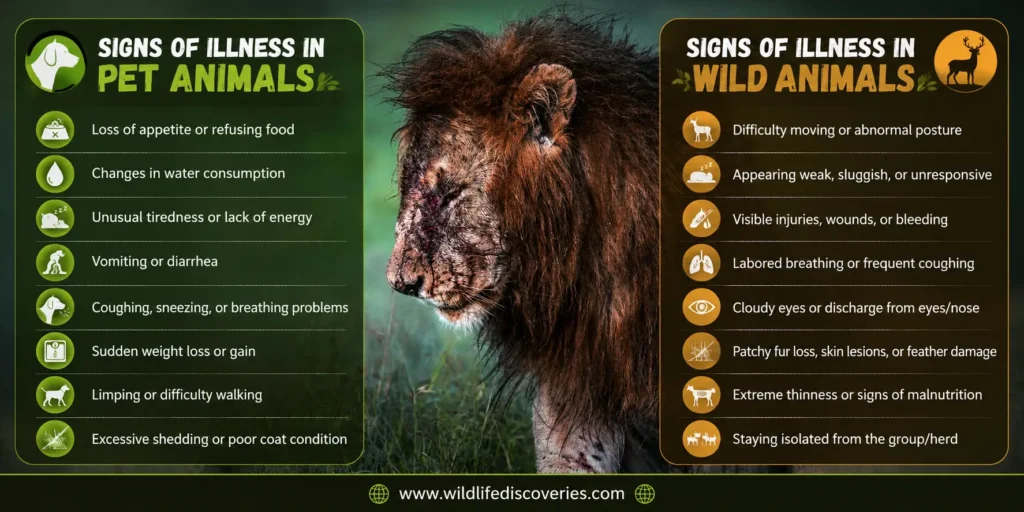
Domestic Animals:
- Loss of appetite lasting more than 24 hours
- Unusual lethargy or excessive sleeping
- Vomiting, diarrhoea, or blood in stool or urine
- Difficulty breathing or persistent coughing
- Swollen limbs, open wounds, or skin rashes
- Sudden changes in behaviour or unexplained aggression
Wild Animals:
- Abnormal daytime activity in nocturnal animals (e.g. owls or foxes active in daylight)
- Disorientation, circling, or inability to fly/run
- Visible wounds, drooping wings, or limping
- Discharge from eyes, nose, or mouth
- Animals that allow humans to approach without fleeing a key warning sign
If you encounter an injured or sick wild animal, do not attempt to treat it yourself. Contact your nearest wildlife rescue organisation immediately. Animal Welfare Organizations operate nationally and internationally to provide emergency rescue, rehabilitation, and veterinary care for wild animals knowing your local contacts can save a life.
First Aid for Animals
For domestic animals, keep a first aid kit with bandages, antiseptic wipes, tweezers for tick removal, a digital thermometer, and your vet’s emergency number. Never give human medication to animals without veterinary approval.
For wild animals, first aid in the field means minimising human contact, keeping the animal in a dark, quiet container to reduce stress, and getting it to a wildlife vet as fast as possible. Attempting to nurse a wild animal at home without expertise causes more harm than good in most cases.
Hygiene & Grooming
Hygiene care for domestic animals is a hands-on routine. For wild animals, hygiene is largely maintained through their natural behaviours and our role is to ensure their environment allows those behaviours to continue.
Bathing & Cleaning Routines
| Animal | Type | Cleaning Approach | Frequency |
|---|---|---|---|
| Dog | Domestic | Full bath with pet shampoo | Every 4–6 weeks |
| Cat | Domestic | Self-grooming; spot clean only | Rarely needed |
| Rabbit | Domestic | Spot clean with damp cloth only | Never fully bathed |
| Elephant | Sanctuary | Mud baths + water spraying | Daily — vital for skin health |
| Big Cats | Sanctuary | Self-grooming; enclosure cleaned | Enclosure daily |
| Rescued Birds | Wildlife | Gentle warm water rinse if oiled | As medically needed |
Mud baths are not just a quirk of elephants they are a critical hygiene and health mechanism that protects against insects, regulates body temperature, and conditions the skin. When caring for elephants in sanctuaries, providing access to mud and water is not optional it is essential.
Nail, Fur & Coat Care
- Trim domestic pet nails every 3–4 weeks to prevent overgrowth and joint pain
- Brush long-haired domestic animals daily to prevent painful matting
- In wildlife sanctuaries, overgrown nails or hooves in captive animals must be managed by vets
- Check domestic pets regularly for ticks and fleas, especially after outdoor time
- Wild animals that cannot groom themselves due to injury need professional wildlife care
Dental & Ear Hygiene
Dental disease affects over 80% of domestic pets by age three. Brush your pet’s teeth 2–3 times a week using pet-safe toothpaste. For wild animals in long-term captivity, dental health is monitored by wildlife vets, as dental disease can be fatal in large predators.
Exercise & Mental Stimulation
One of the most overlooked aspects of knowing how to take care of animals — especially wild ones — is recognising that physical activity and mental engagement are not luxuries. They are survival requirements.
Daily Physical Activity
| Animal | Type | Minimum Daily Activity |
|---|---|---|
| Large Dog | Domestic | 60–90 minutes of walking/running |
| Small Dog | Domestic | 30–45 minutes of walking/play |
| Cat | Domestic | 20–30 minutes of interactive play |
| Tiger | Wild/Sanctuary | Several km of roaming — large enclosures mandatory |
| Elephant | Wild/Sanctuary | 10–20 km of walking daily in the wild |
| Dolphin | Wild/Marine | 40–100 km of swimming daily in the wild |
A wild animal confined to a small enclosure without physical space for natural movement develops severe psychological and physical disorders a condition called zoochosis, which causes repetitive, distressed behaviours like pacing, swaying, and self-harm. This is why ethical sanctuaries prioritise large, natural enclosures over entertainment-focused facilities.
Socializing with Other Animals
Socialisation for domestic pets should begin early puppies benefit most between 3–14 weeks. Always introduce new animals slowly in neutral spaces with supervision.
For wild animals, forced socialisation between species or individuals is unnatural and dangerous. In the wild, social structures are complex and self-regulating. Our responsibility is to protect those structures not disrupt them.
Many of the world’s most socially complex animals are under serious threat. The Endangered Animals of Rainforest include species like jaguars, poison dart frogs, harpy eagles, and orangutans animals that depend on intact, undisturbed ecosystems to survive and socialise naturally. Deforestation is not just destroying trees; it is dismantling entire social worlds.
To understand just how much damage has already been done, the data in Animal Extinctions: How Many Species Are Extinct? is a sobering but necessary read. Every species lost takes with it an irreplaceable thread from the web of life.
Building a Bond with Your Animal
The final dimension of knowing how to take care of animals whether domestic or wild is understanding the nature of the relationship between humans and animals, and approaching it with the respect it deserves.
Earning Trust & Affection
With domestic animals, trust is built through consistency, gentle handling, calm voices, and patience. Sudden loud noises, rough handling, or unpredictable routines destroy trust quickly and can cause lasting anxiety.
With wild animals, the most profound expression of trust is giving them space. A wild animal that does not fear you is not bonded to you it is a warning sign that something has gone wrong. Respecting their wildness is the deepest form of care we can offer.
Training & Positive Reinforcement
Domestic Animals:
- Reward desired behaviour immediately with treats or genuine praise
- Never use punishment, yelling, or physical force
- Keep sessions short (5–10 minutes) and consistent
- Use a calm, firm voice — animals respond more to tone than words
- Be patient; every animal learns differently and at its own pace
Wild Animals in Rehabilitation:
- Training is used only for medical cooperation not performance
- Animals are conditioned to accept health checks, not to entertain
- Any training that reduces natural fear of humans jeopardises their release
- Positive reinforcement through food rewards is used strictly within ethical boundaries
Understanding Animal Behavior
Animals communicate through body language, vocalisation, scent, and movement. A wagging tail, flattened ears, raised hackles, or dilated pupils all carry meaning. Learning your domestic animal’s specific cues deepens your relationship and improves their wellbeing significantly.
In the wild, animal behaviour is even more nuanced migration patterns, mating rituals, territorial markings, and alarm calls are all forms of sophisticated communication that humans are only beginning to understand. Supporting research into wild animal behaviour is one of the most impactful ways to improve how we care for and protect them.
The global effort to protect wild animals requires all of us to engage. Understanding What Can We Do to Protect Endangered Animals? gives practical, actionable steps for everyday people to make a real difference. The Endangered Species Guide 2026 is an essential resource to understand which animals are most critically in need of protection right now, and why.
Ultimately, caring for wild animals is inseparable from conserving the ecosystems they live in. The choices we make every day what we eat, what we buy, how we travel, and how we vote all affect wild animals around the world. A world that knows how to take care of animals is a world that protects both the dog sleeping by your feet and the snow leopard roaming the Himalayas.
Key Takeaways
- How to take care of animals applies equally to domestic pets and wild species both depend on human awareness and action.
- Every animal’s needs are shaped by its species, biology, and natural environment never impose human convenience on animal care.
- Domestic animals need regular vet care, proper nutrition, grooming, exercise, and emotional bonding.
- Wild animals need habitat protection, freedom from human interference, and professional rescue and rehabilitation when injured.
- Never feed, touch, or attempt to tame wild animals encountered in nature.
- Support wildlife rescue organisations, conservation laws, and habitat protection efforts these are the backbone of wild animal care.
- The extinction crisis is real and accelerating our decisions today will determine which species survive tomorrow.
Frequently Asked Questions (FAQs)
Q1. What should I do if I find an injured wild animal?
Do not pick it up with bare hands or attempt to treat it yourself. Contain it gently in a ventilated box lined with a cloth, keep it in a warm, dark, and quiet space to reduce stress, and immediately contact your nearest licensed wildlife rescue or rehabilitation centre. Acting quickly while minimising human contact gives the animal the best chance of survival and successful release.
Q2. Can wild animals ever be kept as pets legally and safely?
In most countries, keeping wild animals as pets is illegal and deeply harmful to the animal. Wild animals have complex behavioural, dietary, and social needs that cannot be met in a domestic environment. They suffer severe psychological distress in captivity outside of professional sanctuaries. Even when legal in some jurisdictions, it is ethically indefensible for most species.
Q3. How does habitat destruction affect our ability to take care of wild animals?
Habitat destruction is the single greatest threat to wildlife globally. When forests are cleared, wetlands drained, or oceans polluted, wild animals lose their food sources, shelter, migration routes, and breeding grounds. No amount of veterinary care or conservation effort can compensate for the loss of natural habitat. Protecting ecosystems is the most effective form of animal care at a global scale.
Q4. How often should domestic pets have vet check-ups even when they appear healthy?
At least once a year for adult animals and twice a year for seniors over 7 years of age. Many serious conditions kidney disease, diabetes, dental decay, heart issues show no visible symptoms until they are advanced. Early detection through routine check-ups consistently improves outcomes and reduces long-term costs significantly.
Q5. What is the difference between a wildlife sanctuary and a zoo, in terms of animal care?
Ethical wildlife sanctuaries prioritise the welfare of individual animals providing large, naturalistic enclosures, professional veterinary care, behavioural enrichment, and rehabilitation toward wild release where possible. Zoos historically prioritised public display, though many modern zoos have shifted toward conservation and education. The key distinction is whether the animal’s needs or the visitor’s entertainment takes priority in every decision made about the animal’s life.